
14 Common Types of Motorcycle Accidents
Recent Blog Posts

14 Common Types of Motorcycle Accidents
Motorcycle accidents happen in many different ways, and understanding the most common types can help you recognize danger on the road.
Key Takeaways
- Motorcycle accidents often happen because other drivers don’t see you or fail to follow traffic laws.
- Certain types of crashes, like left-turn and intersection accidents, are especially dangerous for motorcyclists.
- Because motorcycles offer little protection to the rider, even minor crashes can cause serious injuries.
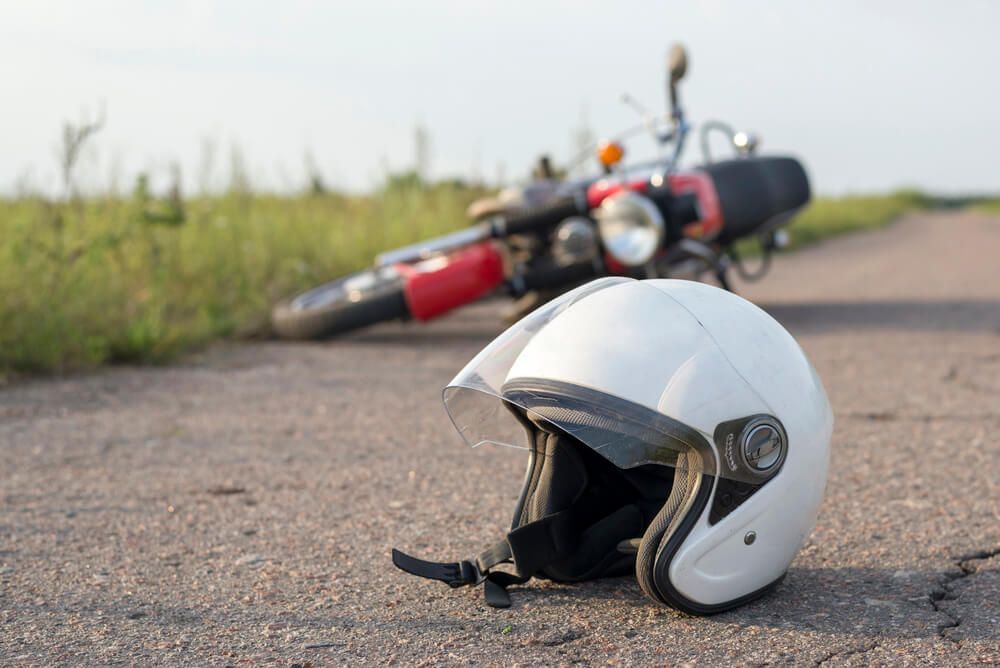
When you pull your motorcycle onto the road, you feel a sense of freedom that drivers in cars just don't understand. But as a rider, you also know that your safety depends on everyone else paying attention. Unfortunately, many drivers fail to look for smaller vehicles, and a single mistake can change your life in a split second.
Because motorcycles don't have the metal shell of a car to protect you, every crash is serious. Whether the crash is due to a distracted driver or a poorly maintained road, understanding the different types of motorcycle accidents is the first step in recognizing danger before it hits.
What Are the Most Common Types of Motorcycle Accidents?
Below are 14 of the most common ways motorcycle accidents happen and how they impact motorcyclists.
1. Left-Turn Motorcycle Accidents
Left-turn crashes are one of the most common types of motorcycle accidents you can experience. They happen when a driver turns left in front of you while you’re riding straight through an intersection or past a driveway.
Drivers often say they didn’t see you or believed they had enough time to turn. Because your motorcycle is smaller than a car, other drivers may struggle to judge your distance or speed. When a driver rushes a left turn or fails to look carefully, they put you directly in harm’s way.
These crashes are usually violent and happen without warning. You may be hit head-on or thrown from your bike on impact. Common injuries include broken arms and legs, chest injuries, head trauma and long-term damage that can affect your ability to work or ride again.
2. Intersection Motorcycle Accidents
Intersections are some of the most hazardous places for you as a motorcyclist. Intersection motorcycle accidents happen at stop signs, traffic lights and crossroads where vehicles are moving in multiple directions at once.
Drivers may run red lights, fail to yield or turn without checking for you. Many drivers focus on other cars and never notice your smaller vehicle approaching.
When a crash takes place in an intersection, you are often hit from the side or the front. The crash force can lead to serious injuries such as leg fractures, hip injuries, spinal damage, head injuries and internal injuries caused by the force of the collision.
3. Unsafe Lane-Change Motorcycle Accidents
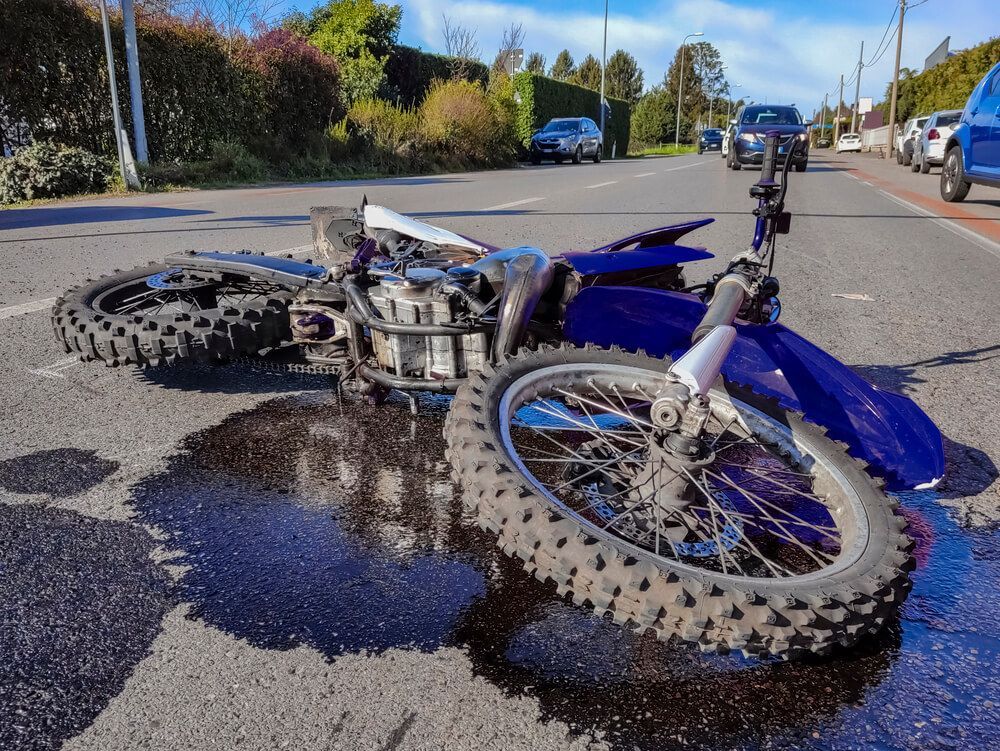
Unsafe lane-change accidents happen when a driver moves into your lane without realizing you are already there. This often occurs because the driver fails to check blind spots or assumes the lane is clear. Motorcycles don’t always appear clearly in mirrors, especially in heavy traffic. Even when a driver sees you, they may not realize how close you are.
These crashes are a major concern for motorcycle safety because they can knock you off balance or force you into another lane. Even light contact can make you lose control of your bike. Common injuries include broken wrists, shoulder injuries, knee damage, road rash and head injuries.
4. Rear-End Motorcycle Collisions
Rear-end crashes happen when a vehicle strikes you from behind while you’re riding. This type of motorcycle accident often occurs at stoplights, stop signs or in slow-moving traffic. Drivers who are distracted or following too closely may not stop in time. Unlike in a car, you have very little protection on a motorcycle, so even a low-speed rear-end crash can be severe.
You may be sent over your handlebars or knocked completely off your bike. As a result, you may suffer from back and neck injuries, concussions, broken bones and painful soft-tissue injuries that can take months to heal.
5. Distracted Driving Motorcycle Accidents
When drivers are distracted, your risk as a motorcyclist increases quickly. Distracted driving includes many everyday behaviors, such as:
- Texting, reading or sending messages
- Talking on the phone, even hands-free
- Using GPS or navigation apps
- Eating or drinking while driving
- Adjusting the radio or dashboard screens
- Reaching for items inside the vehicle
- Turning to talk to passengers
- Looking at something outside the vehicle instead of the road
These accidents are often severe because distracted drivers may not brake or swerve before colliding. When your motorcycle is hit, you can be forced off your bike or dragged along the pavement. Injuries commonly include broken bones, internal injuries and extensive road rash that may require extensive medical treatment.
6. Sideswipe Motorcycle Accidents
Sideswipe motorcycle accidents occur when a vehicle drifts into your space or crosses lane markings without fully changing lanes, making contact with the side of your motorcycle. Unlike unsafe lane-change crashes, sideswipe accidents often happen when drivers crowd you, misjudge spacing or allow their vehicle to wander due to distraction or fatigue.
Because your motorcycle relies on balance to stay upright, even slight side contact can knock you off your bike or push you into traffic. Injuries from motorcycle accidents caused by sideswiping often include broken arms and legs, shoulder and hip injuries and severe road rash. Some riders are also struck by other vehicles after the initial impact.
7. Road Hazard Motorcycle Accidents
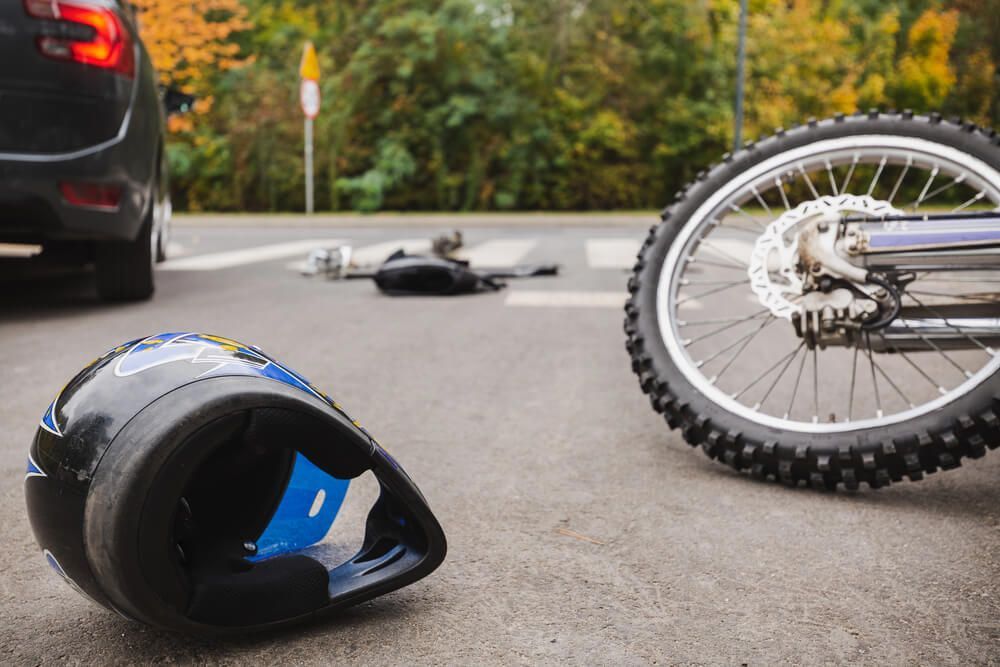
What barely slows a car down can be life-threatening for you on a motorcycle. Road hazard accidents are often caused by:
- Potholes
- Loose gravel
- Debris
- Uneven pavement
- Oil
- Slick surfaces
When your motorcycle hits a road hazard, your tires can lose grip instantly. This may cause your bike to wobble, slide out or flip over. Riders often suffer broken bones, head injuries, spinal injuries and severe road rash. In some cases, a city, construction company or property owner may be responsible for failing to fix or warn you about dangerous road conditions.
8. Single-Vehicle Motorcycle Accidents
Not every motorcycle crash involves another driver. Single-vehicle accidents happen when you lose control due to road hazards, sharp turns, braking errors or mechanical issues. While this type of motorcycle crash may not involve another vehicle, it can still lead to severe injuries like fractures, road rash and head trauma.
9. High-Speed Motorcycle Accidents
Speed magnifies every impact for motorcyclists. High-speed motorcycle accidents happen when drivers exceed speed limits or when traffic is moving fast. At higher speeds, collisions involve greater force and longer slide distances. These crashes commonly cause injuries such as chest trauma, organ damage, traumatic brain injuries and fatal injuries.
When you’re traveling at high speeds on a motorcycle, you have less time to react to sudden changes on the road. A car changing lanes, debris in your path or traffic slowing ahead can become impossible to avoid. If you lose control or hit another vehicle, your body absorbs much of the force because a motorcycle offers almost no physical protection.
You may be ejected from the bike or slide across the pavement for a long distance, increasing the risk of severe injuries. High speeds also make it harder for other drivers to see you or judge how fast you’re approaching. Even a small mistake at high speed can turn into a life-changing or deadly crash.
10. Dooring Motorcycle Accidents
Dooring accidents happen when someone opens a parked vehicle’s door into the lane you’re riding in and instantly blocks your path. This type of motorcycle accident is more common on city streets where motorcycles travel close to parked cars. Striking a door can throw you off your bike or force you into moving traffic, leading to long-term injuries.
When you’re riding alongside parked vehicles, a door that someone unexpectedly throws open creates a solid obstacle at chest or handlebar height, which can stop your bike abruptly. That sudden point of contact can send you over the handlebars or knock the bike sideways.
In some dooring motorcycle accidents, you may swerve to avoid the door and end up in a live traffic lane, where the risk of a secondary collision is high. These accidents happen quickly and without warning, leaving you no time to brake safely. Because motorcycles rely on balance and forward motion, even just being nicked by the door can cause severe injuries and long recovery periods.
11. Drunk or Drug-Impaired Driving Motorcycle Accidents
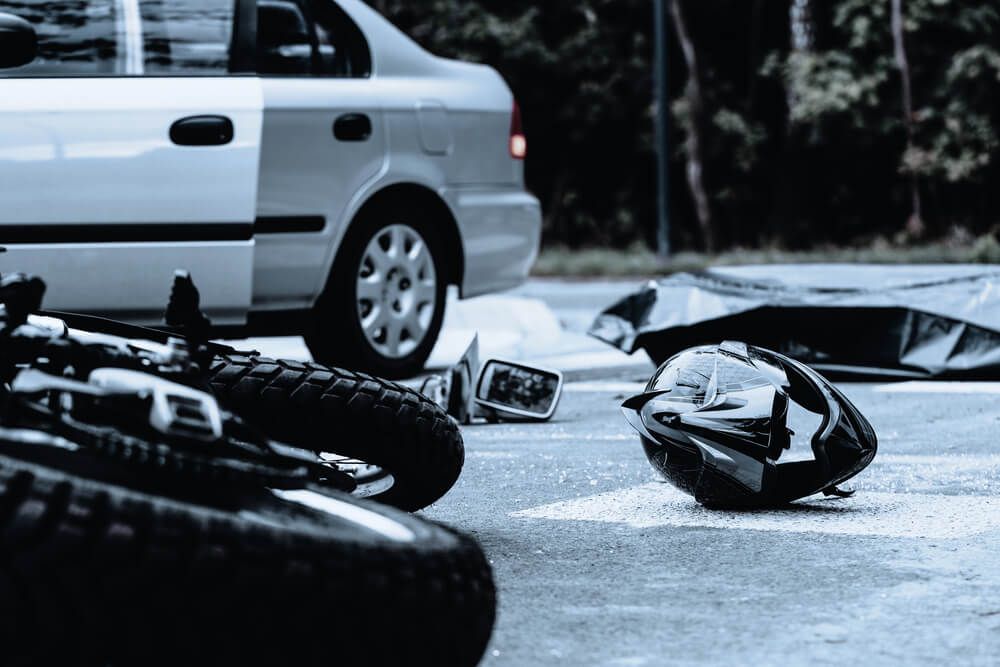
Drivers under the influence create extreme risks for motorcyclists. Alcohol or drugs reduce a driver’s reaction time, judgment and awareness, making it harder for them to avoid a collision. When an impaired driver crashes into you, they may strike at full speed without attempting to brake. These crashes often result in catastrophic injuries such as traumatic brain damage, paralysis, internal bleeding or death.
When you’re riding near an impaired driver, they may drift between lanes, misjudge distances or fail to stop at traffic signals. If they hit you, the lack of braking or steering away means your body absorbs the full force of the impact.
12. Hit-and-Run Motorcycle Accidents
Some drivers make the dangerous choice to flee after a motorcycle accident instead of stopping to help. In hit-and-run motorcycle accidents, you may be launched from your bike or left lying in traffic, exposed to passing vehicles. Without someone calling for help right away, injuries can worsen as minutes pass.
When the driver who caused the accident can’t be found, you may need to rely on uninsured motorist (UM) coverage to recover compensation. This coverage is meant to protect you when a careless driver has no insurance or leaves the scene.
If the driver is later found but doesn’t have enough insurance to cover your losses, underinsured motorist (UIM) coverage may help fill the gap. These policies can help pay for medical bills, future care, lost income and pain and suffering, but insurance companies often try to limit what they pay, which can make the claims process stressful.
13. Reckless Driving Motorcycle Accidents
Drivers who show a conscious disregard for traffic laws put the safety of others in jeopardy. Reckless driving motorcycle accidents often involve people who speed, weave through traffic or run red lights.
This type of driving creates chaotic traffic conditions where you could be cut off, sideswiped or forced into sudden maneuvers that make you unable to keep your motorcycle balanced. These crashes commonly result in injuries such as shoulder and knee damage, internal injuries, concussions and deep soft-tissue trauma.
When another driver is acting aggressively, you have very little control over what happens next. Sudden lane changes, tailgating or blowing through intersections can force you to brake hard or swerve with almost no warning. On a motorcycle, quick evasive moves increase the risk of losing balance or being thrown from the bike. Even if you avoid a direct hit, being forced off your path can send you into a curb, guardrail or nearby vehicle.
14. Motorcycle Defect Accidents
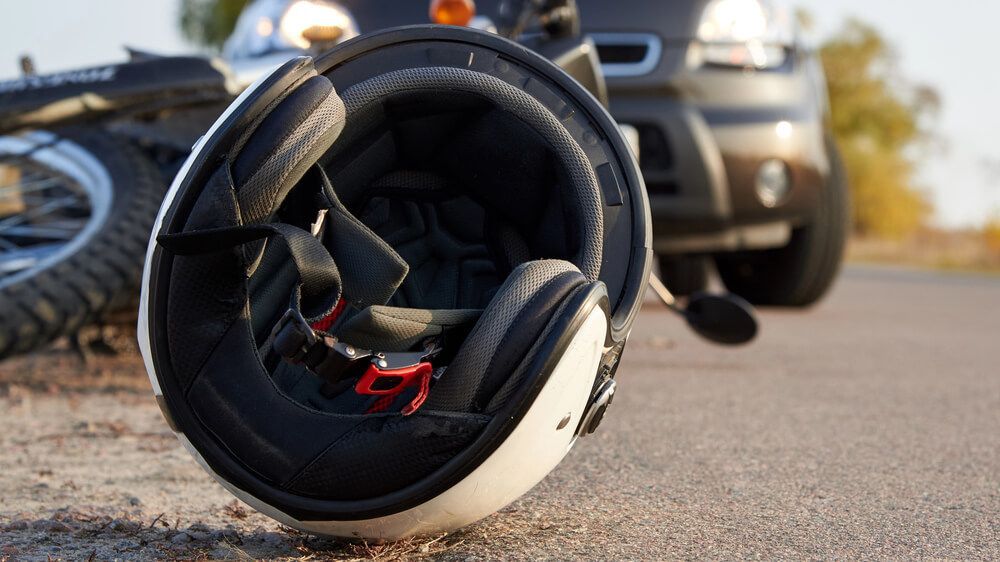
Mechanical failures can cause a crash even when you’re a careful rider. Motorcycle defect accidents are linked to problems like brake failures, tire blowouts or throttle malfunctions. When a critical part of your bike fails, the motorcycle may behave unpredictably or become impossible to control. As a result, riders often suffer injuries like broken bones, head injuries, spinal damage and severe road rash.
When a motorcycle defect happens, it often gives you little or no warning. A brake failure can prevent you from slowing down when traffic stops or a turn approaches. A tire blowout can make the bike wobble or slide, especially at higher speeds. Throttle problems may cause sudden acceleration when you’re trying to slow down or maintain control.
In these moments, your experience and attention may not be enough to prevent a crash. Motorcycles depend on precise balance and responsive parts, so even one faulty component can lead to a catastrophic accident. Because you’re exposed, losing control due to a defect often results in a hard impact with the road or nearby objects.
Get Legal Help After Any Type of Motorcycle Accident
An accident can change your life in an instant, leaving you with painful injuries, mounting bills and serious uncertainty about what comes next. It's especially frustrating when you weren’t at fault for the accident, yet you still have to deal with medical appointments, time away from work and insurance companies that push back instead of taking responsibility.
No matter the type of motorcycle accident you were involved in, Sargon Law Group is ready to protect your rights. We’re not afraid to challenge insurance company tactics and pursue full compensation for your damages.
You deserve an advocate who takes your case seriously and refuses to settle for less than what’s fair. Contact Sargon Law Group today and request your free consultation with one of our dedicated
motorcycle accident attorneys in Phoenix.