
Is Hitting a Deer an At-Fault Accident?
Recent Blog Posts


Is Hitting a Deer an At-Fault Accident?
Is hitting a deer simply an act of nature, or can another driver, a dangerous road or a failed safety feature make someone legally responsible for the accident?
Key Takeaways
- Hitting a deer is generally not considered an at-fault accident because insurers usually handle a direct animal strike under comprehensive coverage.
- Another driver may be liable if their tailgating, drifting into your lane or otherwise forcing you into the deer caused the crash.
- A driver who swerves to avoid a deer and strikes your vehicle can still be responsible for your injuries.
- If you miss the deer but hit a guardrail, tree or another vehicle, the insurer may classify the crash as an at-fault collision claim.
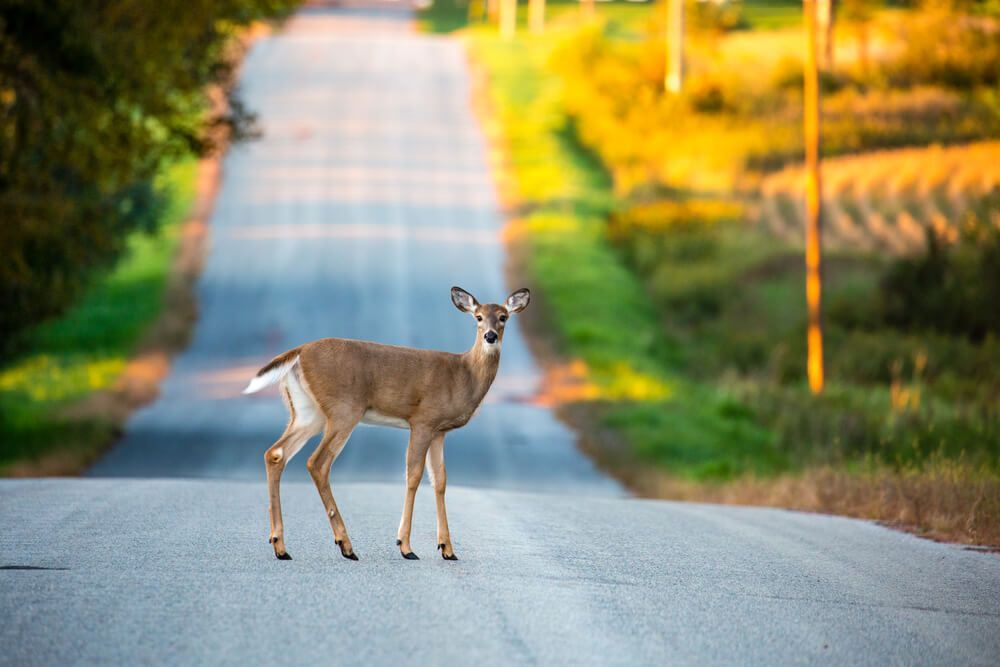
A deer can go from invisible to inches from your windshield in less than a second, leaving little time to brake or react. Drivers nationwide filed roughly 1.7 million animal collision insurance claims in a single year, and many are left wondering whether the crash will count against them.
Is hitting a deer an at-fault accident? The answer depends on whether another driver or a hazardous road condition contributed to the collision.
Is Hitting a Deer Considered an At-Fault Accident?
In most situations, striking a deer isn't treated as an at-fault accident. Insurers usually handle the claim under comprehensive coverage, the same type of coverage that applies to hail, theft and falling objects. Because no other driver is at fault, the claim generally isn't treated the same way as an at-fault collision such as a rear-end crash.
What If Another Driver Caused You To Hit a Deer?
A deer in the road doesn't erase another driver's responsibility. If someone was tailgating you, forced you toward the shoulder or struck a deer and left it in a dark travel lane, that driver's negligence may have caused your crash. In that situation, you may be able to seek compensation through the driver's liability insurance.
Proving the Other Driver Caused the Accident
Proving that another driver caused a deer accident often requires several forms of evidence. Dashcam footage, skid marks, vehicle damage and witness statements can help show what happened in the seconds before impact. Adjusters consider this evidence when determining fault, but you can dispute their decision if it overlooks important facts.
What If a Driver Swerved To Avoid a Deer and Hit You?
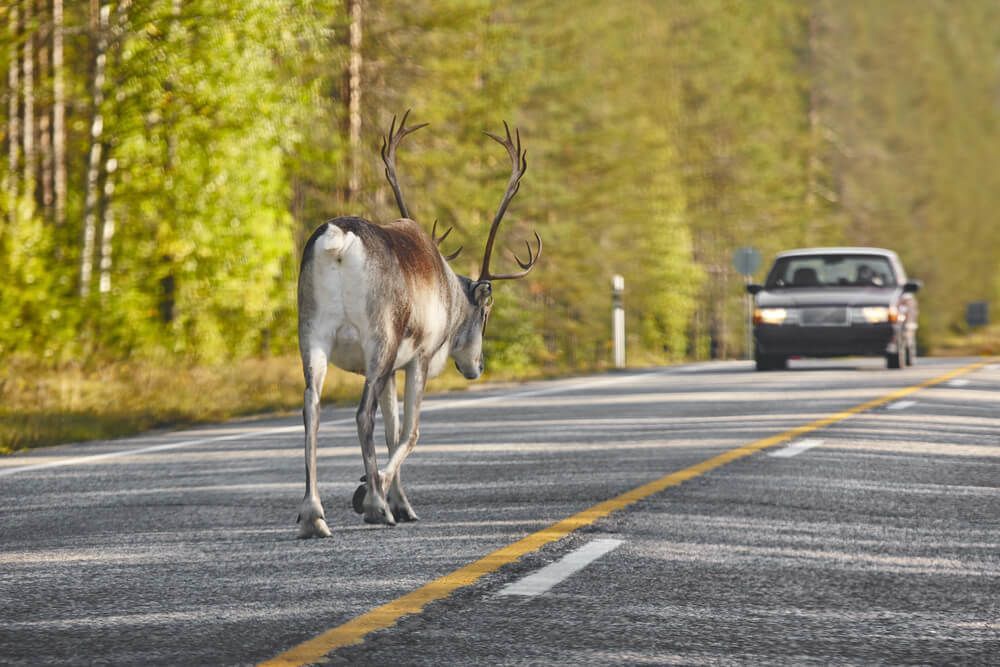
When someone swerves to miss a deer and hits you instead, you can still bring a claim against them. Drivers are expected to keep control of a vehicle when something unexpected appears, and safety agencies discourage swerving for exactly this reason. Crossing a center line or overcorrecting into oncoming traffic are choices a jury can find unreasonable, regardless of what triggered them.
The Sudden Emergency Defense in Deer Accidents
Insurers often argue that their driver faced a split-second crisis and shouldn't be judged by ordinary standards. But the sudden emergency defense isn’t a free pass whenever danger appears.
For example, the Arizona Supreme Court has emphasized that the sudden emergency defense is reserved for truly unusual situations, not every unexpected hazard on the road. The defense also weakens when the driver helped create the emergency by speeding or ignoring posted wildlife warnings.
Is It Worth Filing a Personal Injury Claim for Hitting a Deer?
Whether a personal injury claim is worth pursuing after hitting a deer depends largely on whether someone else contributed to the crash. If the deer was the only cause, you will generally need to rely on your own insurance coverage. When another driver, business, manufacturer or public agency also played a role, you may have grounds for a liability claim.
When a Third Party May Be Liable for Your Injuries
An employer could share liability if an overworked employee caused the crash while driving for work. A vehicle manufacturer may also be responsible if a defective airbag or another failed safety feature made your injuries worse. In some cases, a government agency may face a claim when a known road hazard contributed to repeated wildlife collisions.
Damages Available in a Deer Accident Injury Claim
A successful liability claim may cover losses that comprehensive auto insurance does not, particularly when the crash causes physical injuries. Deer strikes at highway speeds can result in concussions, spinal injuries, broken bones and other serious harm. Depending on the circumstances, compensation may include:
- Emergency treatment, surgery and follow-up care
- Future medical expenses related to a lasting injury
- Lost wages and reduced earning capacity
- Physical pain and emotional distress
- Vehicle repair or replacement costs
Arizona, California and Colorado may reduce a person’s compensation when that person shares responsibility for the accident. The effect of that finding depends on the state’s comparative-fault rules and the percentage of fault assigned.
Evidence Needed to Support a Personal Injury Claim
Wildlife crashes often happen on dark or rural roads where evidence can disappear quickly. Road crews may remove the deer, property owners may trim nearby vegetation and businesses may overwrite surveillance footage.
Photographs, dashcam video, witness statements and the incident report can help establish how the crash happened, while medical records can connect your injuries and treatment to the collision.
What Should You Do After Hitting a Deer?
What you do immediately after hitting a deer can affect both your safety and any later insurance or injury claim. Move your vehicle out of the travel lanes if it’s safe to do so, turn on your hazard lights and call 911 to report the collision. Don’t approach an injured deer, as it may panic and cause further injuries. Police or animal control officers can handle the animal safely.
Photograph the deer, your vehicle, the roadway, skid marks and any nearby wildlife warning signs when it’s safe to do so. Because adrenaline can temporarily mask symptoms such as dizziness, confusion or pain, consider seeking medical attention even if you initially feel fine.
Can Poor Road Design Affect a Deer Accident Claim?
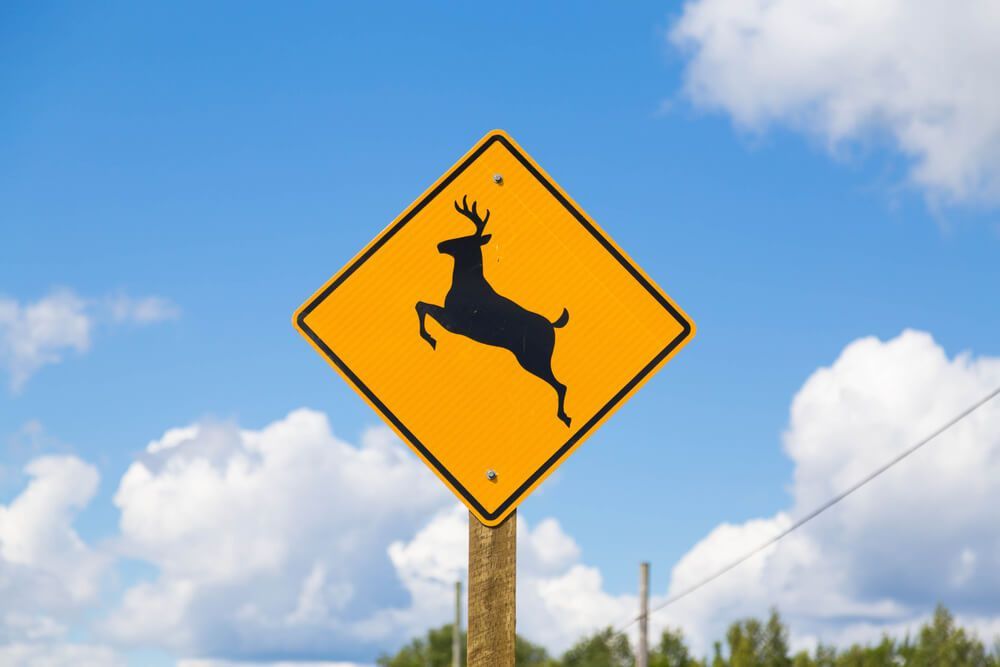
Road conditions may contribute to a deer accident, particularly in areas where wildlife crossings are common. Migration corridors, unfenced stretches of highway, poor lighting, overgrown vegetation and curves that limit a driver’s view can increase the risk of hitting a deer.
A public agency could potentially share responsibility if it knew that deer regularly entered the roadway at a particular location but failed to address a dangerous condition through reasonable measures such as warning signs, fencing or vegetation maintenance.
Proving Officials Knew About the Hazard
A claim against a road agency usually requires evidence that officials knew or should have known about the dangerous condition that contributed to the deer collision. Previous animal crashes near the same location, maintenance records, complaints from residents and agency communications may help establish that the risk was known. Wildlife collision data and road inspection records may also reveal whether officials had received prior warning of the hazard.
Do You Need a Lawyer After Hitting a Deer?
Sargon Law Group is a trial firm serving clients in Arizona, California and Colorado. Our attorneys bring decades of litigation experience and understand how insurers investigate accidents, evaluate injuries and assign fault. Clients work directly with the lawyer handling their case, and we offer free consultations with no fees unless we recover compensation.
Determining whether hitting a deer is an at-fault accident in your situation can be nuanced. Contact Sargon Law Group today to discuss your case with a
car accident attorney.