
What Is a DOT-Reportable Accident?
Recent Blog Posts





What Is a DOT-Reportable Accident?
A DOT-reportable accident can affect trucking company records, crash investigations and the evidence available after a serious collision with a commercial vehicle.
Key Takeaways
- A DOT-reportable accident is a crash involving a commercial vehicle where someone dies, someone needs medical care away from the scene, or a vehicle is so damaged that it has to be towed.
- Being labeled a DOT-reportable accident doesn't automatically mean the truck driver was at fault.
- Trucking companies are required to keep records of these crashes for three years, which can help you prove your case if you file a personal injury lawsuit.
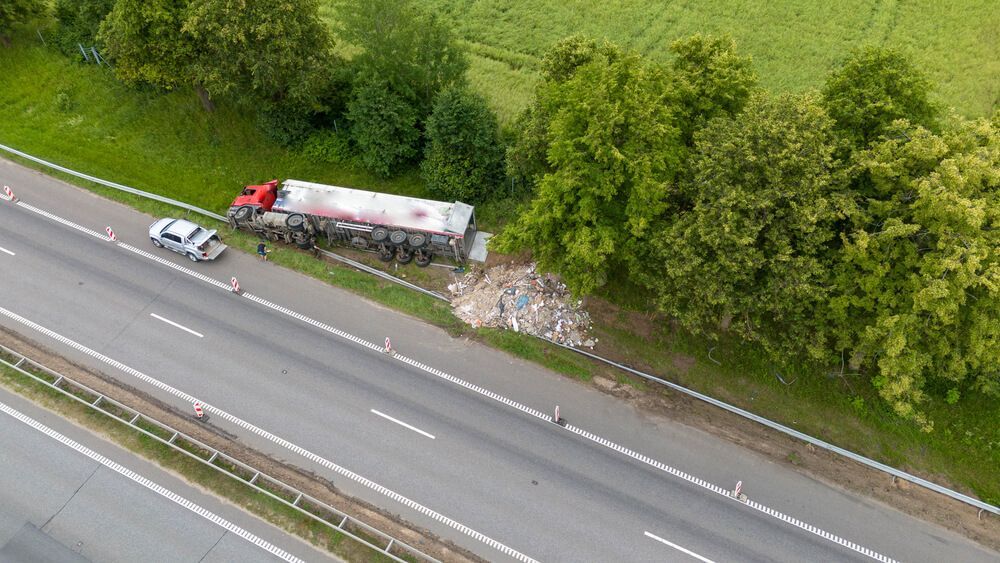
A collision involving a commercial truck is far more complex than a typical car accident. Because federal safety laws strictly govern the trucking industry, companies are required to maintain detailed records that are rarely available in other types of crashes. This data can be the most powerful evidence in your case, but it’s only mandatory if the accident meets specific federal requirements. To understand how this affects your claim, you first need to know what is considered a DOT-reportable accident.
What Is Considered a DOT-Reportable Accident?
“DOT” stands for the U.S. Department of Transportation. In trucking, people often use "DOT" as shorthand to refer to the federal safety rules enforced by the Federal Motor Carrier Safety Administration (FMCSA). This agency oversees commercial trucks, buses and motor carriers.
After a truck accident, the trucking company must check the federal FMCSA rules to see whether the crash is DOT-reportable. A crash usually qualifies if it involved a commercial motor vehicle and caused at least one of these three outcomes:
- Someone died
- Someone needed medical treatment away from the crash scene right away
- At least one vehicle had to be towed because it was too damaged to drive
If none of those things happened, the crash is not considered a DOT-recordable accident.
What Damages Qualify a Crash as DOT-Reportable?
A truck accident may be DOT-reportable if someone is hurt badly enough to need immediate medical treatment after leaving the crash scene. The injured person doesn’t have to be the truck driver. This rule can apply when another driver, a passenger, a pedestrian or anyone else involved in the crash needs medical care because of the collision.
A crash may also be DOT-reportable when a vehicle is too damaged to drive away safely. This is called “disabling damage.” A vehicle may have disabling damage even if it can move a short distance, especially if driving it could cause more damage or create a safety risk.
What Crashes Usually Don’t Count as DOT-Reportable?
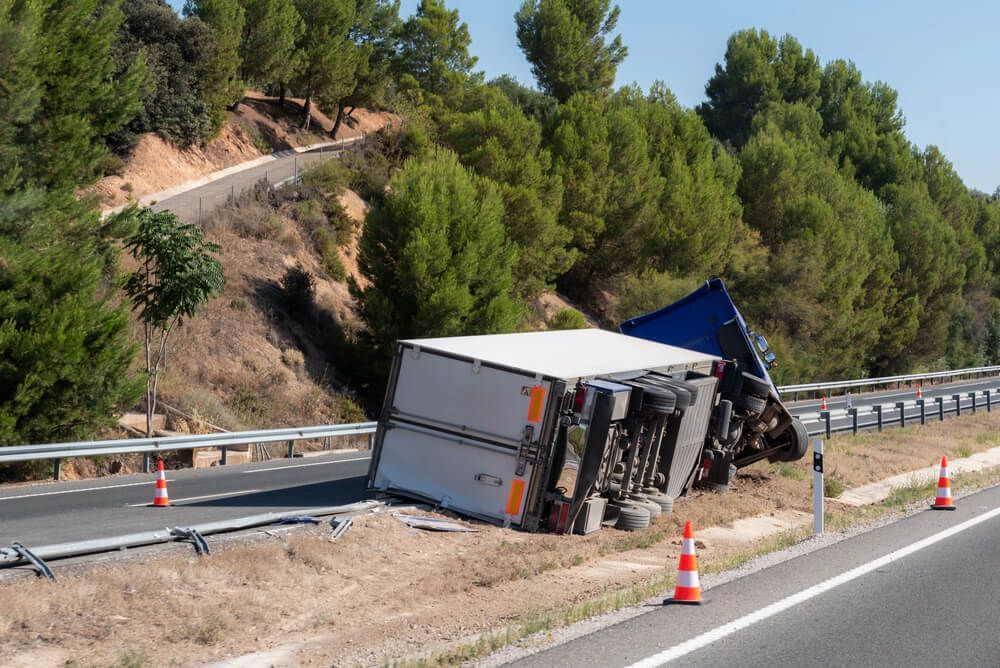
Some incidents involving commercial vehicles don’t count as DOT-reportable accidents because they aren’t treated like roadway crashes under the federal rule. For example, an incident may not qualify if someone is hurt while stepping into or out of a parked truck or bus.
Federal rules also generally exclude incidents that only involve loading or unloading cargo. For example, if someone is hurt while cargo is being moved but there isn’t an actual traffic crash, the incident may fall outside the DOT accident definition.
These incidents may still lead to an injury claim, workers’ compensation claim or insurance claim, depending on what happened. A personal injury lawyer can review the facts and explain which laws may apply.
What Vehicles Are Involved in Commercial Truck Accidents?
A vehicle may qualify as a commercial motor vehicle when a business uses it and the vehicle meets certain rules for weight, passenger use or hazardous materials.
Commercial motor vehicles may include:
- Semi-trucks
- Tractor-trailers
- Box trucks
- Dump trucks
- Flatbed trucks
- Buses
- Delivery trucks
- Vehicles carrying hazardous materials
- Other large vehicles used for business purposes
A smaller vehicle may still count as a commercial motor vehicle depending on its weight, how the business used it and what it carried at the time of the crash.
How Long Do Trucking Companies Have To Keep DOT Accident Records?
Under FMCSA rules, trucking companies generally must keep an accident register for qualifying crashes. The accident register must include:
- The date of the crash
- The nearest city or town
- The state where the crash happened
- The truck driver’s name
- The number of people injured
- The number of people killed
- Whether hazardous materials were released
The trucking company must also keep copies of accident reports required by state agencies, other government entities or insurers. The company must keep these records for three years after the crash.
Are State Crash Reports Different From DOT Accident Records?
A state crash report isn’t the same thing as a DOT accident register. A crash report is usually prepared by law enforcement after a wreck. A DOT accident register is the trucking company’s federal recordkeeping document for crashes that meet the DOT-reportable accident rules.
The two records can overlap. For example, the trucking company may need to keep a copy of a state crash report in its accident file. But the police report doesn’t decide by itself whether the crash is DOT-reportable, and it doesn’t automatically prove who was at fault.
However, these records can help support a truck accident claim. They can help your personal injury lawyer understand how the accident happened, request the right company records and look for evidence that may strengthen your case.
Does a DOT-Reportable Accident Mean the Truck Driver Was at Fault?
A DOT-reportable accident does not automatically assign fault to the truck driver. A commercial truck stopped at a red light that gets rear-ended by a speeding vehicle could still generate a DOT-reportable crash if someone needs medical treatment or a vehicle needs to be towed.
What Evidence Determines Fault in a Commercial Truck Crash?
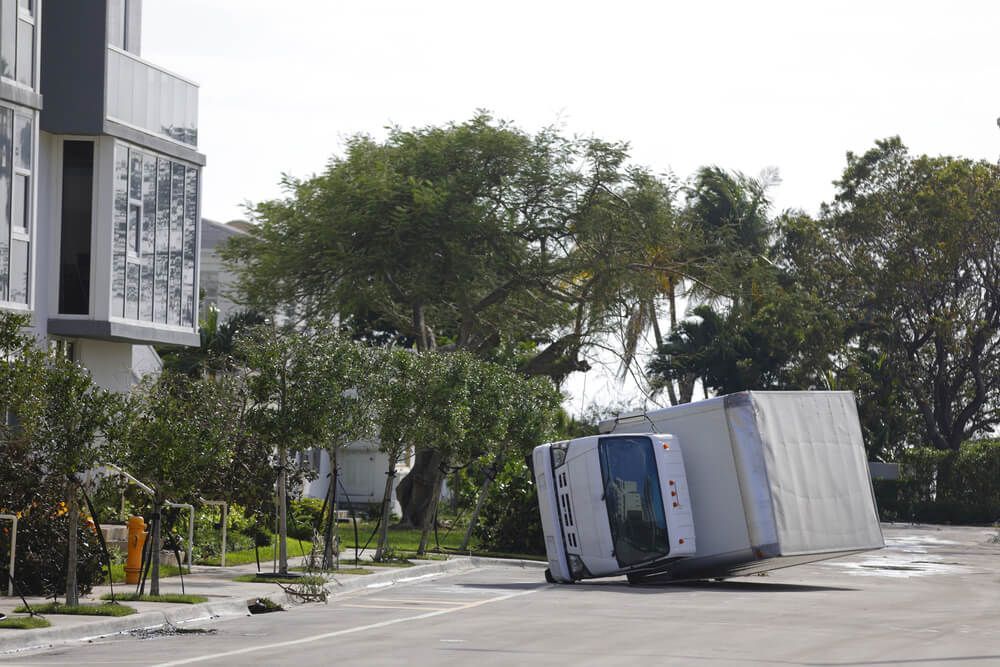
In a truck accident, fault depends on the facts. To understand who caused the crash, a personal injury lawyer may look at details such as:
- What each driver did before the crash
- Whether either driver ignored traffic laws
- How fast the vehicles were going
- Whether the truck followed too closely
- Whether fatigue or distraction played a role
- Whether the truck had maintenance problems
- Whether road or weather conditions contributed to the wreck
- Whether the trucking company properly handled hiring, training, scheduling, maintenance or cargo loading
A traffic ticket can help show that an officer thought a driver broke the law, but it doesn’t decide who is responsible for the crash. Police officers may not have all the facts when they write the first report.
Video, witness statements, data from the truck and trucking company records may show more about what happened. These records can help show whether the truck driver, trucking company, repair company, cargo loader or someone else played a role in the crash. In a personal injury claim, that information can help show who should be held responsible and what evidence supports your case.
Are There Drug and Alcohol Testing Requirements After a Trucking Accident?
Federal rules don’t require drug and alcohol testing after every DOT-reportable crash. However, testing is required after a fatal crash involving a covered commercial driver. For injury crashes or tow-away crashes, testing may depend on whether the truck driver received a moving violation citation within the required time limit.
These testing rules may show whether the trucking company followed the required steps after the crash. Missing tests, late tests or missing paperwork can raise questions about how the company handled the accident investigation. Missing or late testing does not automatically prove the driver was impaired, but it may show that important evidence was not handled the right way. In a personal injury case, this can help direct your lawyer to ask more questions, request specific company records and challenge the trucking company’s response after the crash.
How Is Compensation Determined After a DOT-Reportable Truck Accident?
The value of any truck accident claim, whether DOT-reportable or not, usually depends on the losses caused by the crash and the evidence that proves those losses.
Compensation may include money for:
- Medical bills
- Future medical care
- Lost income
- Reduced ability to work
- Pain and suffering
- Changes to your daily life
Once the personal injury lawyer understands the full impact of the crash, they connect each part of the claim to the proof behind it. Medical evidence helps support the cost of treatment and future care. Work records help show income losses. Crash evidence helps show why the truck driver, trucking company or another party should be responsible for paying those losses.
The lawyer also looks at available insurance coverage because that can affect how the claim is pursued and where compensation may come from. Together, these details help support the amount requested from the insurance company or in a lawsuit.
Talk To a Lawyer If You Have Questions About a DOT-Reportable Truck Accident
Recovering from a truck accident is hard enough without having to worry about complex federal rules and mountains of paperwork. You don’t have to face large trucking companies or their insurance teams alone.
At Sargon Law Group, we take over the difficult work for families in Arizona, California, and Colorado by tracking down the evidence that matters most. Whether it’s reviewing safety logs or holding a carrier accountable for their mistakes, we make sure you have the professional support you need to move forward.
If you were injured in a DOT-reportable accident, contact a
truck accident attorney at Sargon Law Group for a free consultation today.