
What Should You Do After a Bicycle Accident?
Recent Blog Posts


What Should You Do After a Bicycle Accident?
Most cyclists who get hit by a car do two or three things right after the accident that they later wish they hadn't.
Key Takeaways
- Getting medical attention right after a bike accident protects your health and creates documentation that connects your injuries directly to the accident.
- What you say and do at the scene, and in the days that follow, can affect your ability to recover compensation in a personal injury claim.
- More than one party can be held responsible for a bicycle crash, and every state sets a strict deadline to file a claim.
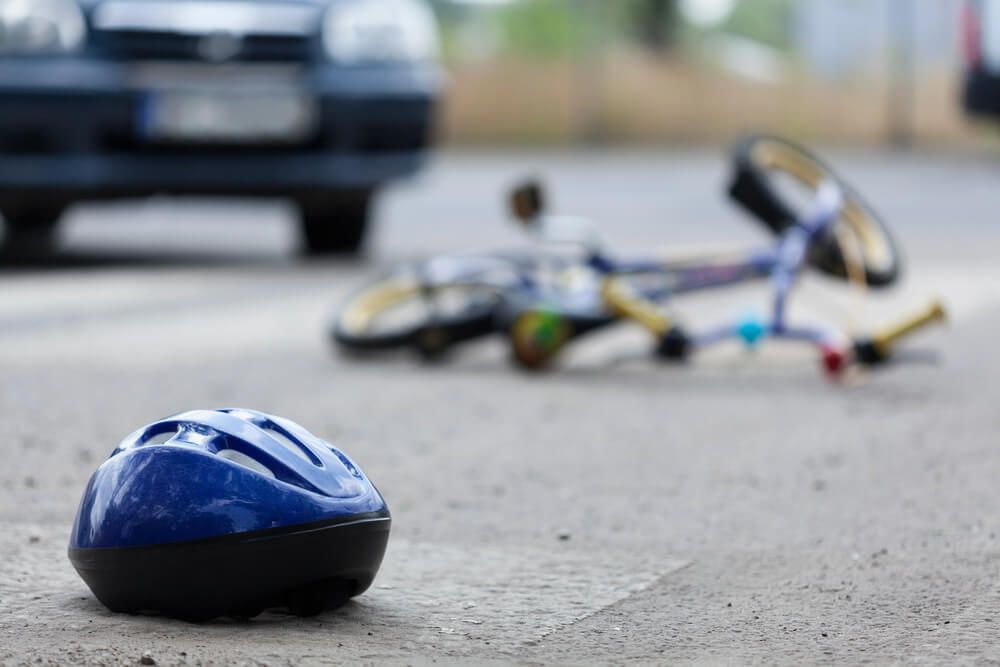
Bicycle infrastructure is expanding across the United States, but more bike lanes haven't eliminated the risks cyclists face from careless drivers. Cyclists can still be hit by drivers, forced off course or injured by unsafe road conditions that should have been addressed long before anyone got hurt.
When that happens to you, the decisions you make immediately after the crash may affect your future. Knowing what to do after a bicycle accident is the kind of information that can help you act quickly and protect yourself after a crash.
What Should You Do Immediately After a Bicycle Accident?
Taking the right steps immediately after a bicycle crash can protect your health and preserve important evidence for a potential claim. The scene is chaotic, and it can be hard to know what to do first.
Move to Safety if You Can
If you can move, get out of the road and away from traffic. A sidewalk, nearby parking area or grassy median puts distance between you and approaching vehicles. If your injuries are serious and moving could make them worse, stay where you are and wait for emergency responders.
Call 911 and Report the Accident
Call 911 even if the crash seems minor. A police report creates an official record that documents the driver's information, road conditions and the responding officer's observations. That record is important if the driver later changes their account of what happened.
When officers arrive, describe only what you saw, heard and experienced and avoid speculating about the cause.
Get Medical Attention
Always get medical help after a bike accident. Adrenaline and shock can make injuries harder to notice at first, which means the full extent of your injuries may not be obvious right away. Concussions, soft tissue damage and internal injuries often don't show clear symptoms until hours later. Going to the doctor also protects your health and creates a medical record that ties your injuries to the accident.
Exchange Information With the Driver
Before you leave the scene, collect the following from the driver:
- Full name and phone number
- Driver's license number
- Insurance company name and policy number
- License plate number and vehicle description
- Employer name and contact information if the driver was working at the time
Screenshot everything, photograph their insurance card and license, or type the details directly into your phone. Details you're sure you can remember later have a way of disappearing under stress.
Gather Evidence at the Scene
Pull out your phone and document as much as you can while you're still at the scene. Take photographs or video of:
- Your bicycle
- The vehicle
- Skid marks
- Road debris
- Traffic signals
- Your helmet
- Your clothing
- Any visible injuries
Note the time of day and the lighting conditions. Evidence at the scene disappears quickly once an area is cleared, so capture what's there before you leave.
Get Witness Contact Information

If anyone saw the crash, ask for their name and phone number before they leave. Neutral witnesses (people who have no stake in the outcome) can be important in a claim. If the driver's story changes later, an independent account of the crash can help challenge the driver’s version of events.
Avoid Admitting Fault
In the disorienting moments after a crash, it's natural to say "I'm sorry" out of habit, even when you didn't cause the accident. Those words can be taken out of context and used to argue that you accepted responsibility.
You also don't have all the facts in those first moments, so don't try to assess or explain what went wrong. Let the evidence and investigation determine what happened.
Save Your Damaged Bike and Gear
Don't repair, clean or discard anything involved in the crash. Your bicycle, helmet, lights, shoes, phone mount, backpack and any damaged clothing are all potential evidence. Store everything somewhere safe and untouched until you've spoken with a lawyer.
Why Should You See a Doctor After a Bicycle Accident?
Even if you walked away from the scene without obvious injuries, you should consider getting a medical evaluation. Traumatic brain injuries are a particular concern for cyclists because symptoms, including headaches, memory problems and difficulty concentrating, can develop gradually over days. Spinal injuries, internal bleeding and nerve damage often follow the same pattern.
From a legal standpoint, the timeline of your medical care can strongly affect a case. Insurance companies closely examine the gap between a crash and a person's first doctor visit. A delay gives them a basis to argue that your injuries weren't serious or weren't related to the accident. Seeing a doctor promptly and keeping all follow-up appointments helps reduce the likelihood that the insurance company will try to use that type of argument against you.
Hold on to every bill, record and prescription connected to your care. That documentation helps show how the accident has affected your daily life, and it directly supports the value of any compensation you pursue.
Do You Need a Bicycle Accident Lawyer?
Not every bicycle crash leads to a lawsuit, but any time there are significant injuries, insurance companies or disputed facts about who caused the accident, having legal guidance is always helpful.
Bicycle accident cases are often more complex than they first appear. The other driver's insurance company employs adjusters whose job is to settle your claim for as little as possible, and that support can help protect the value of your claim.
A bicycle accident lawyer can do the following on your behalf:
- Investigate the crash
- Identify every party who may share responsibility
- Gather and preserve evidence
- Handle insurance negotiations
If your injuries are serious or your situation involves disputed fault, that kind of support can significantly affect your claim.
What Should You Not Say After a Bike Accident?

After a bicycle crash, some of the most damaging things to your claim can come from your own words. Certain phrases that feel natural in the moment can create serious problems later. Here are a few phrases to avoid:
- "I'm sorry" or "my bad": Even when said out of habit, these phrases may be treated as an admission of fault
- "I'm fine" or "I'm okay": Can be used to downplay your injuries, even if pain shows up days later
- "I wasn't paying attention": Can give the other side an argument that you’re at fault
- "I think" or "I'm not sure, but...": Speculation about cause or sequence can be taken out of context fast
When speaking with responding officers, be factual and brief. Describe what you observed and what you experienced. Save anything beyond that for a conversation with your attorney.
What You Post on Social Media Can Also Hurt Your Claim
Most people don't think twice about posting after a significant life event, and a bicycle accident can feel like something worth sharing with your loved ones. But anything you share online after a crash can be used against you:
- A photo showing you out in public can be used to challenge your injury claims.
- A caption describing the accident, even a vague one, can conflict with your official account.
- A comment expressing frustration or assigning blame can undermine your credibility.
- Checking in at a location, tagging friends or even liking a post can all come up in discovery if your case moves toward litigation.
The safest approach is to stay off social media entirely until your case is resolved and let your attorney know if you've already posted anything related to the crash.
What Should You Not Do After a Bicycle Accident?
Your actions after the bicycle accident can also affect your claim. Here are a few things to avoid:
- Don't leave the scene before police arrive and document the accident.
- Don't skip medical care or stop treatment before your doctor clears you.
- Don't post about the crash on social media.
- Don't give a recorded statement to an insurance company before speaking with a lawyer.
- Don't accept a settlement offer without understanding the full extent of your injuries.
- Don't repair or throw away your bicycle, helmet or any gear that was damaged in the crash.
These are common mistakes to make after a stressful and disorienting event, but each one can reduce or eliminate compensation you may otherwise be entitled to pursue.
Who Can Be Held Responsible for a Bicycle Accident?
The driver who hit you isn't always the only party responsible in a bicycle accident. If the driver was working at the time of the crash, their employer may share responsibility. Rideshare and delivery companies can also face liability when their contracted drivers cause harm on the road.
When a dangerous road condition contributed to the crash, such as a broken bike lane, missing traffic signal or a poorly designed intersection, a city or government agency may bear responsibility. A property owner near the road can also be liable if a hazard on or adjacent to their property played a role in the crash. And if a defective bicycle component caused or worsened the crash, the product manufacturer may also be responsible.
Identifying every party with potential liability is one of the more important steps in building a thorough personal injury claim.
What if You Were Partly at Fault for the Bicycle Accident?
Sharing some responsibility for a crash doesn't automatically disqualify you from recovering compensation. Arizona, California and Colorado each use a comparative fault system, though the rules work differently in each state.
Arizona and California both follow a pure comparative fault model. Under this approach, you can recover compensation regardless of your percentage of fault, though your total recovery is reduced proportionally. For example, if a court finds you 30% responsible and your total damages come to $50,000, you'd recover $35,000.
Colorado follows modified comparative fault. You can recover compensation as long as you were less than 50% at fault. If your share of responsibility reaches 50% or more, you cannot recover damages.
When Should You Contact a Bicycle Accident Lawyer?
Reaching out to a lawyer sooner rather than later after a bicycle accident can help protect your claim. Surveillance footage often gets overwritten. Physical evidence at the scene disappears. Witnesses' memories lose detail with time. When a lawyer gets involved early, they can move quickly to preserve the evidence your case depends on.
You don't need to wait until your medical treatment is complete to have an initial conversation with a lawyer. Many attorneys offer free consultations, so you can understand your options without any financial commitment.
If you're still working through what to do after a bicycle accident and whether your situation calls for legal help, an initial consultation can help answer your questions.
What Compensation Can You Recover After a Bicycle Accident?
Depending on the facts of your case, recoverable damages may include:
- Medical expenses, both current and future
- Lost wages if your injuries kept you from working
- Reduced earning capacity for long-term or permanent injuries
- Physical pain and suffering
- Emotional distress
- The cost to repair or replace your bicycle and other damaged property
No two cases are the same, and no one can tell you what your claim is worth without knowing the full picture. A lawyer can look at the specifics of your situation and help you understand what you may be able to pursue.
How Long Do You Have To File a Bicycle Accident Claim?

Every state sets a legal deadline for filing a personal injury lawsuit, known as the statute of limitations. In Arizona and California, you generally have two years from the date of the accident. Colorado gives most personal injury claimants three years.
Claims involving government entities run on a much tighter schedule. In Arizona, you may only have 180 days to file a formal notice of claim before a lawsuit is even possible. California has similar early-notice requirements for public agency claims. Missing these deadlines typically eliminates your right to pursue compensation entirely, which is why it’s important to hire a lawyer soon after the accident.
Talk to a Bicycle Accident Lawyer About Your Case
Figuring out what to do after a bicycle accident is hard enough without also dealing with insurance companies and mounting medical bills. Sargon Law Group handles personal injury cases in Arizona, California and Colorado and works directly with clients from start to finish. When you hire our firm, you communicate with the attorney on your case, not a case manager or assistant.
Sargon Law Group takes bicycle accident cases on a contingency fee basis, meaning you pay no legal fees unless we recover compensation for you. Trilingual services are available, and our team is reachable 24/7. To discuss your case, contact a
bike accident lawyer at Sargon Law Group today.