
14 Causes of Bus Accidents
Recent Blog Posts



14 Causes of Bus Accidents
This guide explains the common causes of bus accidents, including driver mistakes, mechanical issues and the unique risks faced by school buses.
Key Takeaways
- Bus accidents are often devastating because of the vehicle's massive size, leading to thousands of serious injuries across the country every year.
- Many crashes are the result of human error, such as drivers being too tired, distracted or pressured by companies to stick to unrealistic schedules.
- If an accident happens, legal responsibility can fall on several different people or groups, including the driver, the bus company or the parts manufacturer.
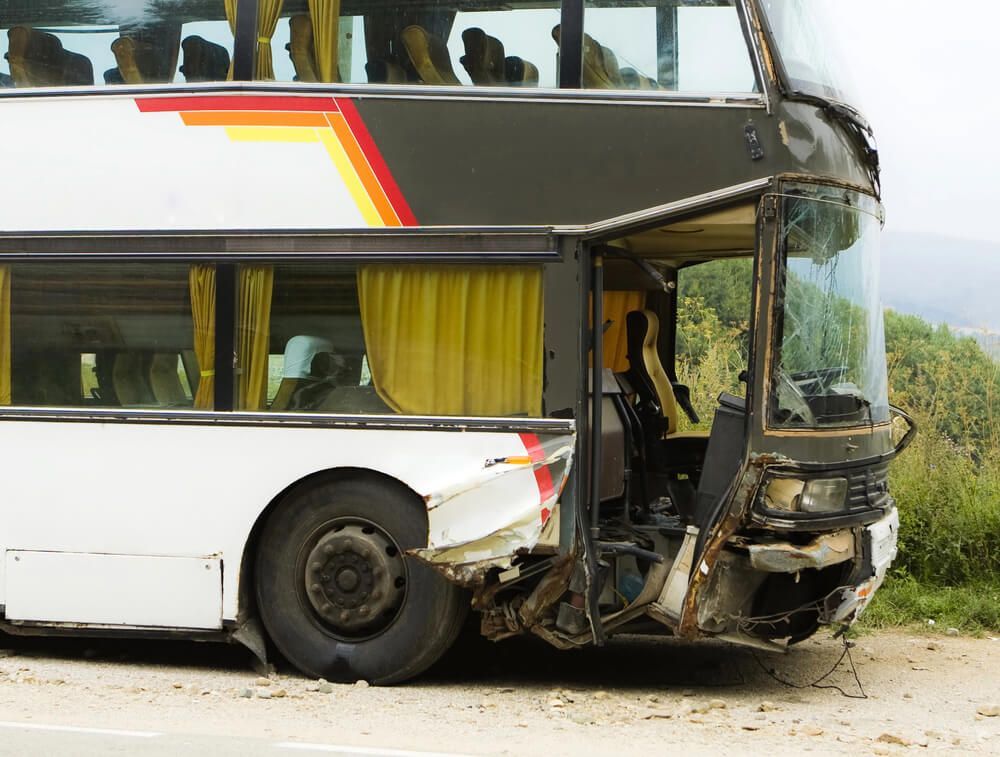
According to the Federal Motor Carrier Safety Administration’s 2024 data, nearly 3,500 bus crashes happened across the country. Because buses are so large and heavy, injuries from bus accidents can be devastating. You could suffer from broken bones, internal bleeding or even traumatic brain or spinal-cord injuries.
Bus accidents also come with complicated legal issues, especially when multiple parties may be responsible. Learn about the most common causes of bus accidents and when it may be a good idea to contact a personal injury lawyer to pursue compensation.
Most Common Causes of Bus Accidents
Whether you’re commuting to work or traveling across the state, knowing the top causes of bus accidents can help you understand who is at fault when things go wrong.
1. Driver Fatigue
Bus drivers operating public transit or charter buses often work long shifts, early mornings and split schedules, and these demands can leave them exhausted. Fatigue slows a driver’s reaction time and weakens judgment. When a tired driver struggles to stay alert, they may miss traffic changes, lose control of a heavy bus or fail to react to road hazards.
If a driver caused your injuries because they fell asleep or drove while overtired, you may hold more than the driver responsible. Bus companies often push tight schedules that force drivers to break hours-of-service rules, which limit how long drivers can stay on the road.
Regulatory agencies set these rules to protect public safety. When a company ignores them, it acts negligently and breaches its duty of care, meaning it fails to take reasonable steps to prevent harm. Fatigue-related crashes often cause severe injuries, including spinal fractures and traumatic brain injuries.
2. Distracted Driving
Bus drivers on public transit and commercial routes cause serious accidents when they take their attention off the road, even for a few seconds. Drivers commonly become distracted by cell phones, radios, paperwork or conversations with passengers.
Bus drivers must constantly scan mirrors and watch large blind spots. When a driver looks away, they increase the risk of hitting a stopped car, cyclist or pedestrian.
If a distracted driver causes a crash, the driver and the bus company may both face liability for negligence, especially when the driver violates company safety policies. In some cases, manufacturers and regulatory agencies also share responsibility if they fail to require or provide safety technology, such as hands-free communication systems, that could reduce distractions.
3. Speeding

Speeding is another cause of bus accidents that significantly increases the chance of injuries. Because buses weigh so much, they need more time and distance to stop safely. When a driver speeds to stay on schedule, they often cannot slow down in time to avoid a collision.
Speed also increases the force of a crash, which leads to more serious injuries. Heavy traffic can even trigger aggressive driving, and frustrated drivers may respond by speeding or changing lanes too often.
Under negligence per se, a legal rule that treats breaking a safety law as evidence of negligence, a driver becomes legally responsible when they ignore posted speed limits or drive too fast for road or weather conditions. A bus company may also share responsibility if it fails to install speed-limiting devices or pressures drivers to follow unrealistic schedules.
4. Inadequate Vehicle Maintenance or Mechanical Failure
Mechanical problems happen less often than driver mistakes, but when they do, the results can be devastating. Worn brakes, bald tires or faulty steering parts can cause a bus driver to lose control without warning. When you step onto a bus, you trust that the company has inspected it and kept it in safe working condition.
Bus companies have a legal duty to inspect, repair and maintain their vehicles. Regulatory agencies enforce maintenance rules to protect passengers and others on the road. When a defective part causes a crash, the manufacturer may be liable under product liability, which holds companies responsible for selling unsafe products.
Bus designers and regulators may also share blame if they failed to require essential safety upgrades. Mechanical failures often cause serious injuries, including burns from fires, broken bones and blunt-force trauma. A personal injury lawyer can review maintenance logs, recall notices and inspection reports to identify who caused the failure.
5. Traffic Congestion
Heavy traffic puts constant pressure on bus drivers, especially those operating in urban or high-traffic transit systems. Congested streets force drivers to squeeze through tight spaces, stop suddenly and stay on schedule despite delays. When drivers feel rushed, they may speed, follow other vehicles too closely or make unsafe lane changes.
Other motorists stuck in traffic often act unpredictably. A driver may cut in front of a bus without signaling or slam on the brakes, leaving little time to react.
Bus companies also contribute to congestion-related crashes when they design routes and schedules that ignore rush-hour delays. Government agencies play a role as well by managing traffic flow, bus lanes and signal timing.
If traffic-related aggression caused your injuries, you may recover compensation from the bus driver for negligence, the bus company for poor planning or local authorities for failing to address dangerous traffic conditions.
6. Negligence by Other Motorists

Some bus accidents are caused by the negligence of different drivers on the road, not the bus driver. When a car strikes a bus or forces it to stop suddenly due to speeding, driving distracted, running red lights or cutting off the bus, bus passengers can be thrown from their seats and suffer head, neck or back injuries.
You can file a negligence claim against the driver who caused the crash. At the same time, you may still have a case against the bus company if poor driver training, inadequate equipment or delayed reactions made the collision worse. This matters because commercial insurance companies often argue over fault to avoid paying claims. A skilled bus accident lawyer can investigate the crash and identify every party that played a role, which can increase your chances of recovering full compensation.
7. Hazardous Weather or Road Conditions
Bad weather and unsafe roads make driving a bus much more dangerous. Rain, snow, fog, ice, potholes and poor drainage reduce visibility and traction. Because buses are large and heavy, they need more time and distance to stop on slick surfaces. Strong winds can also push a bus out of its lane.
Bus drivers must adjust their speed and driving behavior to match road and weather conditions. When they ignore these risks, they may act negligently.
State and local agencies also have a duty to maintain roads, clear snow and ice and warn drivers about hazards. When those agencies fail, you may have a claim against them under premises liability or similar laws.
8. Unsafe Lane Changes
Changing lanes safely in a full-size bus on public roads shared with passenger vehicles takes planning and constant awareness. Large blind spots make it harder for drivers to see smaller vehicles, cyclists or pedestrians. When traffic gets heavy, drivers may feel pressured to change lanes quickly, which can increase the risk of a crash.
Other motorists also create danger when they dart into bus lanes or cut off a bus with no warning. When a bus and car collide, the results are often devastating. A sideswipe or rollover can cause severe injuries like spinal fractures or traumatic brain injuries.
Bus companies must train drivers in defensive driving, and manufacturers must design buses with better visibility features. When poor training or design contributes to a crash, multiple parties may share liability.
Most Common Causes of School Bus Accidents
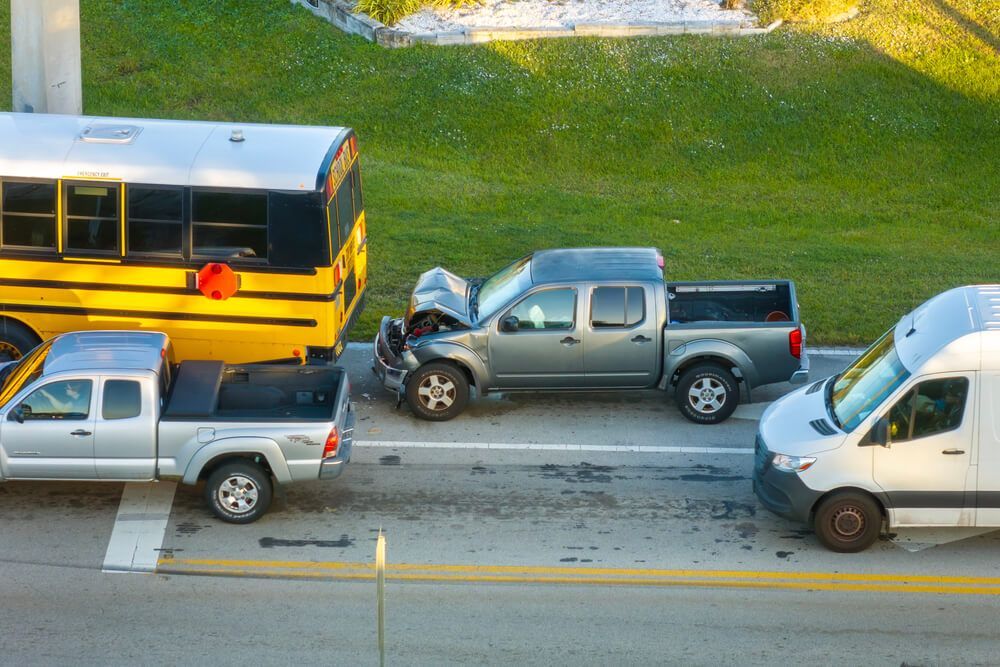
Factors like improper loading zones and distracted drivers remain a leading cause of school bus accidents today, but they aren’t the only reason for these crashes.
1. Illegal Passing of a Stopped School Bus
When a school bus extends its stop arm and flashes red lights, the law requires all traffic to stop. Still, many drivers ignore this rule and put children in serious danger. These crashes often happen when a child crosses the street as an impatient driver tries to pass the bus.
Even when the bus driver does everything right, you or your child can suffer serious injuries or worse because another motorist chose to ignore the law. A school district or bus company may also share responsibility if it placed a stop on a high-speed road without proper warning signs. These incidents often cause devastating head and chest injuries.
2. Accidents During Student Loading or Unloading
Getting on and off a school bus may seem routine, but these moments are some of the most dangerous parts of the trip. Children often feel rushed, distracted or excited, which can lead them to trip, misstep or move before it is safe. At the same time, traffic may still be moving nearby, leaving little room for error.
Bus drivers must control the entire loading and unloading process. That includes stopping in the correct position, activating safety equipment, checking mirrors and confirming that every child has cleared the danger zone before moving the bus. When a driver pulls away too soon or fails to follow proper procedures, a child can fall, get pinned or be struck by the bus itself. Bus companies and school districts are responsible for training drivers and enforcing these safety steps.
3. Driver Inexperience or Insufficient Training
Another reason for school bus accidents is that new drivers may not be trained well. Driving a school bus while supervising children requires special skills. When a bus company hires inexperienced drivers or skips training, it puts students and others at risk.
Bus companies and school districts must ensure drivers hold the correct Commercial Driver’s License and meet medical and background requirements. They must also provide ongoing safety training. When they fail to do so, they may be liable for negligent hiring or supervision, meaning they did not take reasonable steps to ensure driver safety.
If you were injured because a poorly trained driver lost control or made a bad decision, you may have a claim against both the driver and their employer.
4. Unsafe Route Design
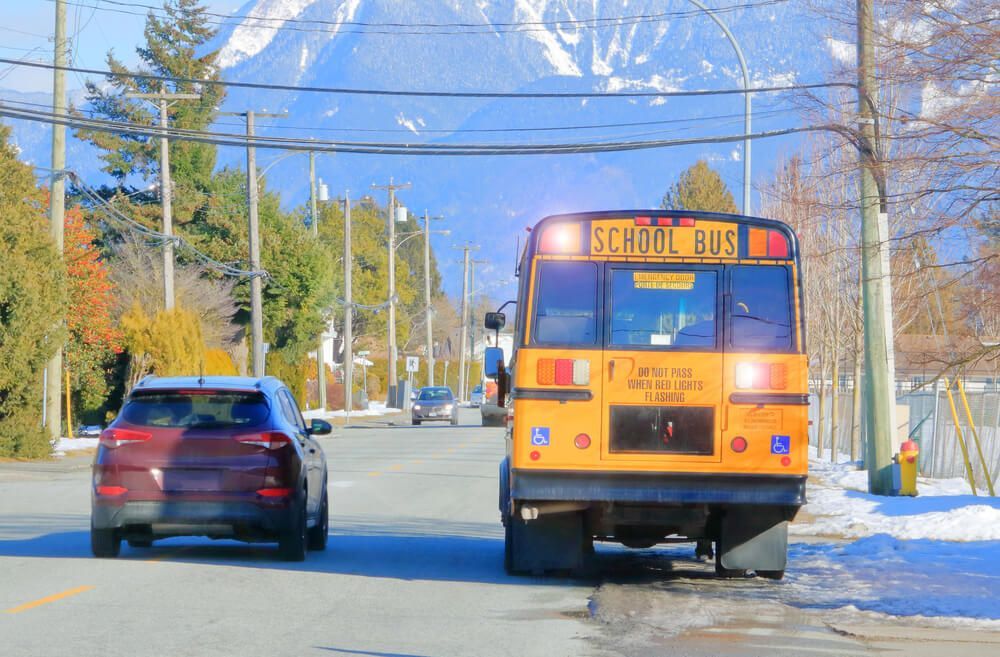
The roads a school bus travels and the location of its stops play a major role in safety. Poor route planning can force children to cross busy streets or wait near intersections with limited visibility. These choices increase the risk of serious accidents.
School districts must carefully plan routes and stop locations with student safety in mind. The National Transportation Safety Board has identified unsafe route and stop design as a serious concern. The Federal Transit Administration also encourages agencies to follow best practices for route planning and updates. When a district ignores known risks or fails to adjust dangerous routes, it may be liable for negligent planning.
5. Student Behavior That Distracts the Driver
Passengers in a bus wreck are sometimes the cause of the crash itself. When a student distracts the driver at the wrong moment, even a brief lapse in attention can lead to serious consequences. Without clear rules or supervision, students may stand up, move between seats, shout or get into fights.
If a driver turns around to address the disruption or reacts suddenly to loud behavior, the bus can drift out of its lane, miss a traffic signal or fail to see a hazard ahead.
The National Transportation Safety Board has recognized that safety measures such as seat belts can improve student behavior and reduce distractions. Even so, bus companies and school districts still have a duty to supervise passengers and enforce safety rules.
While a student’s reckless behavior may contribute to a crash, adults remain responsible for maintaining a safe environment. If student misconduct caused your injuries, a bus accident attorney can help determine whether the school, driver or parents share responsibility.
6. Failure To Follow School Transportation Safety Protocols
Some bus accidents are caused by drivers or companies failing to follow safety rules. These may include inspecting the bus before each trip, using stop arms properly, following safe loading procedures and wearing seat belts when available. When drivers ignore established rules, they increase the risk of serious accidents.
Bus companies must monitor drivers and enforce compliance. When they fail to do so, they may be liable for negligent supervision.
Regulatory agencies also play a role by enforcing safety standards. Passengers can worsen injuries by standing or failing to wear seat belts, but adults remain responsible for setting and enforcing the rules. If your child was injured because safety protocols were ignored, a personal injury lawyer can help you identify every party that failed to protect them.
Get Legal Help After a Bus Accident Caused by Negligence
Whether a sleepy driver or a mechanical failure was the cause of the bus accident in Arizona, you deserve to have a supportive team by your side. At Sargon Law Group, we work to uncover the cause of the accident by performing deep-dive investigations into maintenance logs, driver records and black box data.
We also take over the stress of dealing with aggressive insurance companies and bus corporations that often try to dodge responsibility. Our team calculates the full value of your claim to make sure your compensation covers not just today’s bills, but your long-term future needs as well.
You deserve a team that treats your recovery as a top priority. If you’re ready to get clear answers and hold the right people accountable, contact a Phoenix
bus accident attorney at Sargon Law Group today for a free consultation.