
How Are Medical Bills Paid After a Car Accident?
Recent Blog Posts





How Are Medical Bills Paid After a Car Accident?
When you’re hurt in a car accident, the medical bills can pile up fast. This guide explains how to handle those costs so you can focus on getting better.
Key Takeaways
- You should use your own auto or health insurance to pay doctors when medical bills are due, because the at-fault driver’s insurance may not pay out for months.
- You can use a medical lien to get the treatment you need today without paying anything upfront, with the agreement that the provider will be paid directly from your final personal injury settlement.
- You or your lawyer can often negotiate with doctors and insurance companies to lower the amount you owe on your medical bills, which helps you keep more of your settlement money.
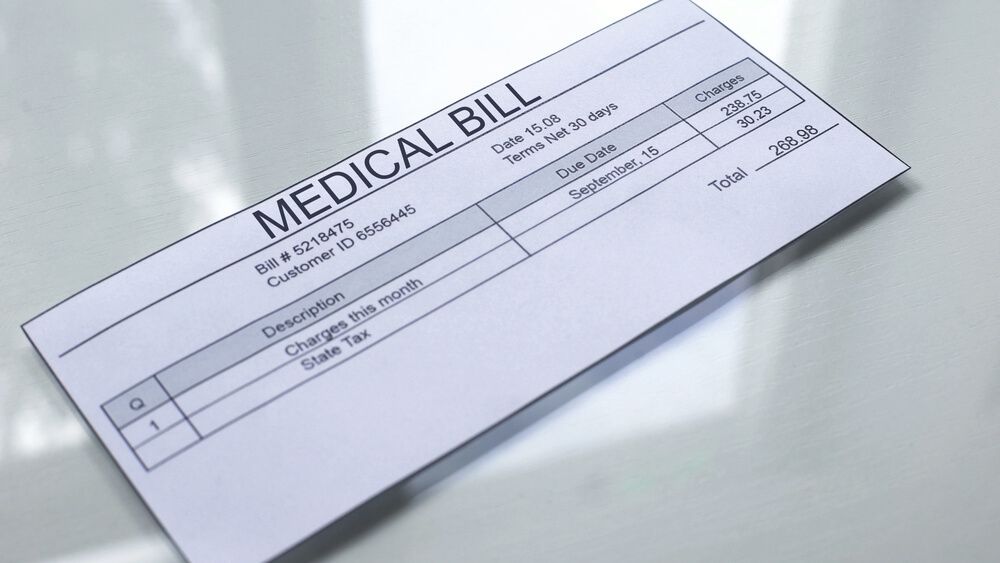
After a car accident, the bills usually don’t arrive all at once. First, you may see charges for the ambulance, emergency room or urgent care visit. Then you may get bills for imaging, follow-up visits, physical therapy, medication or surgery. If you miss work, the financial pressure can grow even faster. How are medical bills paid after a car accident you didn’t cause?
8 Ways Medical Bills Are Paid After a Car Accident
The average medical bill after a crash can range from a few thousand dollars for minor injuries to tens of thousands for serious trauma. Because treatment can be expensive, accident victims often rely on several payment sources. Here are eight common ways car accident medical bills may be paid.
1. Your Auto Insurance Policy
Your own auto insurance may help pay medical bills after a crash, even if another driver caused the accident. Many people are surprised by this. In a fault-based state, the at-fault driver is responsible for damages, but your policy may still cover treatment while the claim is being investigated.
Personal Injury Protection (PIP)
Personal injury protection, or PIP, is often called no-fault coverage. It can pay medical expenses for you and your passengers regardless of who caused the crash.
However, PIP is not available in every state. Whether you have PIP depends on where the crash happened and what your policy includes. Depending on the policy, PIP may also cover lost wages, rehabilitation costs and services like childcare or housekeeping while you recover.
PIP only pays up to the coverage limit on the policy. For example, if your policy includes $10,000 in PIP coverage and your medical bills reach $18,000, PIP would pay the first $10,000. The remaining $8,000 would need to be paid by another source, such as health insurance, MedPay or the at-fault driver’s insurance.
Uninsured or Underinsured Motorist Coverage
Who covers medical bills in a car accident when the driver who caused the crash doesn’t have insurance? Uninsured motorist (UM) coverage applies when the driver who caused the crash doesn’t have liability insurance. Underinsured motorist (UIM) coverage applies when the at-fault driver has insurance, but the policy limits are too low to cover the full cost of the injuries.
In Arizona, insurers must offer UM and UIM coverage. If you choose to buy it, the minimum amount is typically 25/50, meaning $25,000 for one injured person and $50,000 for two or more injured people.
MedPay
MedPay, or medical payments coverage, is another type of coverage available on some auto policies. It helps pay medical and funeral expenses related to a crash regardless of who was at fault. Unlike PIP, medical payments coverage usually does not include lost wages or household services.
MedPay coverage limits often range from $1,000 to $10,000 per person, though some policies offer higher limits. These benefits can help with expenses such as ambulance charges, emergency room care or follow-up treatment. However, in serious injury cases, this coverage rarely pays all medical costs by itself.
2. The Other Driver’s Insurance

If another driver caused the crash, that driver’s liability insurance may offer a settlement to resolve your injury claim. In Arizona, drivers must carry minimum liability coverage of 25/50/15:
- $25,000 for bodily injury to one person
- $50,000 for bodily injury to two or more people
- $15,000 for property damage
To access that coverage, you (or your attorney) typically file a liability claim with the at-fault driver’s insurance company. That claim usually includes basic proof of the crash (like the police report, photos and witness information) and documentation showing how you were hurt and what the treatment cost.
As you continue care, the claim is updated with medical records, bills and lost wage information. Keep in mind, the insurer won’t pay more than the policy limits, even if your losses are higher.
However, liability claims often take months to resolve. The insurance company may investigate the crash, review medical records and determine the value of the claim before paying you anything.
3. Your Health Insurance Policy
After a car accident, medical providers usually ask for both your auto insurance and your health insurance information. They do this because more than one type of insurance may help pay the bills.
In many cases, auto insurance related to the crash pays first. For example, if your policy includes personal injury protection (PIP), that coverage may pay for medical treatment up to its limit. Once those benefits run out, your health insurance may begin paying for additional care.
Health insurance can make it easier to continue treatment while the accident claim is still being handled. Instead of waiting months for a settlement, your health insurer may pay the doctor or hospital according to your policy.
4. Subrogation After You Receive a Personal Injury Settlement
Subrogation happens after you receive money from a settlement or court judgment related to the accident. If another insurer paid some of your car accident medical bills earlier, that insurer may ask to be repaid from the settlement.
For example, your health insurance may have paid $8,000 for treatment while your injury claim was still pending. If you later receive a settlement from the at-fault driver’s insurance company, your health insurer may ask to be reimbursed for that $8,000.
Subrogation often happens with:
- Health insurance companies
- Workers’ compensation insurers
- Certain types of auto insurance coverage
Arizona law also allows auto insurers to place a lien in some situations. For example, if more than $5,000 in MedPay benefits were paid, the insurer may claim reimbursement from part of the settlement, depending on the circumstances.
Because of these repayment claims, the amount you receive from a settlement may be less than the total settlement amount. Before the money is distributed, some of it may go toward repaying insurers, paying attorney fees and covering case costs.
5. Medical Liens

A medical lien is an agreement that lets you receive medical treatment now and pay the healthcare provider later. Instead of billing you or your insurance right away, the provider agrees to wait for payment until your car accident claim is finished. If you receive money later through a settlement or court award, the provider is paid from that amount.
Medical liens are a great option when someone needs treatment but doesn’t have enough insurance to cover the bills upfront. The lien allows care to continue while the legal claim is still in progress.
However, medical liens are subject to certain rules. In many states, you can only pay them from the compensation you recover from the at-fault driver. They usually don’t apply to payments from health insurance, medical payments coverage or uninsured/underinsured motorist coverage. Some laws also protect part of a settlement so that liens cannot take the entire amount.
6. Out-of-Pocket Payments
Even with insurance, some accident-related medical costs may still have to come directly out of your pocket. These costs can include:
- Insurance deductibles
- Co-pays
- Prescription medications
- Travel expenses for medical appointments
- Treatment that is not fully covered by insurance
It’s important to keep records of every accident-related expense, even small ones. Your lawyer can add these costs to a personal injury claim. Start by saving every receipt, invoice and explanation of benefits (EOB) you receive from your insurance company. If you pay for prescriptions, medical equipment or over-the-counter supplies recommended by your doctor, keep those receipts as well.
You can even track travel related to medical care. For example, you may need to drive to physical therapy, specialist visits or follow-up appointments. Keep a simple log with the date of the appointment, the location and the number of miles traveled. Document parking fees and public transportation costs.
Keeping these records makes it easier to show exactly what the accident cost you. If you later file an injury claim or settlement request, this documentation helps support the amount you’ll ask to recover.
7. Workers’ Compensation
If the car accident happened while you were working, workers’ compensation may help pay your medical bills. Workers’ compensation is a type of insurance that employers carry to cover employees who get hurt on the job. It pays for medical care related to the injury and may also replace part of your lost wages if you cannot work while recovering.
In Arizona, workers’ compensation may pay about two-thirds of your average monthly wages if your injury keeps you from working for a period of time. A car crash can qualify as a work injury in several situations, including if you were:
- Driving between job sites
- Running an errand for your employer
- Using a vehicle as part of your job duties
In these situations, workers’ compensation may pay your medical bills first, even if another driver caused the crash. If you later receive money from the driver who caused the accident, the workers’ compensation insurer may ask to be repaid for the benefits it already paid.
8. Personal Injury Lawsuit

One of the most common ways medical bills are paid after a car accident is through a personal injury claim. An injury claim allows you to recover money for both past and future medical expenses related to the accident. This can include:
- Emergency room care
- Hospital stays
- Surgery
- Physical therapy or rehabilitation
- Prescription medications
- Follow-up doctor visits
- Medical equipment or assistive devices
- Future medical treatment related to the injury
In serious injury cases, future care can be a large part of the claim. For example, someone with a spinal injury may need years of therapy or ongoing treatment. A settlement or court award can include money for these expected medical costs.
When a case resolves through a settlement or court judgment, you can use that compensation to pay outstanding medical bills, reimburse insurance companies that covered earlier treatment and cover future care.
Additional Personal Injury Damages
Medical bills are usually the largest expense after a crash, but they’re not the only financial loss.
A personal injury claim may also seek compensation for:
- Lost wages while recovering
- Reduced earning ability if the injury limits future work
- Property damage to the vehicle
- Pain and suffering caused by the injury
- Loss of normal activities or quality of life
These damages help address the financial pressure caused by the injury. For example, replacing lost income can make it easier to handle medical expenses and daily living costs during recovery.
Should You Pay Your Medical Bills Upfront or Wait for the Settlement?
In most cases, you shouldn’t ignore your medical bills while you wait for a settlement. The money you’ll get from a settlement helps reimburse accident costs later. Medical bills can still become a collection problem if no one is paying them while the claim is pending.
For most people who were in a car accident and are racking up medical bills as a result, the safest approach is this:
- Open the insurance claims right away.
- Use any available coverage now instead of paying everything out of pocket.
- Don’t ignore provider bills while you’re waiting for the case to resolve.
- Keep proof of every payment and every balance so those amounts can be included in the injury claim later.
When Waiting To Pay Your Medical Bills Makes Sense
Waiting can make sense only if there is an actual plan in place. That usually means one of these things is happening:
- Your health insurance or auto coverage is still processing the bill
- The provider has agreed to a payment plan
- The provider has agreed in writing to wait for payment from a future settlement
- A lien may be used so the provider can seek payment from the liability recovery later
This is an important distinction: Waiting is not the same as doing nothing. If you’re going to wait, there should be a reason, a written agreement or an insurance process already underway.
Can You Negotiate Medical Bills After a Settlement?

Yes, you can often negotiate your medical bills after a settlement. However, it’s usually easier to do this before the settlement money is paid out. Your goal is to reduce the total amount you have to pay so your settlement goes further, but once the money has already been distributed, you have less flexibility to adjust what you owe.
How Medical Bill Negotiation Works
To negotiate your medical bills, start by reviewing what you still owe. From there, you or your car accident medical bills lawyer can contact the provider and ask if they are willing to accept a lower amount.
In many cases, providers are open to negotiation when:
- Your bill is large
- Your settlement is limited
- You can offer a lump-sum payment
- You have multiple medical bills to resolve
A simple request like, “Are you willing to accept a reduced amount to settle this balance?” can open the door to negotiation.
Get Help Paying Medical Bills After a Car Accident
Paying medical bills after a car accident can quickly become complicated. Whether you’re dealing with subrogation claims or negotiating with healthcare providers, Sargon Law Group provides the hands-on support necessary to protect your financial future. Our clients partner directly with their attorney and benefit from decades of litigation and insurance experience.
With 24/7 availability, trilingual service, and no fees unless we win your case, Sargon Law Group is committed to making the legal process as stress-free as possible. Book a no-obligation case evaluation with a
personal injury attorney at our Phoenix office today.