Can You Get PTSD From a Car Accident?

Recent Blog Posts

18 of the best personal injury lawyers in Phoenix.
By marketing sargon • September 18, 2026
This guide spotlights 18 of the best personal injury lawyers in Phoenix. Learn what sets each Phoenix personal injury law firm apart.
How many car accidents happen per day in Phoenix, AZ?
By marketing sargon • September 14, 2026
How many car accidents happen per day in Phoenix, AZ? Here's a look at the numbers, as well as where they occur most often.
Can you sue your own insurance company?
By marketing sargon • September 9, 2026
Can you sue your own insurance company? Learn when legal action may be possible after an accident and what a lawsuit may accomplish.
The best criminal defense attorneys in Phoenix.
By marketing sargon • September 4, 2026
Compare some of the best criminal defense attorneys in Phoenix with backgrounds in prosecution, forensic science, DUI defense, federal cases and appeals.
Explore Arizona car accident statistics.
By Michael Morgan • September 3, 2026
Explore Arizona car accident statistics, including injuries and fatalities. See what the latest data shows about trends around car accidents in Arizona.

A car accident can affect more than your physical health. This guide explains PTSD after a crash, common symptoms and how emotional injuries may relate to a personal injury claim.


Key Takeaways

  • A serious or frightening collision can lead to post-traumatic stress disorder (PTSD), but not everyone who experiences a crash develops it.
  • Signs of PTSD after a car accident can include intrusive memories, avoiding reminders of the crash, sleep problems, trouble concentrating and mood changes.
  • Psychological injuries may become part of a personal injury claim when medical or other records connect them to the collision.
a woman wonders if you can get ptsd from a car accident

A car accident can affect your mental health long after the crash, but can you get PTSD? Yes. A serious or frightening collision can trigger PTSD, but not every strong reaction after a crash means you have the condition. A qualified mental health professional can determine whether your symptoms meet the criteria for PTSD.


How Common is PTSD after a car accident?


A recent review of 82 studies found that about 20.3% of road traffic accident survivors had PTSD during the first one to six months after a crash. Rates varied widely by location and by how each study measured PTSD. That means you shouldn’t expect the same 20.3% rate after every accident.


What are the signs of ptsd after a car accident?

After a crash, trauma can affect what you remember, what you avoid and how your body reacts to reminders of the accident. The National Institute of Mental Health groups PTSD symptoms into several types. These include problems with memories, avoidance, mood and physical reactions. Common signs include:

  • Repeated or unwanted memories, nightmares or flashbacks about the crash
  • Avoiding driving, riding in a vehicle or other reminders of the accident
  • Feeling tense, easily startled, irritable or constantly on guard
  • Trouble sleeping, concentrating or remembering parts of the event
  • Persistent fear, guilt, anger, isolation or loss of interest in activities

Having one or more of these symptoms does not automatically mean you have PTSD. Stress reactions are common after frightening events. A mental health professional can consider how long your symptoms have lasted, how severe they are and how much they affect your daily life.


When Can PTSD Be Diagnosed?

PTSD symptoms often begin within three months of a traumatic event, but they can appear later. NIMH says an adult must have symptoms for longer than one month to meet the criteria for a PTSD diagnosis. They also must be severe enough to interfere with daily life.

Feeling nervous about driving for a short time after a crash can be a normal stress response. Symptoms may be more concerning when they continue, get worse or make it hard to work, sleep or maintain relationships.


How Can PTSD Affect Daily Life?

PTSD can affect everyday life in several ways. You may avoid driving, lose sleep or have trouble focusing at work. Fear, irritability or other mood changes can also make relationships, social activities and daily tasks harder.


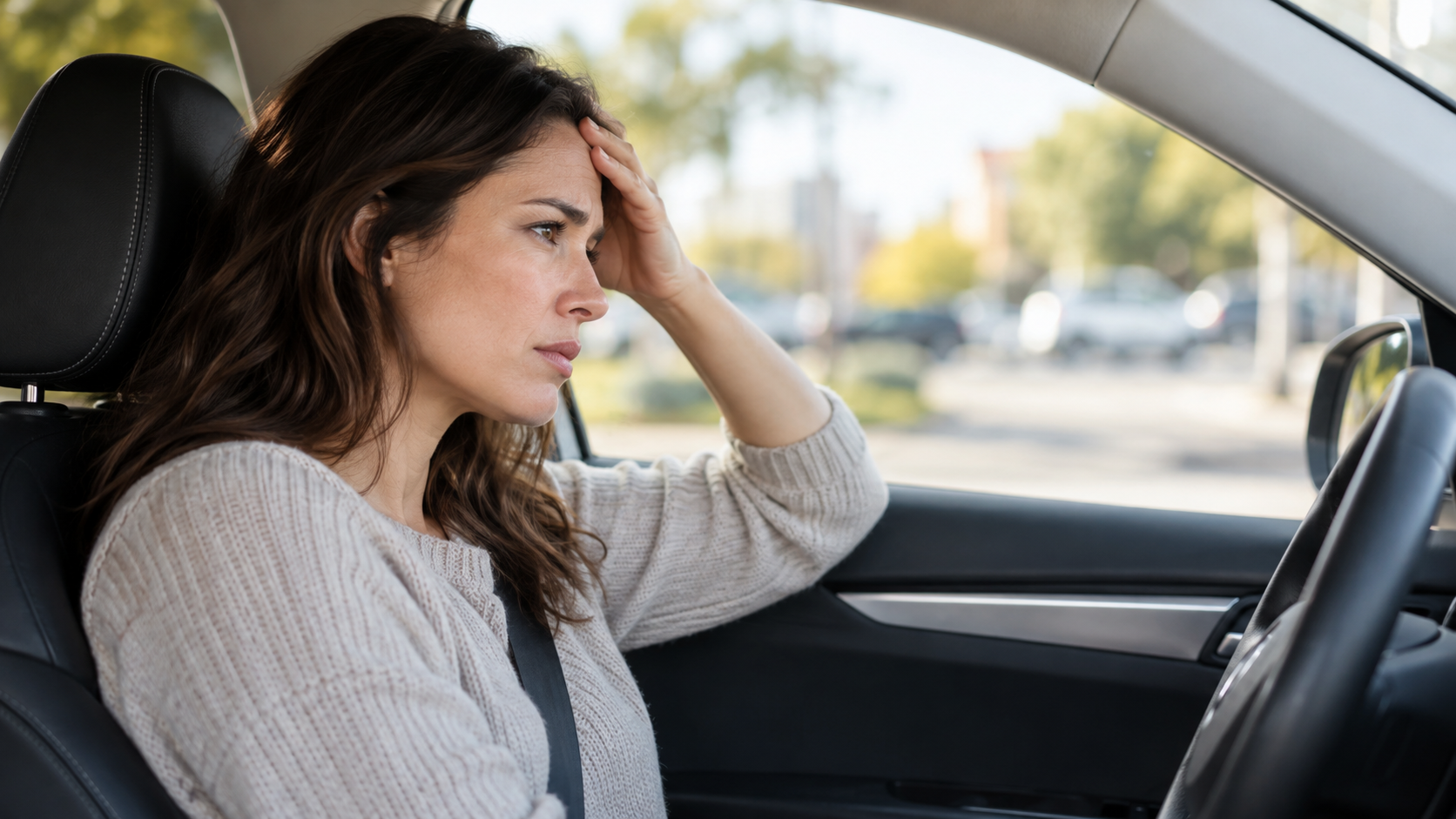
a woman exhibits signs of ptsd after a car accident

Can Psychological Injuries Affect a Car Accident Claim?

If PTSD or other emotional symptoms are connected to the crash, they may be part of a personal injury claim. Depending on the facts, the claim may include mental health care costs, lost income and emotional distress.

Unlike a broken bone, PTSD is not visible on an X-ray. An insurer may look at when your symptoms began and whether medical records connect them to the crash. It may also look at how the symptoms affect your work and daily life. A diagnosis can be important, but compensation depends on the facts and evidence in the case.

What Documentation Can Support a PTSD Claim?

Records can help connect your symptoms to the crash and show how they affect your life. Depending on the case, useful records may include:

  • Medical or mental health records showing symptoms and a diagnosis
  • Bills or records for counseling, therapy or other treatment
  • Employment records showing missed work or changes in job duties
  • Records showing changes in daily activities, relationships or routines

Together, these records can show when symptoms began, what care you received and how your daily life changed after the accident. The specific evidence needed depends on the facts of the case and the law that applies to the claim.

Get Legal Help for PTSD After a Car Accident

PTSD after a car accident can affect your work, relationships and daily routine, and those effects may also matter in a personal injury claim. Sargon Law Group can review how the crash has affected you, explain what records may help support your claim and discuss your legal options. 

If you’re dealing with emotional or psychological injuries after a crash, request a free consultation with a car accident attorney to learn more about your next steps.