Determining Who Is At Fault in a Ski Accident

Recent Blog Posts

How long after a slip and fall can you sue?
By Michael Morgan February 13, 2026
How long after a slip and fall can you sue? Learn what the statute of limitations for a slip and fall is in Arizona and when there are exceptions.
What are the most common causes of bus accidents?
By Michael Morgan February 10, 2026
Learn the common causes of bus accidents, including those involving public transit buses and school buses, and how negligence often leads to serious injuries.
Are motorcycles allowed in the carpool lane?
By Michael Morgan February 6, 2026
Are motorcycles allowed in the carpool lane? Learn carpool lane rules and your rights as a rider, plus when to contact a Phoenix motorcycle accident attorney.
What happens when a truck driver has an accident?
By Michael Morgan February 3, 2026
What happens when a truck driver has an accident? Learn about who investigates the crash, who is held liable, and when to file a truck driver accident lawsuit.
How long do slip and fall settlements take?
By Michael Morgan January 30, 2026
How long do slip and fall settlements take? Learn what factors influence slip and fall claims, typical case timelines and why every case is different.

This is paragraph text. Click it or hit the Manage Text button to change the font, color, size, format, and more. To set up site-wide paragraph and title styles, go to Site Theme.

A man in a suit and tie is walking down the street.

Determining Who Is At Fault in a Ski Accident

Skiing entails several risk factors that can contribute to an accident, which means it can be difficult to determine who is at fault in a ski accident when one occurs. If you have serious injuries that demand medical treatment, it is important to know who is at fault so you can effectively pursue the compensation you need.

Who Is Liable in a Ski Accident?

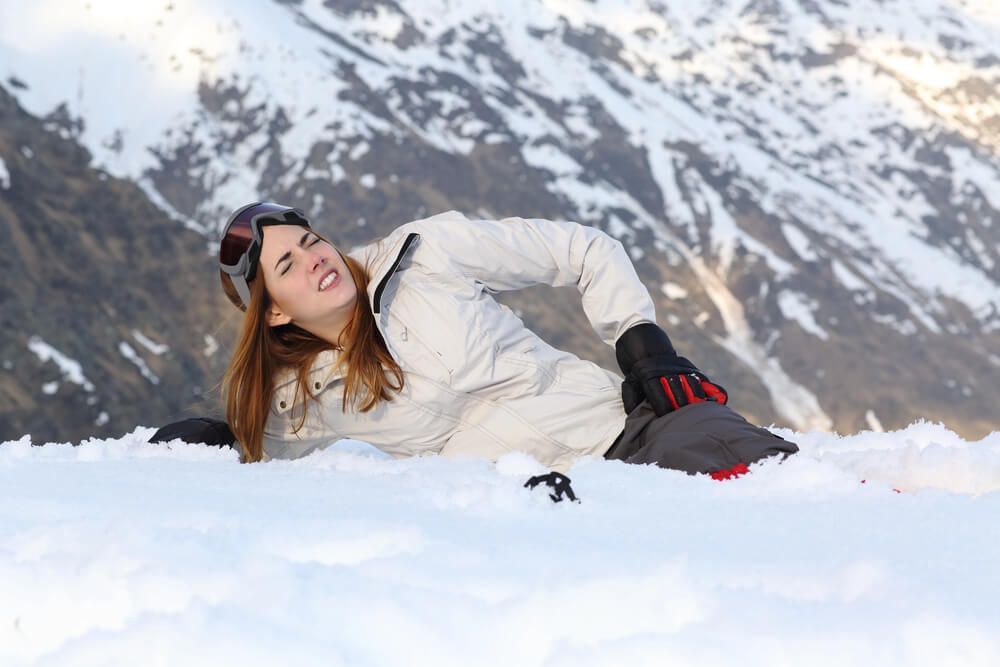
A woman is laying on her back in the snow.

The party liable in a ski accident is the one who was negligent or reckless. This could include one or more skiers, or even the ski resort itself.


In the 2023-’24 season, there were at least 15 fatalities on Colorado ski slopes alone. Skiing can be exceptionally dangerous if all participants do not observe safety procedures and uphold a standard of care toward one another.


All skiers on the slope should follow a certain code of conduct, which includes:


  • Staying in control of one’s actions at all times
  • Respecting the skiing right of way
  • Heeding any posted warnings or signs
  • Maintaining a safe distance from other skiers
  • Not obstructing a trail or slope when stopping


If an accident occurs because a skier violated this commonly accepted code, they may be liable due to their negligence. The ski resort could also be liable if its owners or staff members were negligent in maintaining a reasonably safe environment for guests and skiers.

Who Has the Right of Way While Skiing?

The person ahead of a skier always has the right of way. Skiers must take every reasonable measure to avoid colliding with a person in front of them. This means yielding the right of way, maintaining a safe distance and being cautious and communicative when attempting to overtake a downhill skier.


However, a skier who is not currently in motion must yield the right of way to uphill skiers. A person must look uphill and wait for incoming skiers to pass before beginning a descent or merging onto a slope.

Is the Uphill Skier Always At Fault?

It is a misconception that the uphill skier is always at fault in a ski accident. This misconception exists because the uphill skier is typically responsible for avoiding collisions, as they have a clearer view of the skiers below. It is not reasonable to expect the downhill skier to be fully aware of other skiers behind and above them, so the uphill skier is often responsible for preserving the right of way. However, each situation is unique, and fault can depend on the specific actions of both skiers. Determining who is at fault in a ski accident often comes down to who violated the right of way.


Downhill skiers may be at fault if they obstruct a trail or stop somewhere that uphill skiers cannot see them. As with uphill skiers, a downhill skier might also bear some or all of the liability if they behave recklessly, proceed downhill excessively fast or ski beyond their skill level.

When Is the Ski Resort Liable for the Accident?

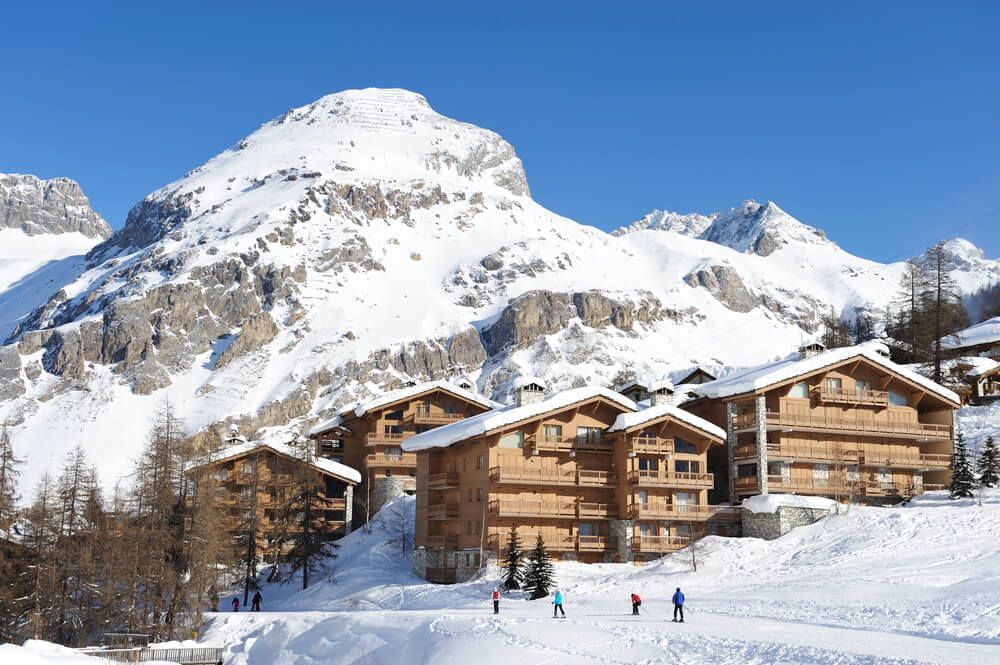
A group of people are walking in the snow in front of a snowy mountain.

The ski resort that manages the slope where your accident took place could be liable if they neglected to adequately maintain the area for skiers and guests. Ski area operators have an obligation to make a reasonable effort toward keeping the slope safe for skiing.


There should also be clear signage and warnings that indicate any unusual hazards or higher-difficulty ski trails. Unintuitive slope design and confusing signage could also be valid grounds for a premises liability claim if an accident occurs. Ski resort staff should clearly partition off any areas that are unsafe for visitors.


Ski area operators can even be liable for accidents if they do not respond to harmful conditions in a timely manner. If a resort guest is endangering other skiers with reckless behavior, staff members should promptly remove them from the premises. There should also be measures in place to address medical emergencies before an injury can worsen due to the resort’s carelessness.

Are Skiers Responsible for Their Own Injuries?

Skiing is an extreme sport in the eyes of the law, which means skiers may be responsible for their own injuries. When determining who is at fault in a ski accident, it is impossible to dismiss the possibility that the injured skier might bear some of the liability.


Choosing to participate in skiing means accepting certain inherent risks. Depending on the nature of the accident, it might not be possible to hold any other party at fault for the injuries you sustain in a skiing accident.


You might be accountable for your own injuries unless another skier or the ski resort itself exhibits blatant negligence that caused your injury. This is because you are accepting accountability for the risks when you choose to ski, especially if the ski area operator requires you to sign a waiver before hitting the slopes. The law considers it reasonable to expect a certain possibility of injury even when all parties observe proper safety practices.

How Can an Attorney Help With a Ski Accident Claim?

A woman is sitting at a desk talking on a phone.

With so many factors that can contribute to a ski accident, it is important to immediately contact an attorney who can help you untangle the web of fault. Having a capable legal team on your side will give you the best chance at recovering the full amount of compensation you deserve.


The Phoenix, AZ premises liability attorneys at Sargon Law Group can help you after a ski accident by:


  • Investigating the cause of your ski accident
  • Collecting evidence to determine who is at fault for your injuries
  • Managing paperwork, including insurance claims and medical records
  • Negotiating with the other party on your behalf
  • Representing you in court if litigation becomes necessary


Before pursuing a ski accident claim, it is a good idea to have an attorney review any waivers you signed before skiing. If the ski resort’s negligence contributed to your accident, they might try to use the waiver to shield themselves from liability. Your legal team can help you overcome this obstacle.

Sargon Law Group Can Help Prove Who Is At Fault in a Ski Accident

Ski accidents can lead to serious injuries and legal complications, but you are not alone in determining who is at fault in your ski accident. Our team of Phoenix personal injury lawyers at Sargon Law Group represent injured skiers in Arizona, California, New Mexico and Colorado. Contact us today to schedule a free consultation for your case.