
How Is Black Ice Accident Fault Determined?
Recent Blog Posts





How Is Black Ice Accident Fault Determined?
When a black ice accident happens, fault comes down to whether someone could have handled the icy conditions better, not just the fact that the ice was there.
Key Takeaways
- Even though black ice is hard to see, someone can still be at fault if they didn’t take reasonable steps to prevent or fix the danger.
- The person or group in charge of the property—such as a homeowner, landlord, business, HOA, contractor, or city—may be responsible for the black ice accident if they failed to act.
- Arizona law allows fault to be divided in a personal injury, meaning responsibility can be shared between multiple parties, including the injured person.
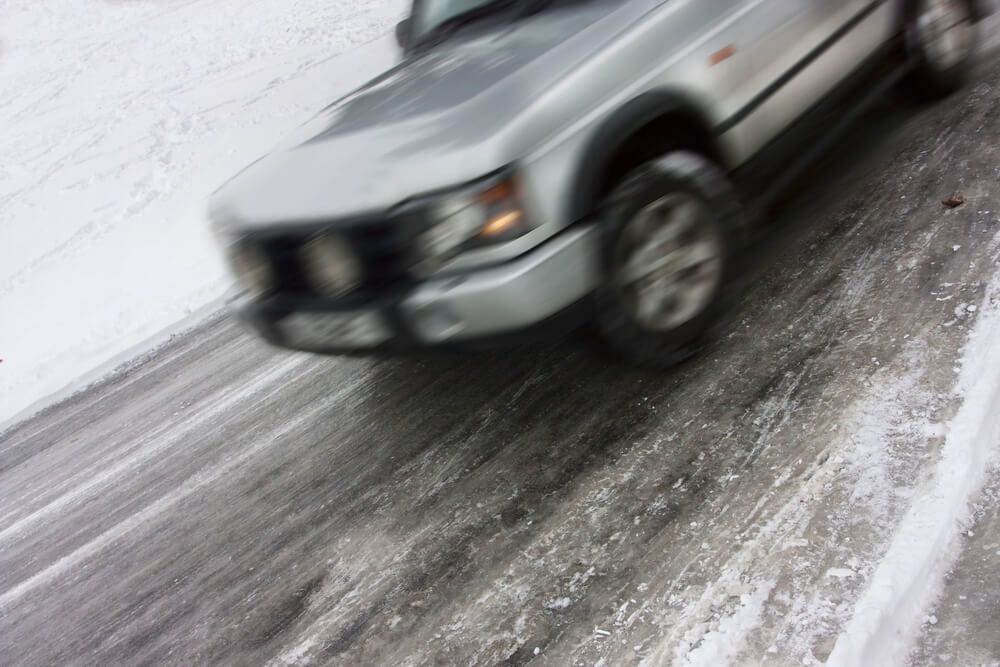
Black ice is a thin, transparent layer of ice that forms when moisture freezes quickly on cold surfaces. It’s called “black” because it’s almost invisible against dark pavement, which is very dangerous. When your tires hit this slick surface, you can suddenly lose traction and crash into something. Pedestrians can slip and suffer broken bones.
Because black ice is hard to see, people often assume these accidents are unavoidable. However, every accident is different, and Arizona law looks at black ice accident fault by examining whether someone could have taken reasonable steps to prevent or address the icy condition.
Is Black Ice an At-Fault Accident?
Black ice accidents are not automatically at-fault. If you were injured in one, fault depends on whether someone failed to act reasonably under the conditions. To prove negligence, you must show four elements:
- Someone owed you a duty of care
- They breached that duty
- Their actions caused your injury
- You suffered damages
In other words, the key issue is often not the presence of black ice itself, but whether someone took reasonable steps to prevent or respond to it. That could mean a driver didn’t slow down and caused a minor car accident, a property owner didn’t remove or treat ice in time, or a city ignored a known icy roadway.
Who Can Be Held Liable for Black Ice Accidents?
Insurance adjusters determine fault by looking at who was responsible for maintaining the area and whether basic safety measures were taken to address the ice. In some cases, more than one party can be responsible for the same accident.
Property Owners
If you were injured on someone else’s property, the owner may be at fault for the black ice accident because they control the overall condition of the land, even when others handle day-to-day maintenance. Property owners have a legal duty to keep their premises reasonably safe for visitors. That includes watching for hazards like black ice and dealing with them in a reasonable amount of time. If an owner knew, or should’ve known, about icy conditions and didn’t shovel, salt or warn people, that can be a breach of duty.
Even though snow is rare in much of Arizona, places like Flagstaff get heavy snowfall. Local rules give owners 24 hours to clear snow and ice from sidewalks. If you slipped on an icy driveway or walkway that remained untreated because the owner failed to act, they could be responsible for your medical bills and other losses.
Homeowners
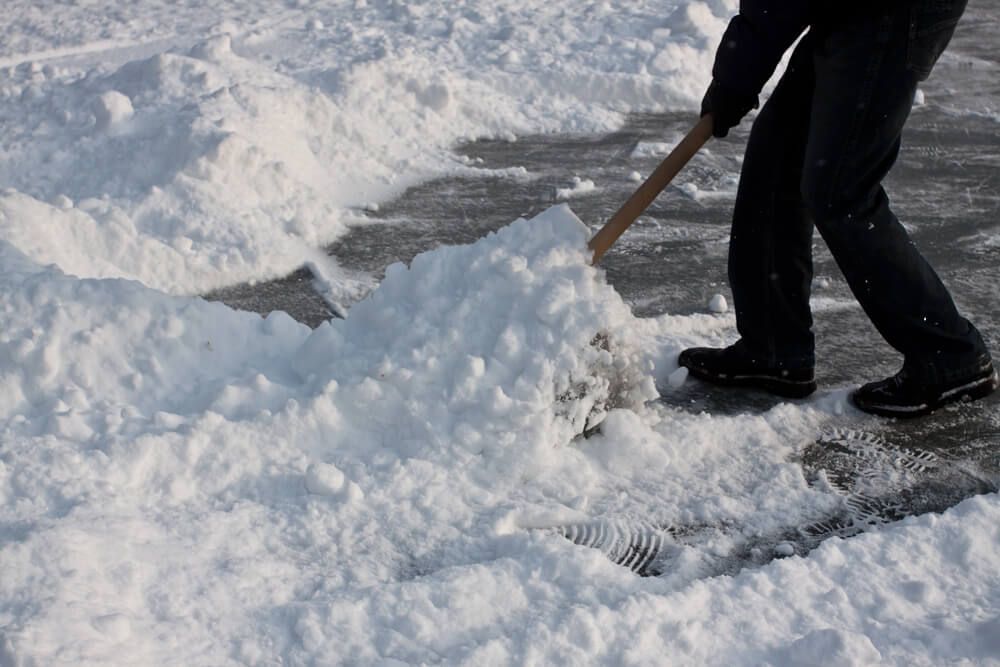
If you slipped and fell on black ice at someone’s home, you’ll typically make the claim against their homeowners’ insurance. That doesn’t mean the homeowner is off the hook. If they failed to remove snow or ice when they should’ve, they can still be liable.
Many homeowners use alternatives like sand or kitty litter instead of salt on ice, especially in pet-friendly areas. If those measures didn’t provide reasonable traction or weren’t applied in time, a homeowner can still be liable if someone was injured.
Landlords
If you were injured in a black ice accident at your rental property, the landlord may be responsible. Landlords usually have a duty to clear snow and ice from common areas like parking lots, stairs and shared walkways.
In multi-unit buildings, landlords generally can’t shift that duty to tenants. Even if the lease says snow and ice removal is the tenant’s job, that won’t always protect the landlord. Courts often treat those duties as non-delegable, meaning the landlord stays responsible no matter what the lease says.
In a single-family rental, if the lease clearly puts snow and ice removal on the tenant, and the landlord warned the tenant about the condition, a court may find the tenant primarily responsible. If you slipped after the renter ignored a known hazard they were responsible for fixing, that renter’s inaction can count as negligence.
However, the landlord may still be responsible for public sidewalks, hazards they created or controlled, or “unnatural” ice caused by things like leaking gutters or poor drainage. Arizona also allows comparative negligence, so partial fault for a black ice accident can be shared.
Business Owners
If you slipped outside a store, office or restaurant, the business owner may be liable. Businesses owe a duty of care to customers, employees and visitors. That includes keeping entrances, sidewalks and parking lots reasonably safe.
If snow or ice gets tracked inside and no one treats it, or if a business doesn’t salt outdoor areas after a storm despite heavy foot traffic, that can support a slip-and-fall claim. Businesses may hire maintenance crews, but they don’t shift responsibility to those crews automatically. If poor maintenance leads to an injury, the business can still be held accountable.
Government Entities
If your injury happened on a public road or sidewalk, a city or state agency may be responsible. This often comes up when an untreated roadway causes a black ice car accident, such as sliding through an intersection or losing control on a bridge. Governments are expected to use reasonable care to keep public areas safe and to warn people about known hazards like black ice.
Some Arizona cities require nearby property owners to clear sidewalks, while others handle maintenance themselves. If a government agency knew, or should’ve known, about an icy condition and didn’t act, it may be liable. Personal injury claims against government entities often have strict notice rules and short deadlines, so it’s important to act quickly if a public area caused your injury.
Homeowners’ Associations

If you were injured in a planned community, the HOA may be at fault for a black ice accident. HOAs usually control common areas like private roads, shared sidewalks and parking lots. When they handle maintenance, they owe residents and guests a duty to keep those areas reasonably safe from black ice and other hazards.
If an HOA delayed snow removal, ignored a known icy spot or failed to supervise a contractor, that can amount to negligence. Claims are often made against the HOA’s insurance. Reviewing the HOA’s rules can help clarify who was responsible for snow and ice removal where you fell.
Snow Removal or Maintenance Contractors
If a contractor was hired to plow or salt and did the job poorly or made conditions worse, they may also be liable. Contractors can be responsible if they fail to remove ice, show up too late or create a new hazard.
Get Legal Help Determining Fault After a Black Ice Accident
Proving fault in a black ice accident can be difficult because insurance companies often dispute fault by using the weather as an excuse to avoid paying what you deserve. You shouldn't be stuck with expensive medical bills just because of a patch of ice you couldn't see.
The team at Sargon Law Group knows how to handle these challenging cases and stand up to aggressive adjusters. We even work on a contingency basis, which means you don't pay us anything unless we win your case.
Don't let an unfair dispute or a missed deadline ruin your chance at a full recovery. Contact Sargon Law Group today to schedule a free consultation with a dedicated
Phoenix car accident attorney.