
What Evidence Do You Need for a Car Accident Claim?
Recent Blog Posts



What Evidence Do You Need for a Car Accident Claim?
Evidence is what makes or breaks a car accident claim, and the window to collect it closes fast.
Key Takeaways
- The evidence you gather right after a crash forms the foundation of any injury claim.
- Police don't collect all the evidence you'll need for a car accident claim. Much of the documentation that supports your claim is your responsibility to gather and preserve.
- Good car accident evidence includes photos of the scene, witness contact information and a copy of the police report.
- Medical records, proof of lost income, repair estimates and insurance communications are all part of building a complete car accident case.
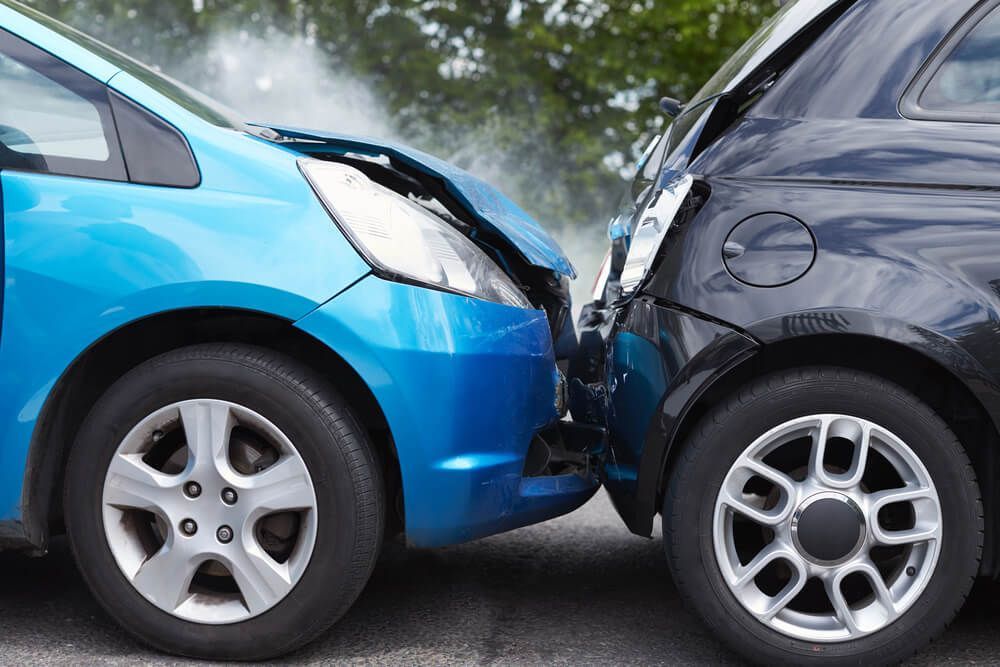
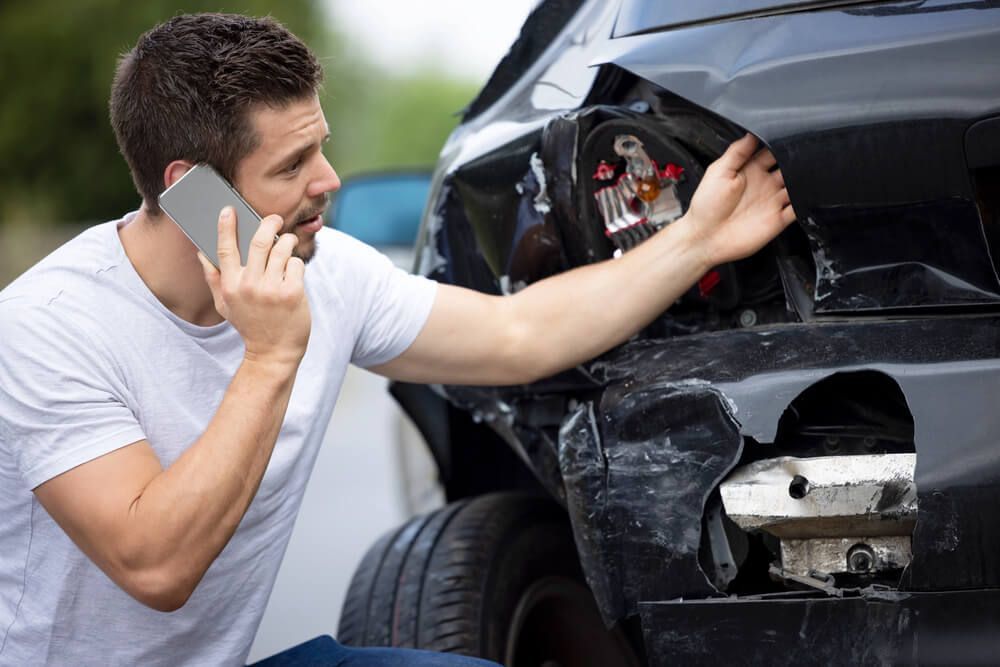
You probably won’t think much about gathering documentation when you're standing on the side of the road with a busted bumper and a racing heartbeat. But the actions you take after a crash directly shape what you can recover in a personal injury claim. Car accident evidence turns your account of what happened into something an insurance company or jury has to take seriously.
This guide breaks down exactly what evidence you need after a car crash, who's responsible for collecting it and how to protect yourself, whether you walked away uninjured or ended up in an ambulance.
Why Should You Get Car Accident Evidence?
Insurance adjusters are trained to look for gaps in documentation, and they'll use those gaps to challenge your car accident claim, reduce the payout or deny it entirely. Your evidence makes it harder for insurance companies to spin the narrative.
You should collect car accident evidence as soon as possible because it disappears quickly. Skid marks fade. Surveillance footage gets overwritten. Witnesses move on. The sooner you start gathering documentation, the stronger your case may be.
Will Police Collect Evidence After an Accident?
Police play an important role at a car crash scene, but they don't collect evidence on your behalf. An officer will document the basics of the accident:
- The date of the accident
- The location of the accident
- The vehicles involved
- Any visible damage
- Statements from drivers and witnesses
- The officer’s assessment of fault
That report is valuable, and you'll want a copy of it. But that's roughly where official documentation ends. Officers won't photograph every angle of your injuries, track down the contact information of bystanders who walked away or pull your medical bills together weeks later. That means the broader body of evidence that supports a personal injury claim is largely on you to compile and preserve.
How Do You Collect Evidence at an Accident Scene?
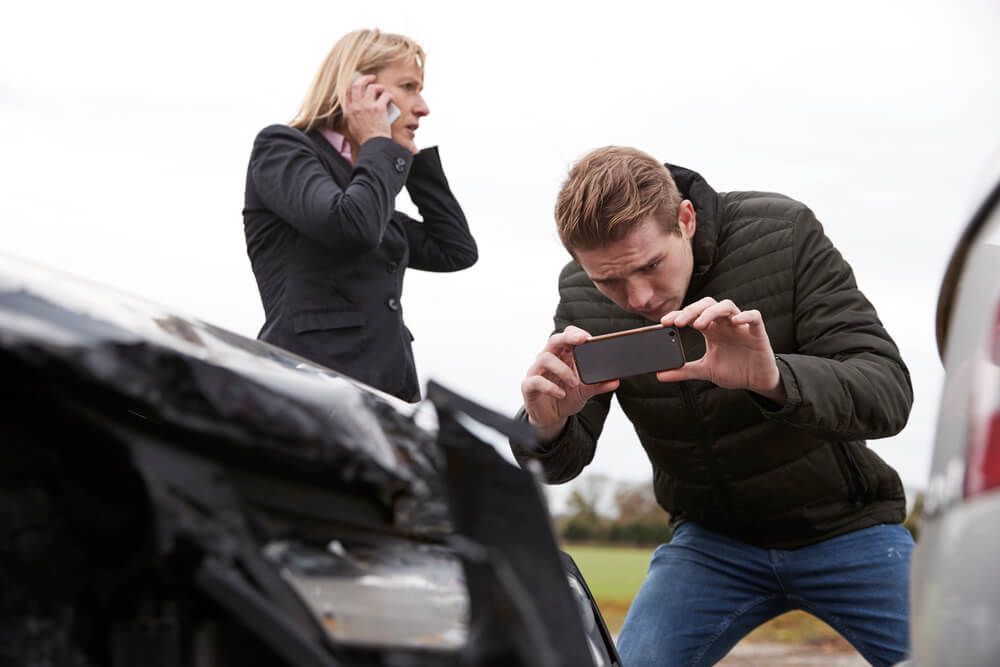
If you're physically able to move around after a car accident, your phone is your most important tool. Start taking photos and videos before anyone moves the vehicles if it's safe to do so. You’ll want pictures of:
- Vehicle positions
- Point of impact
- Damage
- Road conditions
- Traffic signals
- Skid marks
- Any visible injuries on your body
Ask witnesses for their names and contact information before they leave. Bystander accounts often carry significant weight later, and people don't always come forward on their own. Get the other driver's insurance details, license plate number and driver's license information as well.
If You Weren’t Hurt
If you feel fine at the scene, still document everything. Some injuries, including whiplash and soft tissue damage, don't produce obvious symptoms for hours or even days. Getting a same-day medical evaluation creates a baseline record of your condition, even if nothing seems wrong. Without it, an insurer can argue that any pain you report later was unrelated to the crash.
Keep every receipt, every repair estimate and every communication you receive from the other driver's insurance company. Even a minor fender-bender can produce unexpected costs.
If You Were Injured
If you were injured in a car accident, seek medical attention immediately, even if you think your injuries are manageable. Follow your doctor's treatment plan consistently and keep a record of every appointment, prescription, therapy session and medical bill. Gaps in treatment give insurers room to argue that your injuries weren't serious or that something else caused them.
Write down your own account of the crash while the details are still fresh. Note what you saw, heard and felt. Keep track of how your injuries are affecting your daily life, including missed work, trouble sleeping and activities you can’t do anymore. This record can help show the pain, stress and day-to-day impact of your injuries.
What Evidence Actually Matters in a Car Accident Case?
Not all car accident evidence carries equal weight. Here's what tends to have the most impact when building a claim.
Photos and Videos
Visual evidence is immediate and hard to dispute. Photos of vehicle damage, road conditions, injuries and the overall crash scene help establish what happened and how serious it was. If there are traffic or security cameras nearby, your attorney may be able to request that footage before it's deleted.
Police Reports
The police report is great evidence. It may include what the officer saw, who was given a ticket, and who the officer thinks caused the crash. Ask your local law enforcement agency for a copy of the report as soon as it’s ready.
Medical Records and Bills
Your medical records help connect your injuries to the crash. These records may include emergency room notes, test results, diagnoses, treatment plans and medical bills. They help show how badly you were hurt and how much your care cost.
Witness Statements
An independent eyewitness is some of the best car accident evidence you can have to help back up your side of the story. That’s important because they’re not one of the drivers involved. Witness statements are most helpful when you get them soon after the crash, while the details are still fresh.
Proof of Lost Income
If your injuries kept you from working, you may be entitled to recover those lost wages. Documentation can include pay stubs, employer statements, tax returns or a letter from your supervisor confirming the time you missed and your rate of pay.
Repair Estimates and Property Damage Records
Get written estimates from at least one repair shop. Keep receipts for rental cars, rideshares or other transportation you paid for because your car couldn’t be driven. If your car was totaled, you’ll also need proof of what it was worth before the crash.
Expert Opinions
In cases involving serious injuries or disputed liability, expert analysis can be pivotal. Accident reconstruction specialists can explain how a crash occurred. Medical professionals can speak to the long-term impact of your injuries. Economic experts can project future lost earnings if you're unable to return to your previous job.
Insurance Company Communications
Save every email, letter and text from the insurance company. Record the date and content of any phone conversations. What an adjuster says early in the process can sometimes conflict with the insurer's later position, and having a paper trail can strengthen your car accident claim.
Let Sargon Law Build a Strong Case From Your Car Accident Evidence
Knowing what car accident evidence to collect is one thing. Knowing how to use it to build a compelling case is another. Sargon Law Group represents people across Arizona, California and Colorado who've been injured through no fault of their own.
Our firm handles personal injury claims on a contingency fee basis, meaning you pay nothing unless we recover compensation for you. You get a direct line to the attorney working your case, not a case number passed around a call center.
If you've been in a crash and you're not sure what to do, talking to a car accident attorney at Sargon Law Group is a great place to start. Reach out today for a free consultation.