
What To Do After a Car Accident in Phoenix
Recent Blog Posts




What To Do After a Car Accident in Phoenix
A crash in Phoenix sets off a chain of legal duties, reporting rules and deadlines that most drivers never think about until they're standing on the shoulder of the freeway. Which rules apply depends heavily on where the collision happened and how serious it was.
Key Takeaways
- Arizona law requires drivers to stop, exchange identifying information and give reasonable help to anyone who is hurt, including after crashes on private property like parking lots.
- Jurisdiction depends on location. Phoenix police handle most crashes on city streets, while the Arizona Department of Public Safety handles crashes on state highways and freeways.
- An officer who investigates a crash must complete a written report when there's an injury, a death, more than $2,000 in property damage or a traffic citation.
- Arizona follows comparative fault, which means a share of the blame reduces the compensation available by that percentage instead of erasing the claim.
- Most Arizona injury lawsuits have a two-year filing deadline, but a claim involving a city or other public entity generally requires a written notice of claim within 180 days.
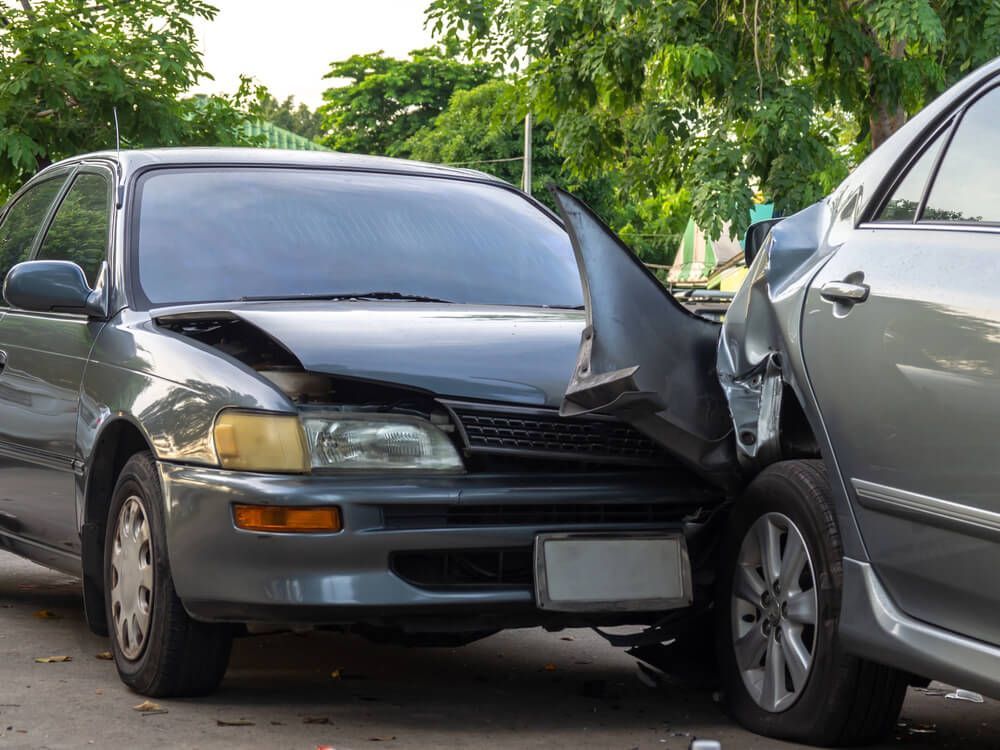
Phoenix drivers face sun glare, heavy monsoon rain, road construction and busy freeways. After a crash, the steps you take can affect your safety and your claim. Knowing what to do after a car accident in Phoenix means following Arizona law and using the right local police and records systems.
What Should You Do After a Car Accident in Phoenix, Arizona?
Here are the most common steps you should follow if you were in a car accident in Phoenix.
Check for Injuries and Call 911
Check whether anyone is hurt. Call 911 if someone is injured, the road is blocked or there’s an immediate safety threat. Arizona law requires drivers to stop after a crash that causes injury, death or vehicle damage. Drivers must exchange the required information and provide reasonable help to anyone who is hurt. These duties apply on public roads and private property, including parking lots.
If you hit an unattended vehicle and cannot find the owner, leave a visible note with the name and address of the driver and vehicle owner. If you damage a sign, pole, guardrail or other property, take reasonable steps to notify the owner.
Contact the Correct Phoenix-Area Law Enforcement Agency
The agency that should handle the car crash depends on where it happened. Phoenix Police handles most crashes on city streets. The Arizona Department of Public Safety handles crashes on interstate highways and state freeways through Phoenix.
Call 911 for injuries, blocked roads or immediate safety threats. For a nonemergency crash on a Phoenix street, call Crime Stop at 602-262-6151. For a nonemergency crash on a state highway or freeway, call DPS at 602-223-2000 and select option 8.
Move Operable Vehicles Out of Traffic When It’s Safe
Whether you should move your vehicle depends on the severity of the crash and whether the vehicle can be driven safely. Arizona has a quick-clearance rule for divided and multilane roads. When there's no apparent serious injury or death, and your car still drives normally without a tow, you're expected to move it off the main travel lanes to a safe spot.
Arizona law specifically says that relocating a car under the quick-clearance rule doesn't, by itself, make you responsible for causing the collision. The quick-clearance requirement doesn’t apply when serious physical injury or death is apparent. In those cases, avoid moving the vehicles unless emergency personnel direct you to do so or leaving them in place creates an immediate safety danger.
Understand When Arizona Requires an Accident Report
Drivers must notify police right away when a crash causes injury or death. An investigating officer must prepare a report when the crash involves injury, death, more than $2,000 in property damage or a traffic citation.
DPS also allows online reports for certain crashes on state highways. The crash must involve no injuries, no more than two vehicles and less than $2,000 in damage. This option provides a report number but no investigation.
Exchange the Information Arizona Law Requires
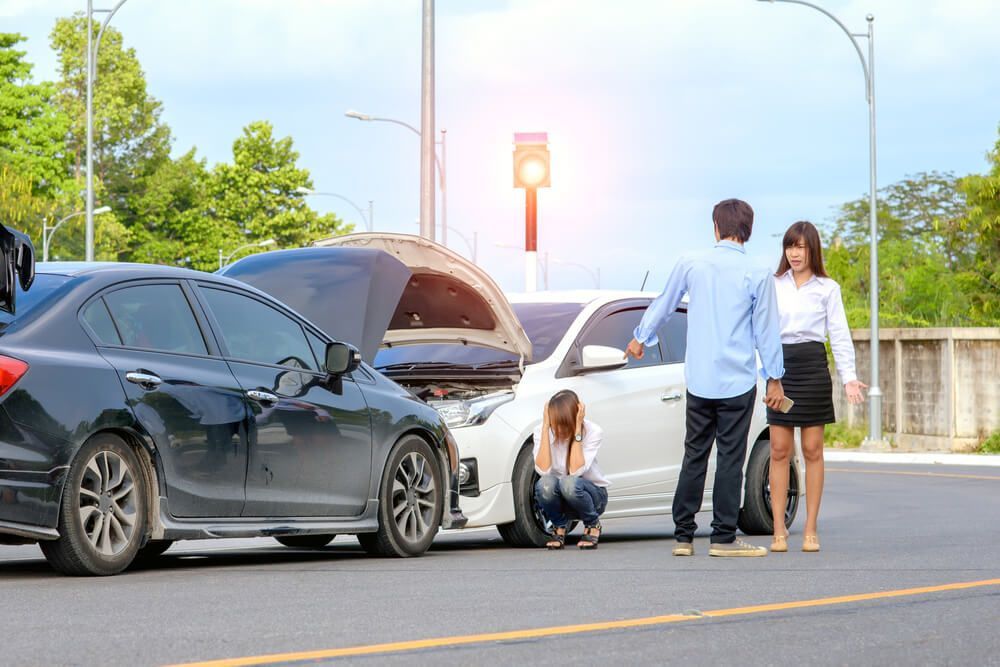
Before leaving the scene, Arizona law requires drivers to share their name, address, and vehicle registration number. A driver must also show their driver’s license if the other person asks to see it.
After any car accident in Phoenix, try to collect the following:
- Names, addresses, and phone numbers
- Driver’s license and vehicle registration information
- Insurance company names and policy numbers
- Email addresses
- Vehicle descriptions and license plate numbers
When it’s safe, take photos of the other driver’s license, insurance card, and license plate. Photos are often more accurate than handwritten notes.
Also check that the name on the documents matches the driver. Make sure the insurance policy covers the vehicle involved in the crash.
Photograph and Document the Crash
Photos and video you take at the scene, ideally before the vehicles get moved or towed, are some of the strongest evidence an injury claim can have. Useful shots include:
- Damage to every vehicle
- The positions of the vehicles
- Skid marks and debris
- Traffic signals and lane markings
- Road and lighting conditions
- Any visible injuries
Phoenix car accidents often involve details that are easy to miss. Take photos of anything that may have played a role in the accident, such as:
- Bright sun glare at the time of the crash
- Blowing dust
- An active construction zone
- A traffic signal that was not working correctly
- A temporary lane shift
Write down the time of the crash, the direction you were traveling, and what you remember. Do this as soon as possible, while the details are still fresh.
Never stand in a traffic lane to take photos. Pictures may help your claim, but your safety should always come first.
Avoid Guessing About Fault
Give the police a truthful account of the car accident. Be clear about what you actually saw and what you’re only guessing about. Under stress, it’s easy to misjudge speeds, distances, injuries, or what another driver did.
Don’t admit fault at the scene. Arizona’s insurance regulator advises drivers to discuss the accident only with the police and their own insurance company. Even a quick apology meant to calm the situation could later be treated as an admission of fault.
Seek Medical Care and Follow Treatment Instructions
Accept care from paramedics at the accident scene if it’s offered. See a doctor afterward if you notice pain, dizziness, confusion, numbness, or any other concerning symptoms. Adrenaline can hide pain, and some car accident injuries, including concussions and soft tissue injuries, may not appear until hours or days later.
Getting medical care quickly protects your health and creates records connecting your injuries to the car accident. Long gaps in treatment may give the insurance company a reason to argue that your injuries weren’t serious, came from another cause, or became worse because you didn’t follow medical advice.
Attend follow-up appointments and follow your doctor’s instructions about medications, activity limits, and treatment. Keep copies of referrals, test results, prescriptions, and written care instructions.
Report the Accident to Your Insurance Company
Tell your insurance company about the car accident as soon as possible, even when you’re sure the other driver caused it. Most insurance policies require you to report a crash and cooperate with the claim process. Waiting too long could create problems, no matter who was at fault.
Give the insurer complete and accurate information, but don’t guess about fault, how serious your injuries are, or how long your recovery may take. The Arizona Department of Insurance and Financial Institutions recommends filing claims quickly, providing correct information, and keeping records throughout the process.
Review All Available Insurance Coverage
How much money is actually available to you after a car accident in Phoenix comes down to the policies involved, and Arizona's minimum liability limits are commonly written as 25/50/15:
$25,000 for injury or death to one person
$50,000 when two or more people are hurt in the same crash
$15,000 for damage to someone else's property
Those limits aren’t a promise that enough coverage exists to cover the crash.
Your own uninsured or underinsured motorist coverage may also help when the at-fault driver has no insurance or not enough insurance.
Request the Phoenix Police or DPS Accident Report

Getting a copy of the car accident report means contacting the agency that investigated the crash. If Phoenix police handled it, submit a request through the department’s public records portal under the “Traffic Crash” category. If DPS investigated, use the Arizona DPS Public Services Portal.
Read the report closely. Check the names, contact details, insurance information, vehicle descriptions, crash location and witness details. Also look for statements listed under the wrong driver, since insurers and attorneys may repeat errors.
Insurers and attorneys often use the report to investigate a car accident claim, but it doesn’t decide who is legally at fault. Whether part of the report can be used in court depends on its contents and the rules of evidence.
Preserve Additional Evidence Before It Disappears
After a car crash in Phoenix, the police report may leave out important evidence, and some evidence can disappear quickly. Make sure to save the following:
- Dashcam footage and cellphone photos or videos
- Towing, storage and repair records
- Damaged property, such as a phone, helmet or car seat
- Vehicle or event data recorder information
- Text messages exchanged with the other driver
- Names of nearby businesses or homes with security cameras
Surveillance video may be recorded over within days, so identify possible cameras early. In serious cases, a formal preservation request may be needed to stop a business or government agency from deleting the footage.
Don’t dispose of the vehicle or make major repairs until your insurer has had a fair chance to inspect it. When emergency repairs can’t wait, take photos and keep every receipt.
Learn How Arizona’s Comparative Fault Rule May Affect Your Claim
Arizona uses comparative fault, so being partly responsible for a car accident doesn’t automatically prevent you from recovering compensation. Instead, your damages are reduced by your percentage of fault. If you’re found 20% responsible, a $100,000 recovery would be reduced to $80,000.
The other driver may argue that you were speeding, distracted, following too closely or not wearing a seat belt. Arizona law allows the person deciding the case to consider the actions of the claimant, the defendants and certain other parties when assigning fault. Photos, witness names, prompt medical care and careful statements can help you or your attorney respond to those arguments.
Even a small increase in your share of fault can reduce your compensation by thousands of dollars. That’s why having thorough documentation after a Phoenix car accident is so important.
Keep Records of Your Injuries, Expenses and Lost Income
Keep one organized car accident file with the following documents:
- Medical bills
- Insurance statements
- Prescription and medical equipment costs
- Mileage and parking fees for appointments
- Towing and repair bills
- Rental car expenses
- Pay stubs
- Employer letters showing missed work
Keeping these records in one place makes it easier to track your losses and provide documents during the claim.
A car accident claim in Phoenix may include more than medical bills and vehicle repair costs. Photos of your injuries and short notes about your pain, physical limits and activities you’ve had to give up can document losses that receipts don’t show.
Be Careful When Speaking With the Other Driver’s Insurance Company

The other driver’s insurance company works for its policyholder, not for you. An adjuster may ask for a recorded statement, request a broad medical authorization or offer a settlement before anyone knows how your injuries will heal.
Make sure you understand what the insurer is asking for and how it may use the information before giving a recorded statement or signing anything. The insurer may use your statements to place part of the blame on you.
Review any release carefully because signing one usually closes the claim. You may not be able to reopen it if new injuries or expenses appear later. When deciding when to hire a lawyer, consider speaking with one if you suffered serious injuries, fault is disputed, the insurer is blaming you or the settlement offer won’t cover your losses. You should also get legal advice before accepting a settlement or signing a release.
Know Arizona’s Deadlines for Filing a Lawsuit
Arizona generally gives you two years to file a lawsuit for personal injuries or property damage after a car accident. That’s not a reason to wait. Evidence can disappear, witnesses can move, and your insurance policy may have notice deadlines that come much sooner.
Claims involving a government agency or public employee have much shorter deadlines. For example, a claim against the City of Phoenix, another public agency, or a government employee generally requires a formal notice of claim within 180 days. A lawsuit usually must be filed within one year. These shorter deadlines may apply when a car accident involves:
- A city or other government vehicle
- Dangerous road conditions
- A broken or malfunctioning traffic signal
- Unsafe road construction
- A public employee driving for work
The exact deadline depends on the facts of the case, including when the claim began and which parties may be responsible. It’s easier to sort out those details early than to discover a deadline when it’s about to expire.
Get Answers About What To Do After a Car Accident in Phoenix

If you’re trying to decide what to do after a car accident in Phoenix, you need an experienced legal team in your corner. Sargon Law Group represents injured crash victims across Arizona, California, and Colorado, taking complete ownership of your claim from the initial investigation through trial.
Our attorneys bring decades of combined experience to complex cases involving severe injuries, disputed fault, and commercial drivers. Your personal injury consultation is always free, and you pay nothing unless we recover compensation for you. Call Sargon Law Group today to discuss your options with a
Phoenix car accident attorney.