
What Happens If a Child Is Involved in a Car Accident?
Recent Blog Posts





What Happens If a Child Is Involved in a Car Accident?
A child's car accident claim has different rules from an adult’s claim, with extended deadlines, court oversight and restricted settlement funds all built in to protect the child.
Key Takeaways
- Every state gives children extended deadlines to file a car accident claim, often pausing the clock until the child turns 18.
- A parent or guardian typically files a child’s personal injury claim, but courts require oversight to make sure the settlement actually serves the child.
- Compensation may cover a child's medical costs, pain and suffering and future treatment, though no fixed dollar amount applies to every case.
- Settlement funds for an injured child are usually restricted until adulthood, whether through a blocked account, a trust or structured payments.
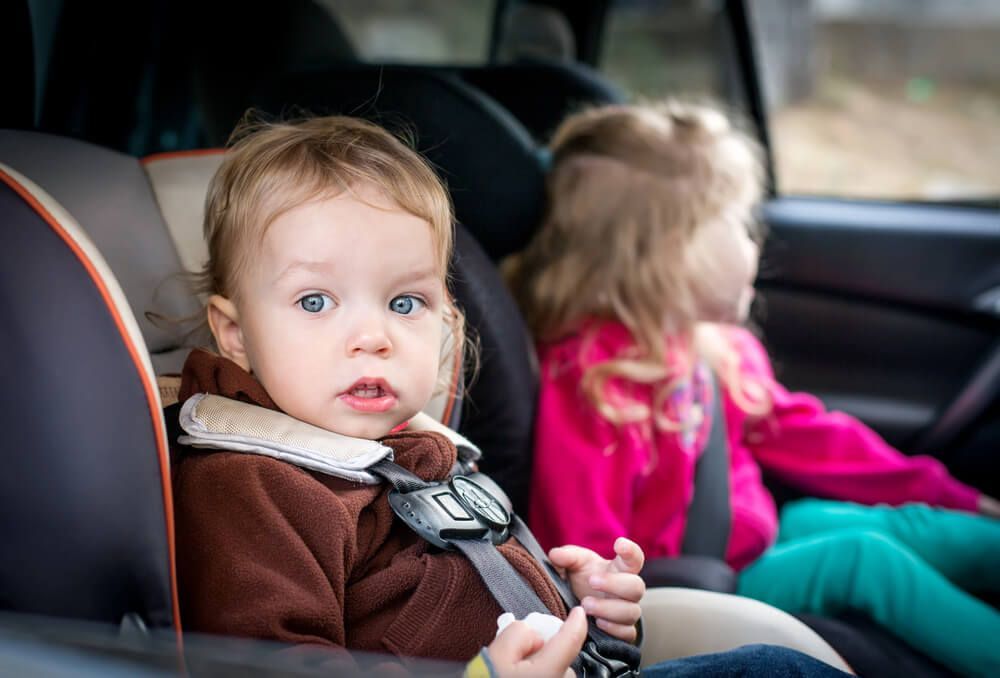
One moment your child is buckled into the back seat on the way to school. The next, you're standing on the side of the road checking for cuts and bruises while sirens close in. When a minor child is involved in a car accident, the physical and emotional aftermath usually comes first, but a string of legal questions follows close behind.
Who can file a personal injury claim? How much time do you have to do so? Can a child collect settlement money? This guide walks through what typically happens if a child under the age of 18 gets in a car accident, from immediately after the crash to the eventual settlement.
What Should You Do If Your Minor Child Was Involved in a Car Accident?
If your minor child was in a car accident, get medical care first, even if the injuries look minor. Children don't always show pain the way adults do, and some injuries, like concussions or internal bruising, take time to show symptoms. A pediatrician or emergency room visit creates a medical record that ties any injury to the crash.
Once your child is safe, gather what you can from the scene: photos of the vehicles, contact information for witnesses and a copy of the police report once it becomes available. The steps you take right after an accident can shape how smoothly a claim moves forward and may affect how much compensation you receive.
Keep a simple log of your child's symptoms, doctor visits and any changes in their mood, sleep or school performance. This record often matters more for children than adults, since a young child may not be able to describe pain or fear in detail.
Who Can File a Claim for a Child Injured in a Car Accident?
A minor can't sign a legal settlement or bring a lawsuit on their own. Instead, a parent or legal guardian usually files the claim on the child's behalf. If parents are separated, the parent with custody or the parent caring for the child at the time of the crash typically handles the claim.
When there's a conflict of interest, such as a parent being partly at fault for the accident, a court may appoint a guardian ad litem instead. This is a person appointed to represent the child's interests in the case, separate from either parent's own concerns.
What Is a Minor's Compromise?
A minor's compromise is the court process used to approve a settlement on behalf of your child. Since your child can't legally sign a binding settlement agreement, either you or a court-appointed guardian ad litem must petition the court, laying out the injuries, medical costs and proposed settlement amount for a judge's review.
The judge's job is to confirm the settlement is fair and that the money will actually benefit your child, not just resolve the case quickly for the adults involved.
How Long Do You Have to File a Car Accident Claim for a Minor Child?

Every state sets a statute of limitations, a deadline for filing a lawsuit. For adults, this is typically two years from the accident date in Arizona and Colorado, and California allows a similar window. For children, though, most states pause, or "toll," this clock until the child turns 18.
In Arizona, for example, a minor generally has until their 20th birthday to file suit, since the two-year window doesn't start until they turn 18. Colorado and California apply similar tolling rules, though the exact deadlines differ, so it's worth confirming the specific rule that applies to your situation.
This doesn't mean waiting to file a personal injury claim is a good idea. Evidence fades, and witnesses move. Plus, insurance companies often use delays to their advantage during negotiations to try to “prove” that the child really wasn’t that injured. If possible, talk to a car accident lawyer soon after the crash to avoid these problems.
Is a Parent Liable for a Child's Car Accident?
Most states have scaled back an old legal idea called “parental immunity,” which once blocked a child from bringing a claim against their own parent. Today, if a parent's negligent driving caused the crash, the child can generally still pursue a claim, and it's typically paid through the parent's auto insurance rather than out of the family's pocket.
This surprises a lot of parents. The claim isn't really about blame within the family; it's about making sure medical bills and other losses get covered the way they would if any other driver had caused the wreck. Insurance adjusters sometimes push back on these claims, so having the correct documentation is still important.
Rules vary by state and by the type of harm involved, so the outcome may depend on the facts of the crash.
How Do You Prove a Child's Injuries Came From the Accident?
Proving causation following a car accident means connecting the dots between the crash and your child's injury with medical evidence. Getting your child evaluated by a doctor soon after the accident, keeping consistent treatment records and documenting symptoms clearly all help establish that link.
This can get complicated with young children, since they may not describe symptoms clearly, and some injuries, like traumatic brain injuries, don't always show up on imaging right away. Watching for behavior changes and following up with your child's medical providers helps you build a complete record over time.
Is It Worth Suing for Personal Injury if a Child Was Involved?

Whether to pursue a car accident claim for your child usually comes down to a few practical questions:
- How serious are the child's injuries?
- Does your child have ongoing medical needs following the car crash?
- Did the crash affect the child's daily life, school attendance or activities?
Minor bumps and bruises that heal quickly may not justify a lawsuit, but injuries requiring ongoing treatment often do.
Filing a personal injury claim can also address future treatment, therapy or accommodations tied to the injury. Insurance companies calculate settlements based on documented losses, so the strength of a claim usually depends on how well those losses are recorded from the start.
Can a Child Recover Pain and Suffering Damages After a Car Accident?
Pain and suffering damages cover the physical discomfort and emotional distress the child experiences because of the crash. These damages are separate from medical bills or other measurable costs. Insurers and courts sometimes calculate this using a per diem method, which assigns a dollar figure for each day the child experienced pain, though methods vary.
Emotional effects matter too. Anxiety around riding in cars, disrupted sleep or behavior changes at school can all factor into this type of damage. Getting notes from teachers, counselors or pediatricians about these changes helps document something that's otherwise hard to measure.
Can a Child's Settlement Cover Future Medical Treatment?
Your child's settlement can include money for future medical treatment when that care is reasonably expected. If your child needs ongoing physical therapy, follow-up surgeries or long-term monitoring for something like a head injury, those anticipated costs can be built into the settlement instead of left for you to cover later.
This can be one reason car accident settlements for children often take longer to finalize than settlements for adults. Insurers and courts want a clearer picture of your child's long-term needs before approving a settlement amount, since a settlement typically closes out the claim for good.
What Is the Average Settlement for a Minor Child in a Car Accident?
There's no single average settlement for a child in a car accident, since amounts vary widely based on how severe the injury was, available insurance coverage and the specific facts of your crash. Some published ranges run from around $10,000 for minor injuries to well over $100,000 for serious, long-term harm, but these figures shouldn't be treated as a prediction for your child's case.
Factors that typically affect how large the settlement is include your child's age, how permanent the injury is, medical costs you've already paid, expected future costs and how clearly you can show that someone else was at fault for the accident.
Who Pays a Child's Medical Bills After a Car Crash?

Immediately following a car accident, your child's medical bills are usually paid through your family's health insurance, or through medical payments coverage and personal injury protection if your auto policy includes it.
Once a claim settles, the at-fault driver's insurance, or your own coverage in some situations, typically reimburses those costs. Health insurers and some medical providers may also place a lien on the settlement to recover what they already paid, which is worth accounting for when you're reviewing any settlement offer.
What If Your Child Was in a Crash With an Uninsured Driver?
If the other driver has no insurance, or doesn’t have enough to pay for the losses, uninsured and underinsured motorist coverage on your own policy usually steps in. This coverage typically extends to everyone in your household, including your child, as a passenger.
Arizona and Colorado don't require you to carry uninsured and underinsured coverage, though insurers must offer it, and California recommends carrying it. Without this insurance, recovering compensation directly from an uninsured driver can be difficult, since many uninsured drivers have few assets to pursue.
What If Your Child Was Hurt in a Daycare Vehicle?
If your child was hurt in a car accident involving a daycare van, school bus, or similar vehicle, the driver may not be the only responsible party. The driver’s employer, such as a daycare, school district, or transportation company, may also be liable under a legal rule called “vicarious liability.”
Claims against public schools and other government programs follow special rules. Notice deadlines may be much shorter, sometimes only a few months, and the filing process may differ from a claim against a private driver.
Does a Child Injury Settlement Need Court Approval?
Whether a settlement involving a minor child requires court approval depends on the state. In California, courts generally must approve settlements involving minors. Certain qualifying settlements totaling $50,000 or less may receive expedited approval without a formal hearing.
Colorado also requires court review of proposed settlements involving minors, including an appearance hearing. In Arizona, a settlement made on behalf of a minor isn't binding unless a judicial officer approves it, although filing procedures may vary by court.
Who Controls a Minor's Car Accident Settlement Money?

A car accident settlement belongs to your child, not you. Courts typically place the funds in a restricted account, often called a “blocked account,” that can't be touched without a judge's order until your child turns 18.
For smaller settlements, some states, including California, allow a judge to release funds directly to you for your child's benefit instead of requiring a blocked account. Even then, you generally can't use the money for everyday household expenses. You may use it only for costs directly tied to your child’s needs.
Can Settlement Funds Be Put in a Trust or Structured Settlement?
Larger personal injury settlements are sometimes placed into a structured settlement, which pays the child over time through an annuity instead of providing a single lump sum. If your child has a permanent disability, the funds may be placed in a special needs trust to help protect future eligibility for public benefits.
Setting up custodial accounts under your state's Uniform Transfers to Minors Act is another option, giving your child access to the funds once they reach a set age. Courts typically assess which structure protects the money over the long run before signing off on one for your child.
How Sargon Law Group Helps When a Minor Child Is Involved in a Car Accident
Because a child's car accident claim comes with extra procedural steps, many parents hire an experienced personal injury attorney to help manage the requirements and negotiate the insurance settlement.
Sargon Law Group works with parents across Arizona, California and Colorado after a minor child is involved in a car accident. The firm guides you through each stage of a claim, from the insurance paperwork to any required court approval. Our firm handles personal injury cases on a contingency fee basis, meaning you don't pay a fee unless your case results in compensation.
If you're sorting through the aftermath of a crash your child was in, contact a
car accident attorney at Sargon Law Group to schedule your free consultation.