
Who Is Typically At Fault in a Lane Change Accident?
Recent Blog Posts


Who Is Typically At Fault in a Lane Change Accident?
Lane change crashes happen in seconds, and both drivers usually walk away sure that the other one caused it. Before the insurance company decides who's to blame, it helps to know how fault works after a lane change collision so you can fight back if you need to.
Key Takeaways
- In most cases, the driver moving out of their lane is at fault in a lane change accident, because traffic laws require drivers to make sure the move can be made safely before they leave their lane.
- A driver who was speeding, distracted or speeding up to close a gap can share responsibility for an unsafe lane change accident.
- Most states use some form of comparative fault, which means you can still recover money even if you were partly responsible for the accident, with your compensation reduced by your share of the blame.
- Dashcam video, the location of damage on both vehicles, witness statements and the police report often decide who is at fault in a lane change accident.
Sideswipes on the highway, merging crashes at freeway on-ramps and quick lane changes in heavy city traffic leave a lot of drivers hurt and confused about what they should do next. The other driver may insist you came out of nowhere, and the insurance company may believe them.
Knowing who is at fault in a lane change accident, and how insurers reach that decision, can help you protect your claim.
Who Is at Fault in a Lane Change Accident?
The driver who changed lanes is usually at fault in a lane change accident. Traffic laws across the country require a driver to stay within a single lane and make sure they can change lanes safely before leaving it. Arizona's lane use law is a typical example. A driver who already occupies a lane generally has the right to stay there.
Determining who is at fault comes down to the specific facts of your crash, including where the damage appears on each vehicle and what witnesses saw. Here are the most common situations that often impact who is responsible for a lane change accident.
The Driver Who Failed to Check Their Blind Spot
A driver may check their mirrors and still miss a vehicle traveling beside them. Because mirrors don’t show every area around a vehicle, drivers need to account for blind spots before moving into another lane. Saying they never saw the other vehicle may actually support the argument that they failed to keep a proper lookout.
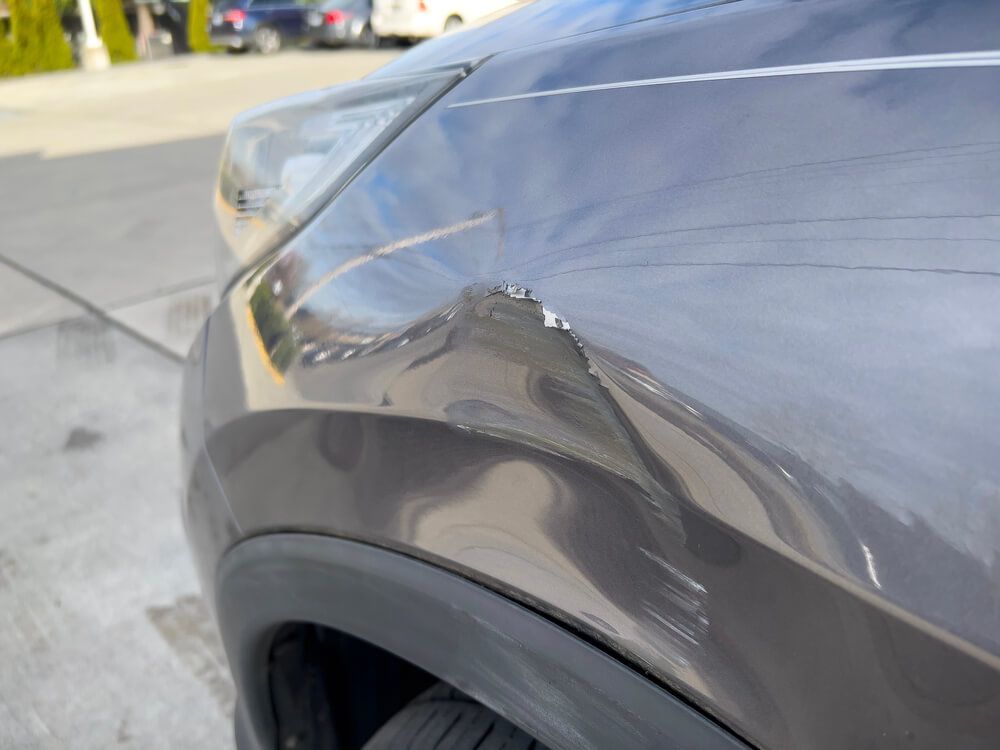
Blind-spot crashes can also leave physical evidence that helps show what happened. For example, damage along the side of your vehicle and the front corner or side of the other vehicle may suggest that the other driver moved into your lane while you were already traveling beside them.
The Driver Who Failed To Use a Turn Signal
A driver who changes lanes without signaling can be at fault for failing to follow traffic laws. Nearly every state requires drivers to signal before moving right or left, and some specify how far in advance the signal must be used. In Arizona, for example, the law requires a turn signal to remain on continuously for at least the last 100 feet before a turn.
If another driver changes lanes without signaling and hits you, proving they failed to signal can come down to your word against theirs. Dashcam footage, video from a nearby business or a witness can help support your account.
A missing signal may not decide fault by itself, but it can show that you had little or no warning before the other driver moved into your lane. That can matter when an adjuster compares what each driver did before the crash.
Both Drivers If They Changed Lanes at the Same Time
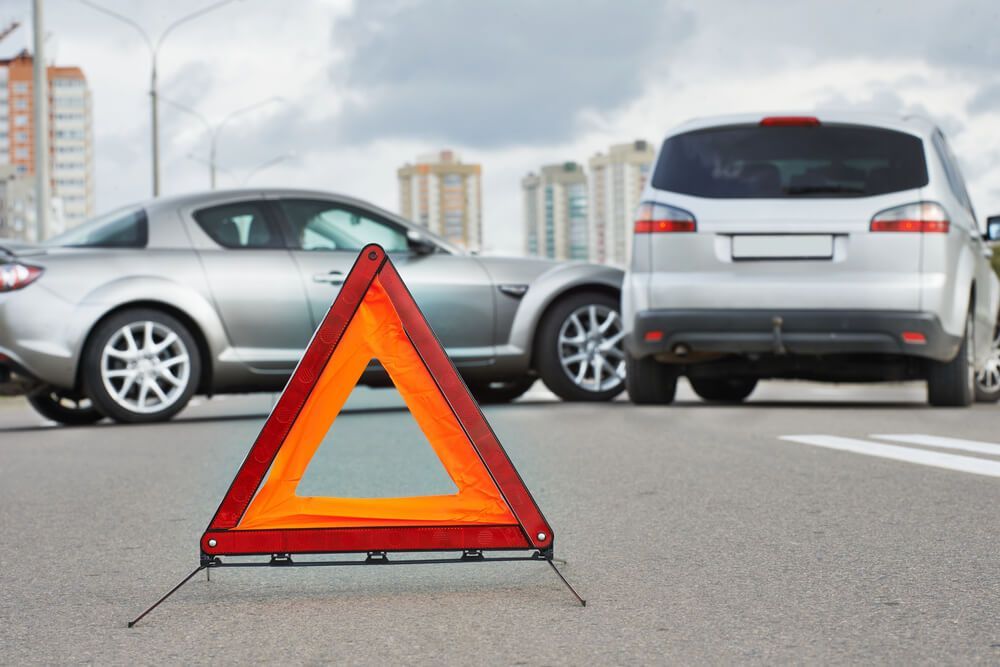
When two drivers move into the same lane at the same time, both drivers can be partially responsible for the lane change accident. Each driver had the same duty to make sure the lane was clear, and neither noticed the other vehicle before changing lanes.
If you and another driver move into the same lane at the same time, an adjuster may initially consider both of you equally responsible. That split can change based on details such as who entered the lane first, whether either of you used a turn signal and how far each vehicle had moved into the lane before the crash.
The Speeding Driver
A speeding driver can be at fault for a lane change accident even if the other driver was the one merging. Speed gives the merging driver less time to see an approaching vehicle and judge whether there is enough room to change lanes safely. A gap that would have been safe at the speed limit can quickly become dangerous when another driver is speeding.
Evidence such as skid marks, vehicle damage, video footage and data from the other car’s event data recorder can help establish how fast the driver was going. If the evidence shows that the driver was speeding, that can shift some or even a large share of the fault to the speeding driver even though you were the one changing lanes.
The Driver Who Accelerated To Prevent the Lane Change
A driver who speeds up to block a merging vehicle is usually responsible for causing an accident, even though the other car was the one changing lanes. Drivers are expected to act reasonably behind the wheel, and deliberately cutting off a signaling vehicle isn't reasonable.
For example, say you signal, check your mirrors and start moving into the right lane. The driver behind you speeds up to keep you out and hits your rear quarter panel. Even though you changed lanes, that driver's decision to speed may shift much of the fault onto them.
A Driver Who Crossed a Solid Line or Changed Lanes Where Prohibited
A driver who crosses a solid white line, cuts through a gore area or changes lanes in a marked no-passing zone is typically at fault for the unsafe lane change accident. Traffic engineers paint those markings where changing lanes puts drivers in danger.
Work zones, on-ramps and lanes approaching an intersection are common places where these types of accidents happen. The road itself becomes evidence in these crashes.
Taking photos of the road markings, along with where your vehicle and the other vehicle came to rest, can help show that the other driver moved into an area where the law did not allow it.
Any Driver Who Was Distracted
A distracted driver is at fault for a lane change accident whether they were the one merging or the one already in the lane. Texting, adjusting a screen or reaching for something pulls a driver's attention away from the vehicles around them.
Phone records, dashcam footage and statements from other drivers can help show that distraction contributed to an unsafe lane change accident. However, you may need to file a lawsuit to get the other driver’s phone records, which can make the claim take longer to resolve.
How Can a Lawyer Help Determine Fault After a Lane Change Accident?

At Sargon Law Group, we help injured drivers and passengers determine who is at fault in a lane change accident. We represent clients across Arizona, California and Colorado and investigate the evidence to understand how each crash happened. When necessary, we work with accident reconstruction professionals and challenge insurers that try to place more blame on you than the facts support.
If you were hurt in a lane change collision, schedule a free consultation with a car accident attorney at Sargon Law Group to learn more about your legal options.