
When Is a Rear-End Collision Not Your Fault?
Recent Blog Posts


When Is a Rear-End Collision Not Your Fault?
A rear-end crash is not always the fault of the driver in back. The driver in front or another party may be responsible if their actions made the crash difficult or impossible to avoid.
Key Takeaways
- Drivers who rear-end another car are usually blamed for the crash, but evidence can show that someone else was partly or fully at fault.
- A rear-end collision usually isn’t your fault when the driver in front stops suddenly for no clear reason, has broken brake lights, backs into traffic or changes lanes without leaving enough space.
- A brake check happens when a driver slams on the brakes on purpose to scare or punish the driver behind them. If that causes a crash, the front driver may be responsible for the damage they caused.
- Evidence like dashcam footage, photos, police reports and witness statements can help show why you couldn’t avoid the crash and who was actually at fault.
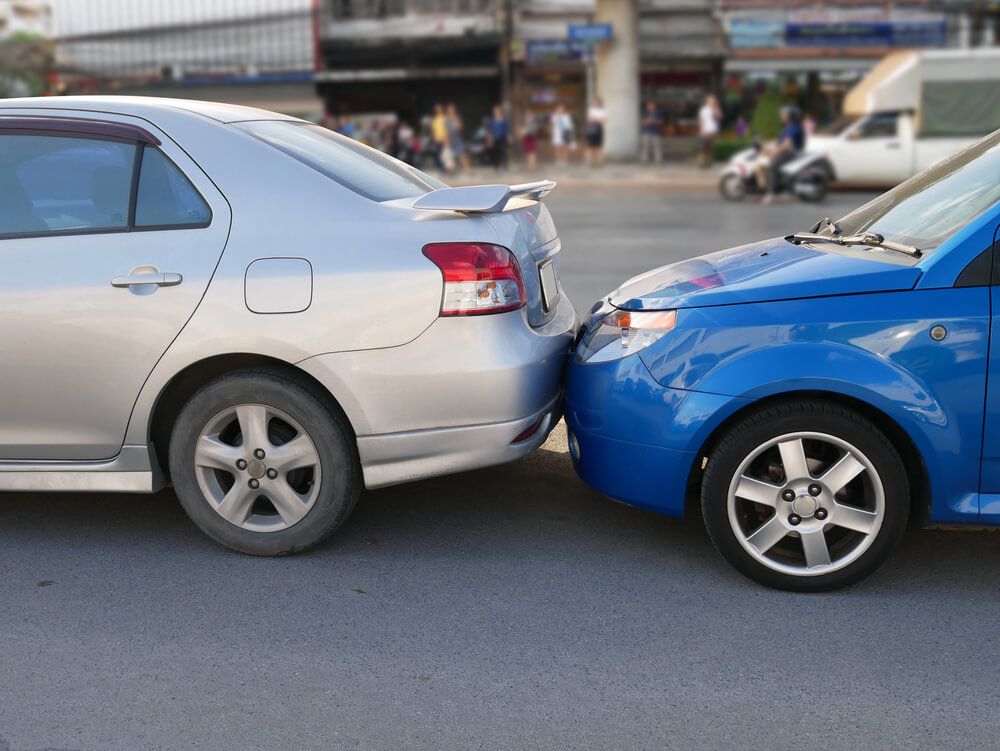
If you hit the car in front of you in a rear-end collision, it can seem like you should automatically take the blame. But these crashes aren’t always that simple. Whether you’re at fault depends on how you were driving, the traffic conditions and what happened before the impact. So when is a rear-end collision not your fault?
When Are You Not at Fault for a Rear-End Collision?
Fault in a rear-end crash often depends on whether you left enough space to stop safely based on the conditions around you. State laws set standards for safe following distance, but they don’t always give drivers one exact minimum distance to follow.
Instead, whether your following distance was safe can depend on what was reasonable given the traffic, speed, visibility and road conditions at the time.
That means you’re not automatically at fault just because your car hit the vehicle in front of you. The situations below are examples of when another driver’s actions or an outside event may shift some or all of the blame away from you.
1. Someone Stopped Suddenly Without a Valid Reason
If the driver in front stops suddenly for no clear reason, they may share fault for the rear-end crash. You’re expected to leave enough space for normal stops, such as slowing for traffic, stopping at a red light or reacting to a hazard in the road.
But you can’t always predict an unusual stop. A driver might stop in a moving lane because they missed a turn or hit the brakes at a green light when nothing is blocking their path. If you were following at a reasonable distance and still didn’t have enough time to stop, the front driver’s actions can affect who’s responsible for the collision.
2. A Vehicle Had No Working Brake Lights
If the car in front of you doesn’t have working brake lights, you may not realize the driver is slowing until you’re much closer than you would normally be. Brake lights give you an important warning that you need to reduce your speed, so losing that warning can leave you with less time to react.
That doesn’t remove your responsibility to keep a safe following distance. However, whether you could’ve reasonably stopped to avoid the rear-end collision may look different if the driver ahead slowed without giving you the warning signal you’d normally expect.
The problem can be especially serious at night or in heavy traffic, when it may be harder for you to judge changes in another vehicle’s speed.
3. You Were Involved in a Brake-Check Accident
A brake check happens when the driver in front deliberately slams on the brakes to scare, punish or send a message to you. This is different from braking because traffic suddenly slows or a hazard appears in the road.
If someone intentionally brake-checks you, they may share responsibility for the crash that follows.
The key issue is why they stopped so abruptly. You’re still responsible for keeping a reasonable distance behind other vehicles. However, another driver can’t deliberately create a dangerous situation and then assume you’ll be solely responsible if you can’t avoid the impact.
4. The Front Driver Reversed Into Your Vehicle
If another driver backs into your vehicle while you’re stopped, the crash may look like a rear-end collision even though you didn’t drive into the vehicle ahead of you. Front-end damage to your car doesn’t automatically tell you which vehicle caused the impact.
You might run into this situation in a parking lot, drive-thru lane or stopped traffic. A driver may pull too far forward, shift into reverse and back into your front bumper before you have room to move away.
If your vehicle was stationary and the other vehicle moved backward into you, the fact that your car was behind theirs doesn’t make you responsible for causing the crash.
5. The Front Driver Made an Unsafe Turn Into Your Lane
If another driver cuts into your lane without leaving enough space, you can suddenly lose the safe following distance you were maintaining. The same thing can happen when someone pulls out of a driveway, side street or parking lot directly into your path.
In this situation, the timing of the other driver’s move matters. You may have been traveling at a reasonable speed with plenty of room in front of you before they entered your lane. If their turn or lane change leaves you without enough distance to slow down safely, they may share responsibility for creating the situation that led to the collision.
6. The Front Driver Stopped Illegally in a Travel Lane
You may rear-end a vehicle that stopped somewhere you had no reasonable reason to expect a stopped car. For example, a driver might stop in an active travel lane to let someone out or leave a disabled vehicle in traffic without giving approaching drivers enough warning.
You still have a responsibility to watch the road ahead, so hitting a stopped vehicle doesn’t automatically make the other driver responsible. But where and why they stopped can matter. If the vehicle was left in a travel lane where drivers wouldn’t normally expect an obstruction, the driver’s decision to stop there may affect how fault is divided.
7. Another Vehicle Pushed You Into the Car Ahead
Sometimes you hit the vehicle in front of you because another driver hits you first. In a chain-reaction crash, the force from a vehicle behind you can push your car forward even if you had already stopped safely.
That creates a very different situation from failing to stop in time on your own. If you were already stationary when another car struck you and forced you into the vehicle ahead, you may not be responsible for that second impact. The driver who started the chain reaction may be responsible for damage to more than one vehicle.
8. A Third Driver Created the Emergency
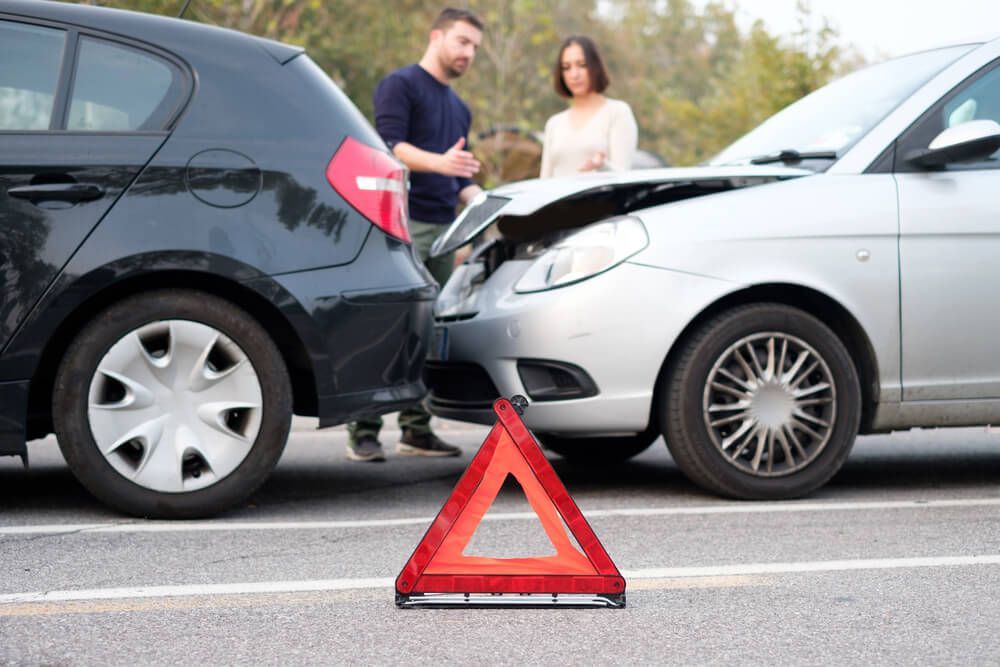
A driver doesn’t have to hit your vehicle to contribute to a rear-end crash. Another motorist might cut across traffic, make an unsafe turn or force the vehicle ahead of you to brake suddenly. You can then find yourself reacting to an emergency that neither you nor the driver directly in front of you created.
In that situation, fault may extend beyond the two vehicles that actually collided. If you were driving reasonably before the third driver created the danger, their actions can still be considered negligent even if they never touched your vehicle. They may also share responsibility even if they continued driving and weren’t present when the crash was reported.
9. An Unforeseeable Vehicle Defect Caused the Collision
A rear-end collision may not be entirely your fault if a sudden vehicle failure leaves you with no reasonable way to stop. Your brakes could fail without warning, for example, or another defective part could prevent your vehicle from responding normally.
The key issue is whether you had any reason to know about the problem beforehand. If your vehicle had been operating normally and a part failed unexpectedly, the cause may have been outside your control. But if your brakes had been grinding for months or you ignored another known safety problem, you may still be responsible for continuing to drive without fixing it.
10. Poor Weather or Road Conditions
Driving through bad weather doesn’t automatically mean a rear-end collision isn’t your fault. You’re expected to adjust your driving to the conditions, which may mean slowing down or leaving more space when you’re driving in rain, fog or icy weather.
Unexpected road hazards are different. You might encounter black ice you couldn’t see, debris that suddenly falls into the road or a rapid loss of visibility that gives you little time to react. In those situations, the fact that you were already driving carefully for the conditions becomes especially important.
You may also find that someone else contributed to the danger. Poor road maintenance or an unsafe construction zone, for example, could place some responsibility on a contractor or government agency.
How Do You Prove You Aren’t at Fault After a Rear-End Accident?
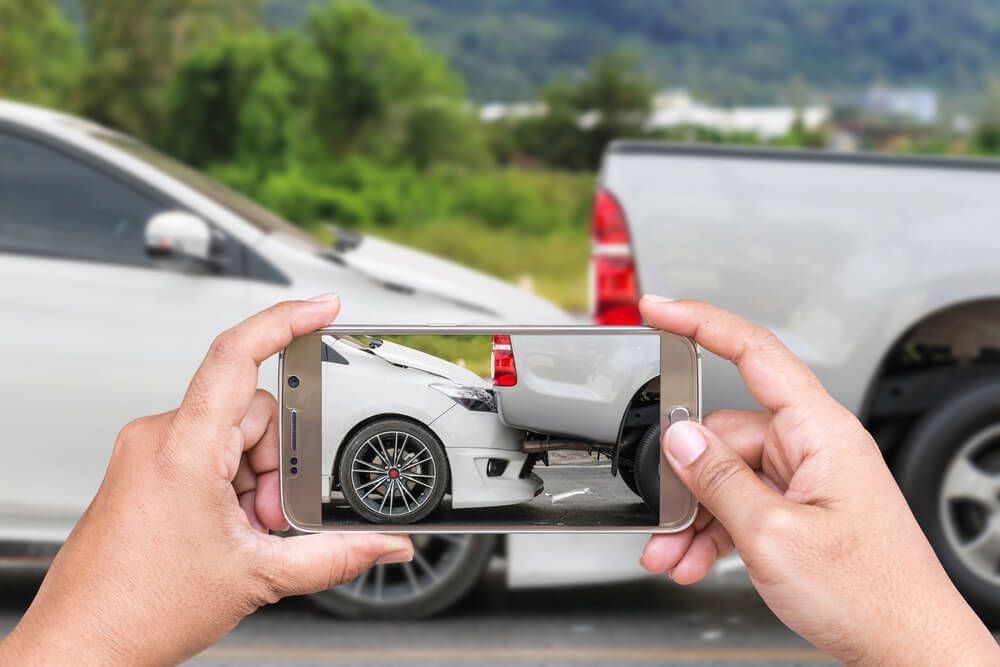
If you believe you didn’t cause the rear-end crash, you’ll need evidence that shows what happened before the impact. The goal is to show why you couldn’t reasonably avoid the collision, whether another driver created the danger or something else caused the crash.
The most useful evidence may include:
- Dashcam footage from your car or nearby vehicles
- Photos of both vehicles and the crash scene
- The police report and any citations issued
- Statements from people who saw the collision
- Data from your vehicle showing your speed or braking
- Skid marks, debris and the final positions of the vehicles
The steps you take after being rear-ended can help you gather the evidence you need to show you weren’t responsible for the crash. Video can be overwritten, and vehicles may be repaired before you have another chance to document the damage, so try to collect this evidence as soon as possible.
If You Believe a Rear-End Collision Isn’t Your Fault, Talk to an Attorney
If you believe the rear-end collision wasn’t your fault, talking to a lawyer right away can help you protect your claim while video, photos and other evidence are still available.
At Sargon Law Group, we represent people injured in car accidents across Arizona, California and Colorado, including cases where an insurance company blames the wrong driver. We can review what happened, explain how fault may apply and manage the insurance company while you focus on your recovery.
Contact a
car accident attorney at Sargon Law Group for a free consultation and get help protecting your claim after a rear-end crash.