
11 Types of Personal Injury Cases
Recent Blog Posts




11 Types of Personal Injury Cases
People get hurt every day because someone else wasn’t paying attention, didn’t follow safety rules, or made a careless mistake. When that happens, the injured person often faces medical bills, time away from work, and a long recovery.
Personal injury claims are meant to help people get compensated for these losses, but a
lawsuit takes time, and understanding what type of case you have is the first step in knowing whether you even need a lawyer’s help. Below are some of the most common types of personal injury cases and how they typically happen.
Most Common Types of Cases Handled by Personal Injury Law Firms

Here’s a closer look at the types of cases most personal injury law firms handle. This list doesn’t cover every possible situation, so if you’ve been hurt in an accident and aren’t sure whether your situation fits into one of these categories, it’s still a good idea to schedule a free consultation and ask a lawyer for guidance.
1. Car Accidents
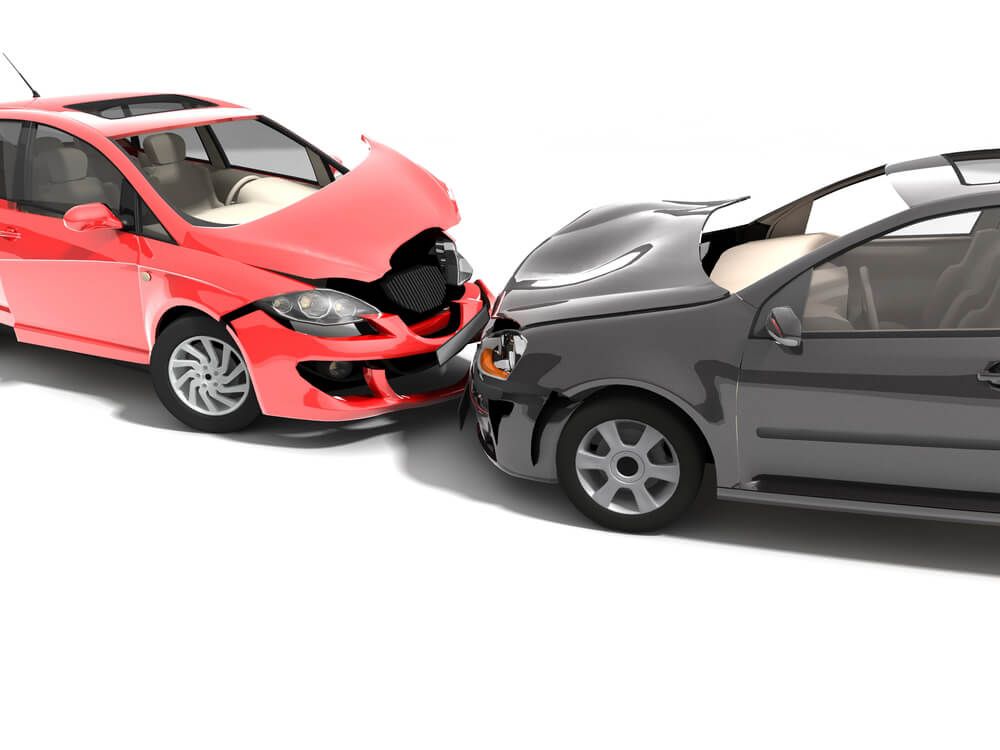
Car accidents are one of the most common reasons people call a personal injury lawyer. Here are some examples of how car crashes often happen:
- You’re stopped in traffic when another driver plows into the back of your car, leaving you with a stiff neck or aching back.
- A driver who’s glancing at their phone runs a red light and t-bones your car in the middle of the intersection.
- You’re riding as a passenger when the driver speeds, tailgates, or weaves through traffic and causes a crash.
- An uninsured or underinsured driver hits you, and suddenly you’re left dealing with repair costs and medical bills on your own.
Car accidents may seem straightforward at first, but they can quickly become complicated, especially when injuries don’t show up right away, insurance companies point fingers, or the at-fault driver lacks proper coverage. Understanding what caused the crash and how it impacted you is an important step in deciding whether to bring in a car accident attorney to help sort out responsibility and deal with insurance issues.
2. Truck Accidents
Truck accidents are often more serious than regular car crashes because commercial vehicles can weigh 20–30 times more than passenger cars. These crashes frequently stem from preventable issues such as driver fatigue, rushed delivery schedules, and poor maintenance.
You might hire a personal injury lawyer after a truck accident if:
- A truck driver who’s been on the road too long drifts out of their lane and hits your vehicle.
- A truck’s brakes fail or its tires blow out because the trucking company skipped required maintenance.
- A semi-truck jackknifes on the freeway, leading to a chain-reaction crash behind it.
- A trucking company pushes drivers to meet unrealistic deadlines, resulting in speeding or unsafe driving decisions.
Truck accidents are unique because more than one party may be responsible, including the driver, the trucking company, a maintenance contractor, or even a cargo loader. Commercial trucks also follow strict federal safety regulations, and violations of those rules often play a big role in determining fault.
3. Motorcycle Accidents
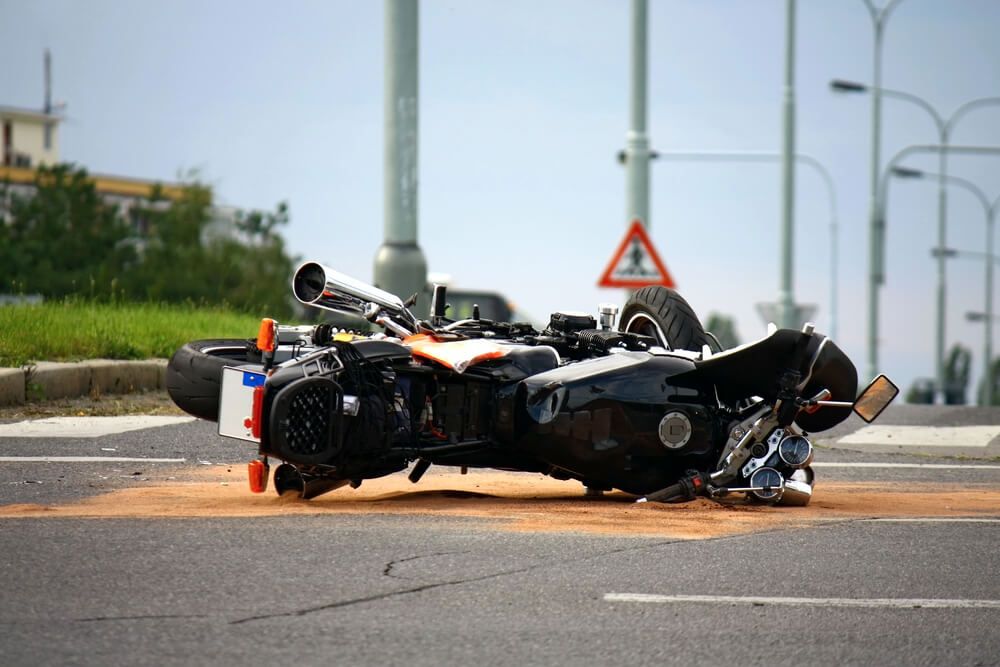
Motorcycle riders are exposed to far more danger than drivers in enclosed vehicles. Even a small mistake by another driver can lead to serious injuries because motorcycles offer little protection from impact.
Motorcycle crashes often occur when:
- A driver turns left in front of you because they didn’t see your motorcycle or misjudged your speed.
- A car changes lanes without checking mirrors or blind spots.
- You hit a pothole, loose gravel, or road debris that should have been cleared or repaired.
- A driver follows too closely and hits your motorcycle during a sudden stop.
Motorcycle accidents are frequently complicated by assumptions that riders are automatically at fault. In reality, many motorcycle collisions happen because drivers fail to notice bikes or don’t give them enough space on the road.
4. Pedestrian Accidents
Pedestrians are completely unprotected during a traffic incident, which often leads to severe injuries. These accidents typically happen when drivers aren’t paying enough attention or fail to yield the right-of-way.
Pedestrians are often hit when:
- A driver doesn’t stop at a marked crosswalk and strikes someone crossing legally.
- A vehicle jumps the curb and hits a person walking on the sidewalk.
- A child is hit in a residential neighborhood where drivers should be slowing down.
- A driver speeds through a parking lot and overlooks someone walking between vehicles.
Pedestrian cases rely heavily on right-of-way laws, visibility, and driver behavior. Drivers have a heightened duty of care when they are around people on foot. Failing to follow that duty can make them liable for the accident.
5. Slip and Fall Injuries

Slip-and-fall injuries occur when property owners fail to keep their premises reasonably safe. These incidents can happen in stores, apartment buildings, sidewalks, or workplaces.
People often get hurt in slips and fall accidents when:
- A grocery store leaves a wet floor unmarked or doesn’t clean up spills quickly.
- Ice or snow isn’t removed from sidewalks, entrances, or stairs.
- Uneven concrete, loose flooring, or broken steps cause someone to trip.
- Poor lighting makes it hard to see hazards in hallways or parking lots.
Liability in these cases usually depends on whether the property owner knew about the danger or should have known, and whether they took reasonable steps to fix it or warn people.
6. Workplace Injuries
Work injuries can happen on any job, whether you’re in an office or on a construction site. While workers’ compensation covers many injuries, some involve unsafe conditions or the negligence of another company.
Workplace injuries often happen when:
- A subcontractor leaves debris or tools in a walkway, causing a trip or fall.
- Machinery breaks down due to a defect or lack of maintenance.
- Safety warnings go ignored by management, and a preventable accident occurs.
- A delivery driver or employee is injured at another company’s location due to unsafe conditions.
Workplace personal injury cases can involve both workers’ compensation and third-party claims. Identifying who created or allowed the hazard is important when determining available recovery options.
7. Wrongful Death
Wrongful death cases arise when someone loses their life as a result of negligence, unsafe behavior, or avoidable mistakes. These claims often involve taking a deep look into what went wrong and whether it could have been prevented.
Many wrongful death cases stem from:
- Fatal car crashes caused by drunk or distracted drivers.
- Workplace incidents where proper safety equipment or procedures were missing.
- Serious medical errors, such as botched surgeries or misdiagnoses.
- Defective products or machinery that malfunction unexpectedly.
Wrongful death cases examine safety standards, company practices, or professional decisions to determine what caused the loss and who is responsible.
8. Dog Bite Injuries

Dog bites can cause serious physical and emotional harm. Most attacks happen because the dog wasn’t properly supervised, secured, or controlled.
Dog bites often occur when:
- A dog escapes a yard or leash and attacks someone nearby.
- A visitor is bitten because the owner didn’t warn them about the dog’s behavior.
- A child approaches a dog that the owner failed to restrain.
- A dog with a known history of aggression bites again.
Dog bite laws vary, but they often focus on whether the owner knew the dog posed a risk and whether reasonable steps were taken to prevent an attack.
9. Brain Injuries
Brain injuries can result from even mild impacts and may not show immediate symptoms. They often have long-term consequences affecting memory, coordination, or cognitive function.
Head injuries frequently occur when:
- A driver causes a crash through distraction or speeding.
- Someone slips on a hazardous floor and hits their head.
- An object falls onto a worker from above on a job site.
- Safety rules aren’t followed during sports or recreational activities.
Brain injuries can range widely in severity, but common types of brain injuries include:
- Concussions: Mild traumatic brain injuries that can cause headaches, dizziness, fogginess, or temporary confusion.
- Contusions: Bruising of the brain tissue, often resulting from direct impact.
- Hemorrhages: Bleeding inside or around the brain, which can create dangerous pressure.
- Diffuse axonal injuries: Damage caused by the brain shifting or rotating inside the skull, often seen in high-speed crashes.
- Penetrating injuries: When an object fractures the skull and enters brain tissue.
Because symptoms of brain injuries can evolve over time, diagnosing and treating them often requires ongoing medical evaluations. Understanding the type and severity of the injury helps determine how it may affect someone’s daily life and long-term recovery, and it also plays a major role in determining the value of a personal injury settlement.
10. Bus Accidents
Bus accidents can injure riders, drivers in other vehicles, and pedestrians. Because buses carry many passengers and operate in busy areas, these crashes can cause widespread injuries.
People are often hurt in bus-related incidents when:
- A bus driver brakes sharply or makes a sudden turn, throwing passengers off balance.
- A school bus collides with another vehicle or stops abruptly, injuring children.
- A pedestrian is struck near a bus stop or while crossing the street.
- A city bus hits a car because the driver misjudged traffic or visibility.
When a bus is managed by a public agency, extra rules and strict deadlines usually apply for filing a personal injury case. Unlike a typical accident involving private individuals or companies, claims against government entities often require you to submit a formal notice of your injury within a short window of time. Missing that deadline can prevent you from pursuing compensation at all.
A bus accident lawyer familiar with these rules can help make sure the correct paperwork is filed on time and can gather essential case evidence, such as maintenance records, driver training files, and route data to determine how the crash happened and who is responsible.
11. Construction Accidents

Construction sites involve heavy equipment, elevated work areas, and multiple crews working at once, which means accidents can occur quickly when safety standards aren’t followed.
Construction injuries often happen when:
- A worker falls from scaffolding that wasn’t properly secured.
- Tools or materials drop from above and hit someone below.
- A trench or excavation collapses due to improper reinforcement.
- A pedestrian or passerby is hit because safety barriers weren’t used.
Construction accident personal injury cases often involve several companies, so figuring out who is responsible means looking at things like contracts, safety rules, and who was in charge of the area where the injury happened. On most job sites, you’ll have a general contractor, different subcontractors, equipment providers, and sometimes a separate company handling safety.
When someone gets hurt, you have to determine who should have stopped the accident from happening. To answer that, you often need to look at:
- Who set up the equipment
- Who was supposed to maintain the work area
- Who supervised the job
- What safety steps were required
Daily logs, safety checklists, and work agreements help show which company was responsible for the unsafe condition. Because so many people and companies may be involved, you should talk to an injury lawyer if you’ve been in a construction accident.
Types of Damages in Personal Injury Cases
In a personal injury case, “damages” are the losses you can be compensated for after an accident. They can vary quite a bit from one case to another because every injury affects people differently.
Most cases include these damages:
- Medical Bills: The cost of treatment, hospital visits, medication, and physical therapy.
- Lost Income: Money you couldn’t earn because your injuries kept you from working.
- Pain and Suffering: The physical pain and the emotional impact the injury has had on your life.
- Property Damage: The cost to repair or replace damaged items, such as your car.
- Loss of Enjoyment: When your injury keeps you from activities, hobbies, or parts of life you used to enjoy.
- Future Losses: Long-term impacts, such as ongoing medical needs or being unable to return to your previous job.
The amount someone may recover in a personal injury accident claim depends on things like how serious the injury is, how long recovery takes, how the injury affects daily life, and whether the other party was clearly at fault. An injury lawyer can help calculate these damages and explain what to reasonably expect in your situation.
Choose a Lawyer Who Handles All Types of Personal Injury Cases
After an accident, it can be hard to know what to do next, especially when you’re dealing with medical care, missed work, and pressure from insurance companies. This is why it’s important to choose a lawyer who has experience and understands how to protect your rights from the start.
The team at Sargon Law Group digs deep to uncover how the accident happened, pushes back against insurance adjusters, and fights hard for the full compensation you deserve. No matter which type of personal injury case you’re dealing with, you can count on us to protect your rights and advocate for you every step of the way.
If you’ve been injured, contact Sargon Law Group today to schedule your free consultation with a personal injury attorney.