
22 Types of Car Accidents: Terminology Explained
Recent Blog Posts


22 Types of Car Accidents: Terminology Explained
Knowing the right terms to describe your car accident makes it easier to explain what happened when you talk to the police or an insurance company.
Key Takeaways
- The way your car was struck provides a clear map of which driver made a mistake.
- Even a minor accident can cause pain that shows up days later.
- A personal injury attorney can help you after any type of accident and work to recover the compensation you deserve.
When you’re hurt in a crash, a personal injury attorney uses details from specific types of car accidents to figure out what compensation you’re entitled to. Every collision is different, and the terminology you use helps experts understand if someone was speeding or distracted, or if they failed to yield. By learning these car accident terms, you can stand up for yourself and make sure the at-fault driver is held responsible for your bills.
What Are the Different Types of Car Accidents?
Below are some of the most common crashes and how they usually happen.
1. Rear-End Collisions
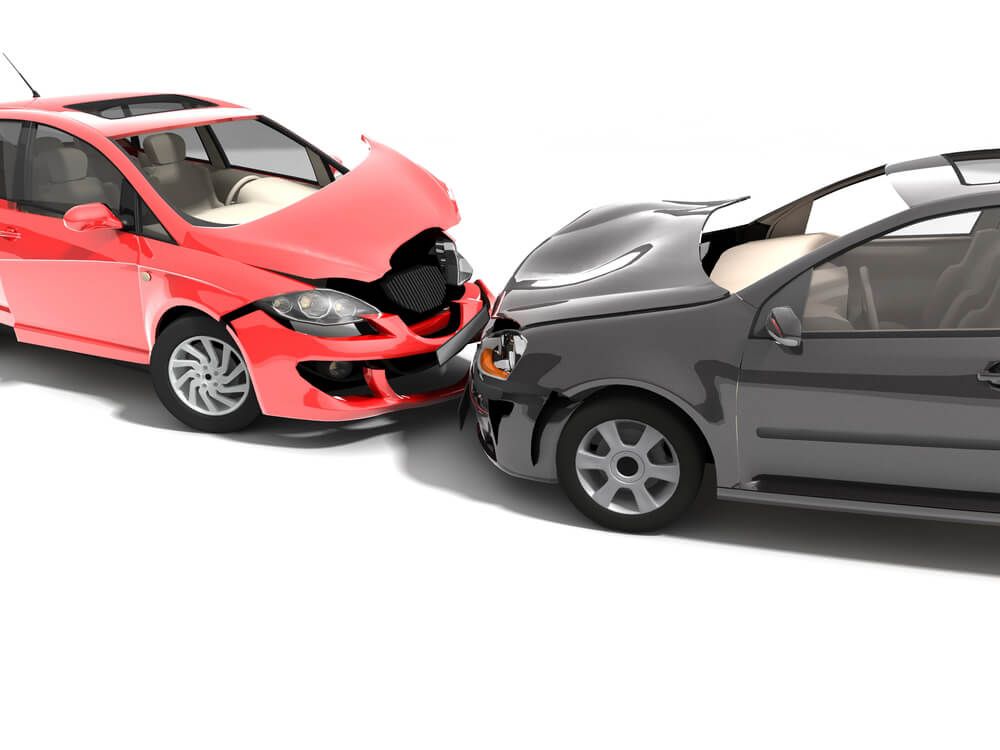
You could find yourself in a rear-end accident if another car hits the back of your vehicle. This accident often happens in stop-and-go traffic when the driver behind you doesn’t stop in time.
Rear-end crashes are very common and usually result in damage to the back of one car and the front of another. Injuries like whiplash are typical, but these crashes can also cause harm at higher speeds.
2. T-Bone Accidents
If another car’s front end crashes into the side of your vehicle, it’s called a side-impact collision, or T-bone accident. This type of crash looks like a “T” shape at the moment of impact.
T-bone accidents often occur at intersections when a driver runs a red light or stop sign and hits a crossing car. Side-impact crashes can be very serious because the sides of cars have less protection than the front or back.
3. Intersection Accidents
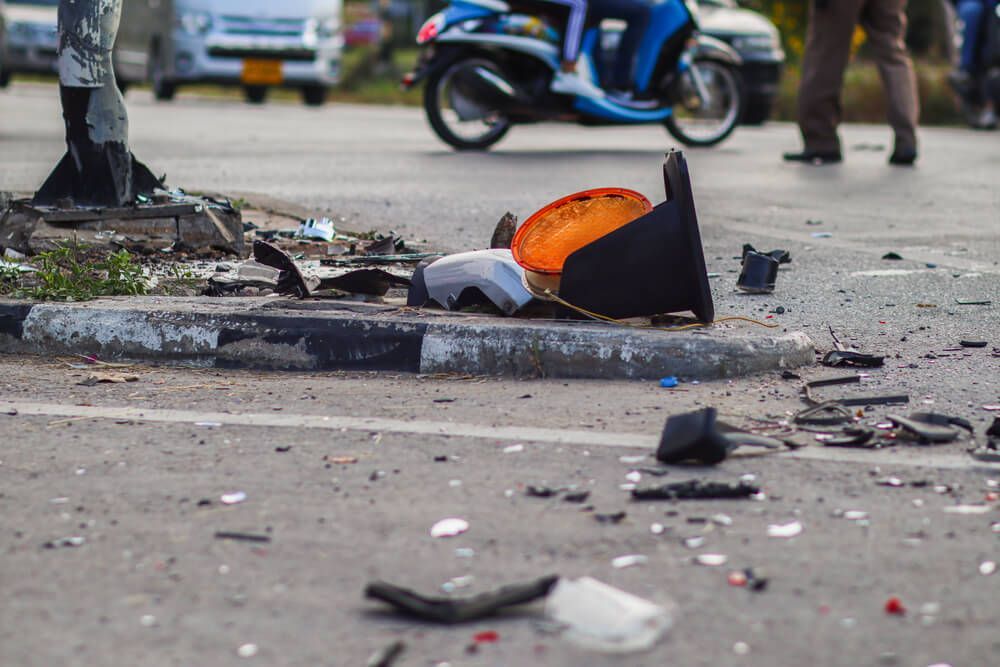
An intersection accident is any collision that occurs where roads cross. You could be in an intersection crash if a driver runs a red light or stop sign and hits another vehicle.
These accidents can be especially dangerous because cars may be coming from different directions. Intersection accidents often involve head-on impacts (if someone turns into oncoming traffic) or T-bone impacts.
4. Left-Turn Accidents
Left turns are a frequent source of major crashes and often lead to disputes over whether the turning driver failed to yield. These accidents typically occur when oncoming traffic strikes a vehicle making a left turn, sometimes because they misjudge your speed or the driver’s view is limited. The impact can leave you dealing with side-impact or front-end damage and related injuries.
5. Head-On Collisions
A head-on collision is when two vehicles crash front-first into each other. They usually happen if someone drives the wrong way or swerves into oncoming traffic. You can imagine how dangerous this is, as both cars are moving toward each other, and the impact is very powerful.
Head-on crashes are less common than other accidents because drivers have more visibility to swerve out of the way. But when they do happen, they are often the most deadly type of car accident because of the force involved.
6. Multi-Vehicle Accidents
A multi-vehicle accident, or pile-up, involves three or more vehicles crashing into each other. You could experience this on a busy highway when one crash triggers a chain reaction.
For example, one car might stop suddenly, the car behind hits it, and then more vehicles crash into the pile of cars. These accidents can cause damage and injuries because multiple impacts happen. It can also be hard to escape when cars surround you in a pile-up.
7. Sideswipe Accidents
When two vehicles are traveling next to each other, even a slight lane drift or unsafe lane change can lead to a sideswipe accident. These crashes often happen when a driver fails to check a blind spot and the sides of their vehicle scrape against yours.
While the car’s damage is usually limited to dents, scrapes or broken mirrors, you can still suffer injuries like whiplash, especially if the other vehicle is driving faster than yours.
8. Hit-and-Run Accidents
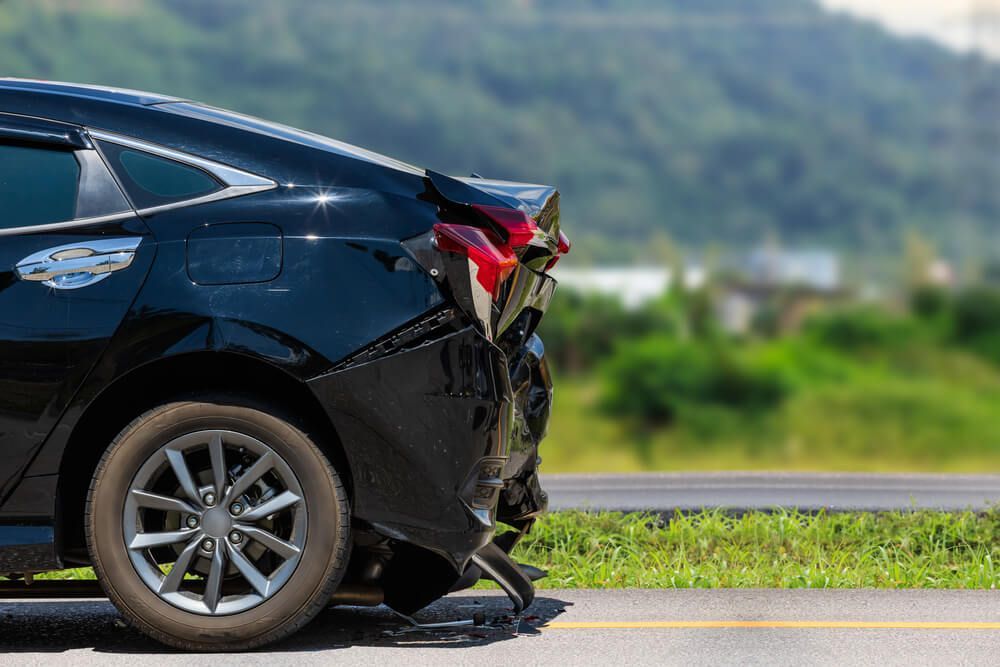
A hit-and-run accident is when a driver crashes into another car, a pedestrian or property and then drives away without stopping. If you're the victim of a hit-and-run, you’re left at the scene with damage or injuries while the other driver flees.
Leaving the scene of an accident is illegal and can lead to criminal charges. Hit-and-run crashes are especially upsetting because the at-fault driver is unknown, making it harder to determine who caused the accident or how to hold them responsible.
9. Drunk Driving Accidents
When a driver gets behind the wheel after drinking too much alcohol, the risk of a crash increases significantly. Alcohol slows reaction time, impairs judgment and can blur vision, making it harder for that driver to brake, steer or notice hazards in time.
Because impaired drivers lack full control of their vehicles, drunk driving crashes often leave you and others on the road with serious injuries.
10. Distracted Driving Accidents
When a driver takes their attention off the road, even briefly, it can put you at risk. Distractions like texting, eating, using in-car technology or daydreaming reduce a driver’s ability to react in time.
Just a few seconds of inattention can cause a driver to miss a stopped vehicle or run a red light, leading to a crash that injures you. Many distracted driving accidents are entirely preventable and result from a lack of focus behind the wheel.
11. Speeding Accidents
When a driver travels faster than road or weather conditions allow, it increases the risk of causing injuries in a crash. Speeding reduces reaction time and increases stopping distance, making it harder for that driver to avoid sudden hazards. Losing control is more likely on curves or wet roads, and when a high-speed collision happens, the force of impact can leave you with severe injuries. In fact, speeding plays a role in nearly one-third of fatal traffic crashes.
12. Merging Accidents
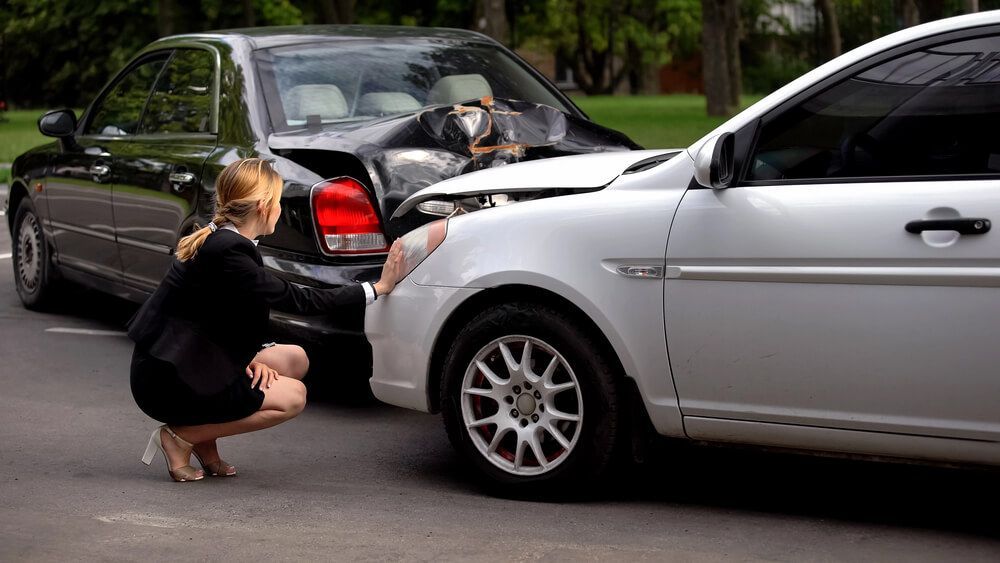
You might experience a merging accident when a driver enters a lane that you’re already driving in. These crashes are common on highways, on-ramps and busy roadways where drivers must yield or adjust speed to join traffic. When a driver fails to signal, misjudges available space or doesn’t properly check mirrors, a collision can happen quickly.
Because merging often takes place at higher speeds, these accidents can be more dangerous and leave little time for either driver to react.
13. Single-Vehicle Accidents
If your car is the only one involved in a crash, it’s called a single-vehicle accident. In this situation, you might crash into something like a tree, a pole or a wall. You might even flip your car without hitting another vehicle.
You could get into a single-vehicle accident if you lose control of your car due to speeding, bad weather or swerving to avoid something on the road.
14. Rollover Accidents
A rollover accident is when a vehicle tips onto its side or roof, often after turning too sharply or striking an object at high speed. SUVs and trucks are more prone to rollovers because of their higher center of gravity.
If you’re inside a vehicle during a rollover, the violent motion can throw you around the cabin, increasing the risk of serious injury. Wearing a seat belt is especially important in these crashes and can help reduce the severity of harm.
15. Truck Accidents
A truck accident involves a large commercial vehicle, such as an 18-wheeler, and can be especially dangerous when you’re in a smaller passenger vehicle. Because of their size and weight, trucks require more distance to stop and have significant blind spots, which increases the risk of collisions.
Some truck crashes involve jackknifing, where the trailer swings out, or underride accidents, where your vehicle can slide beneath the trailer. Driver fatigue, distraction or pressure to meet delivery deadlines are common contributing factors in commercial vehicle accidents. Even a single mistake by a truck driver can have severe consequences for you and others on the road.
16. Motorcycle Accidents
A motorcycle accident involves a motorcycle and often another vehicle, such as a car. If you’re on a motorcycle, you don’t have the same protection as someone in a vehicle, so even a minor crash can throw you off the bike.
These types of accidents can happen when drivers don’t see motorcycles because of their smaller size. For instance, a car might turn in front of a motorcycle or merge into its lane by mistake.
17. Bicycle Accidents
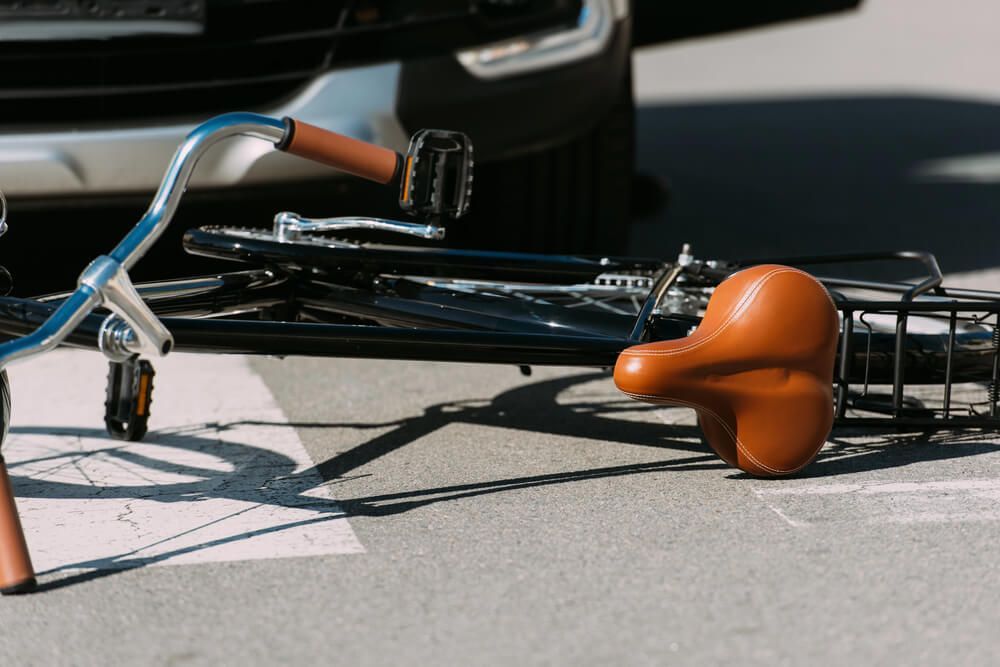
A bicycle accident can happen when a driver fails to see a cyclist or doesn’t leave enough space on the road. For example, a driver may turn right across your path or open a car door without checking, leading to a serious collision.
When you’re on a bicycle, you’re far more exposed and lack the protection of a passenger vehicle, which makes these bike crashes especially dangerous.
18. Pedestrian Accidents
When a vehicle strikes someone who is walking, the results can be devastating. As a pedestrian, you have no physical protection, which makes these crashes especially likely to cause catastrophic injuries.
Many pedestrian accidents happen when drivers fail to yield at crosswalks or don’t see someone crossing the street in time. The force of impact can throw you to the ground, leading to broken bones, head injuries or worse. Staying alert helps reduce risk, but responsibility often falls on drivers to watch for people on foot.
19. Rideshare Accidents
Rideshare accidents involve vehicles from services like Uber or Lyft. You could be hurt in a rideshare accident as a passenger or as someone in another car. These crashes often happen when the rideshare driver is distracted by the GPS or rideshare app on their phone.
Rideshare drivers also sometimes speed or work long hours, which can make them tired and more likely to make mistakes. They might make sudden stops or turns to pick up a passenger, causing a collision with another vehicle.
20. Parking Lot Accidents
Collisions in parking lots often happen at low speeds but can still cause real harm. These types of car accidents commonly occur when drivers back out of parking spaces or drive through lanes without paying close attention.
Even minor impacts can leave dents or scratches, and injuries are still possible, especially if you’re walking through the lot or caught between vehicles.
21. Fender Benders
A fender bender is a nickname for a minor car accident that typically happens at a low speed. For example, if someone taps the back of your car in traffic or in a parking lot, it’s often called a fender bender.
The damage to your vehicle may be small, like a bent fender or scratched paint. Even so, you may experience soreness or whiplash, and some injuries don’t appear right away. For that reason, it’s still important to exchange information and report the accident.
22. Construction Zone Accidents
When drivers fail to slow down or follow posted signs in construction zones, it can put you at risk of injury. These areas often have narrowed lanes, uneven pavement and sudden traffic changes, which require extra attention from drivers. Crashes frequently happen when a driver speeds, ignores warning signs or becomes distracted by road work activity.
Because construction zones leave little room to maneuver, even a small mistake can result in a collision that causes serious injuries to you or others nearby.
Get Trusted Legal Advice for Any Type of Car Accident
Whatever type of car accident you’re dealing with, don’t wait to get legal help. The steps you take right after a crash can directly affect your ability to recover compensation for your injuries and losses. Even accidents that seem minor at first can involve insurance disputes, unclear fault or injuries that take time to appear.
At Sargon Law Group, we provide the dedicated, empathetic support you deserve while standing up to insurance companies that try to minimize your claim. Whether your case is straightforward or complex, we’re here to protect your future. Contact us today for a free consultation with one of our knowledgeable
Phoenix car accident attorneys and let us help you start the road to recovery.