
What To Do After a Fender Bender?
Recent Blog Posts





What To Do After a Fender Bender?
After a fender bender, the steps you take at the scene and in the weeks that follow can affect your safety, your recovery and your ability to protect your claim.
Key Takeaways
- Call the police after a fender bender and take pictures of the accident.
- Car accident injuries and claims often take time to develop, so seeking medical care and keeping organized records helps your case.
- Insurance companies may move quickly to limit payouts, which is why you should be cautious with statements, social media posts and early settlement offers.

A fender bender is a minor car accident, often involving low speeds and limited damage. It might happen in a parking lot, at a stoplight or in slow traffic. Even though the damage may look small, the impact can still cause injuries and lead to unexpected costs.
Knowing what to do in a fender bender can make a stressful moment feel more manageable. The steps you take right after the crash and in the days that follow can affect your health, your insurance claim and any legal matter that may come up.
What To Do If You’re In a Fender Bender
In the moments right after you get in a fender bender, you may feel unsure about what to do first. Having a clear plan can help you stay focused and avoid mistakes that could affect your safety or your claim.
1. Stay Calm and Check for Injuries
The first moments after a crash can feel overwhelming. Your heart may race, and it may be hard to think clearly. Try to take a slow breath and focus on what is happening around you. Check yourself for pain, dizziness or other signs of injury. Then check on your passengers, if you have any.
Even in a low-speed crash, you can suffer injuries. Rear-end collisions often cause whiplash, back strain and head injuries. You may not notice symptoms right away. If you or anyone else feels pain, let emergency responders know when they arrive. When you stay calm and assess injuries right away, you stay safe and lay the groundwork for what happens next.
2. Move To a Safe Spot
If you can move your vehicle, drive it out of traffic and into a safer location. Pull onto the shoulder or into a nearby parking lot. Turn on your hazard lights so other drivers can see you.
When you leave your car in an active lane of traffic, you increase the risk of another collision. If you cannot move your vehicle, stay inside with your seat belt fastened until help arrives, unless staying inside puts you in danger. Focus on keeping yourself and others safe.
3. Call the Police
Call the police so an officer can document the crash. In Arizona, you must report an accident if it involves injuries or significant property damage. Even if the crash seems minor, an official report can make a difference later.
When officers arrive, they gather information, speak with you and the other driver and talk to witnesses. They usually prepare a report that outlines what happened. That report can help you later if there is a dispute about who is at fault for the fender bender.
4. Exchange Information
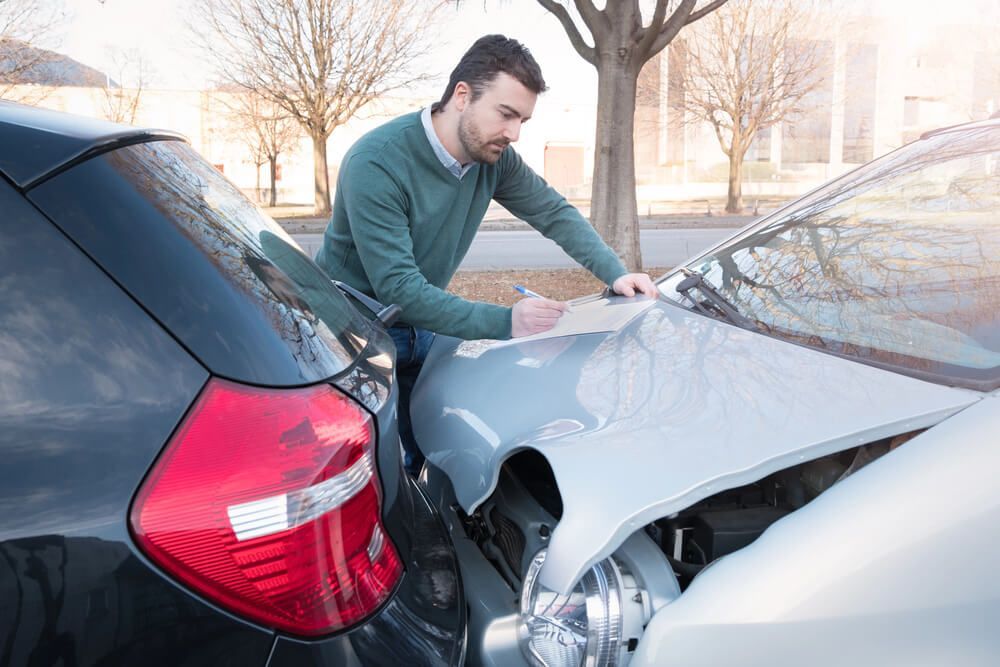
You should always exchange key information with the other driver. Collect names, phone numbers, addresses, driver’s license numbers, license plate numbers and insurance details. Write the information down or take clear photos of the documents.
5. Take Photos
Use your phone to take photos of the vehicles and the scene. Capture damage from several angles. Photograph the position of the cars, skid marks, traffic signals and any road conditions that may have contributed to the crash.
Take photos before you move the vehicles, if you can do so safely. Clear images show the impact and the surrounding environment at the time of the collision. Insurance companies and attorneys often rely on these photos when they review what happened.
6. Talk to Witnesses
The police aren’t the only ones who can speak with witnesses. You can collect names and phone numbers so someone can follow up later if needed. If anyone saw the crash, speak with them and ask for their contact information. Witnesses can offer an independent account of what happened. That outside perspective can become important if you and the other driver disagree about who caused the fender bender.
7. Watch What You Say at the Scene
After a crash, you may feel the urge to apologize or explain what happened. Even saying “I didn’t see you” or “I’m so sorry” can later be interpreted as admitting fault. While it’s important to be polite, you should be careful about the words you use.
Stick to the facts when speaking with the other driver and with the police. Don’t guess about speed, distance, or who caused the collision. You may not have all the information in those first few minutes. Insurance companies can use statements made at the scene to argue that you were responsible, even if you’re clearly not at fault.
8. Look for Nearby Cameras

While you’re still at the scene, take a moment to look around for security cameras or traffic cameras that may have captured the crash. Nearby businesses, homes or intersections often have surveillance systems.
You don’t need to collect the footage yourself, but you should note the location of any cameras you see. Take a photo of the building or intersection if possible. In some cases, that footage may only be stored for a short time before it is deleted. Identifying possible video sources early can make it easier to preserve important evidence if there is a dispute about what happened.
What To Do After a Fender Bender
Once you leave the scene of the car accident, you still need to be mindful. What you do in the hours, days and weeks after the accident can directly affect your health and your ability to recover compensation. The following steps explain how you can protect yourself as your fender bender claim moves forward.
1. Contact Your Insurance Company
After you leave the scene, contact your insurance company as soon as possible. Most policies require you to report accidents promptly. Provide basic facts about the crash, including the time, location and vehicles involved.
Stick to what you know. Don’t guess or speculate about details. If the other driver’s insurance company contacts you, understand that what you say may affect your claim.
2. See a Doctor if You Feel Pain
You may feel fine immediately after the crash, then notice pain or stiffness days later. Soft tissue injuries such as whiplash often take time to appear. Headaches, neck pain and back discomfort can develop gradually.
If you begin to feel pain, schedule a medical evaluation. By seeing a doctor, you create a record that connects your symptoms to the accident. Waiting too long can make it harder to show that the crash caused your injuries.
3. Follow Your Treatment Plan
If your doctor recommends treatment, follow through with it. Attend follow-up visits, complete physical therapy sessions and follow medical instructions. Getting consistent care shows that you take your recovery seriously.
When you miss appointments or stop treatment early, the insurance company may argue that your injuries aren’t severe. Gaps in care can weaken your claim. By keeping your appointments and following your provider’s guidance, you build a clear medical record that reflects how the accident has affected you.
4. Get a Damage Estimate

Schedule an inspection of your vehicle and get a written repair estimate. Even small dents from a fender bender can hide structural or mechanical issues. A professional estimate outlines the full cost of repairs.
By pairing that estimate with photos from the scene, you create a stronger record of the property damage. Insurance companies often rely on written estimates during negotiations. By addressing vehicle damage promptly and documenting repair costs, you support your claim for compensation related to your car.
5. Keep Records
Create a file where you store all documents related to the crash. Include the police report, medical records, repair estimates and any letters or emails from insurance companies. Track your expenses, such as medical bills, prescriptions and car rental fees.
Car accident claims often take time. You may think you’ll remember certain details or know exactly where to find a document later. As weeks or months pass, those details can become harder to track down. Keeping everything in one place helps you stay organized and better protect your claim.
6. Contact a Car Accident Attorney
You may have questions about how the fender bender accident affects your rights. When you contact a car accident attorney, you can discuss the details of your situation and learn how the law applies to you. In Arizona, the state follows a comparative negligence system. That means more than one driver can share fault for a crash.
With comparative negligence, the percentage of fault assigned to you can directly affect the amount of compensation you may recover. For example, if you’re found partially at fault, your compensation may be reduced by your percentage of responsibility. Insurance companies often look for ways to shift more blame onto you to lower what they pay.
An attorney can take a closer look at the police report, medical records and other evidence tied to your case. They can identify issues that may not be obvious at first. An attorney can also handle communication with insurance adjusters, which may reduce the pressure you feel to respond to calls or settlement offers on your own.
As your case moves forward, you may need a lawyer to help calculate the full scope of your damages, including medical costs, lost income and other losses connected to the crash. They can also prepare your case for negotiation or, if necessary, litigation.
7. Avoid Posting About the Accident on Social Media
You may feel tempted to post about the crash on social media. However, insurance companies and defense attorneys may review your posts. You don’t want someone to take photos or comments about your activities out of context.
If you post that you feel “fine” or share pictures of yourself out with friends, someone may use that to question your injuries. Once you share something online, you lose control over how others use it. By staying off social media when it comes to the accident, you reduce the risk of harming your claim.
8. Don’t Downplay Your Injuries

When you speak with insurance adjusters, medical providers or others, choose your words carefully. You may want to minimize your pain to avoid seeming dramatic. However, anything you say about your fender bender case can be used against you.
If you downplay your injuries, the insurance company may argue that you weren’t seriously hurt. Make sure your statements accurately reflect how you feel. Using clear and consistent communication helps prevent your words from being used to weaken your claim.
9. Be Careful With Quick Settlement Offers
After a fender bender, an insurance company may offer a quick settlement. That offer may seem appealing, especially if you want to move on with your life and stop worrying about the case. However, early settlements may not account for future medical treatment, lost income or ongoing pain.
By accepting a settlement, you usually give up your right to seek additional compensation related to the crash. If your injuries worsen later, you may not be able to reopen the claim. By carefully reviewing any settlement offer and understanding what it covers, you protect yourself from resolving your case too soon.
When you have a personal injury attorney by your side, you add a layer of protection during settlement talks. Insurance companies handle claims every day and often use tactics designed to limit payouts, such as downplaying injuries or questioning medical treatment. An attorney can recognize these strategies and push back when necessary.
Contact an Experienced Personal Injury Attorney After a Fender Bender
Sargon Law Group is ready to help you after a fender bender. If another driver caused the crash and you were hurt, our firm can step in to guide you through the legal process and protect your interests from start to finish.
At Sargon Law Group, we represent injured drivers in Phoenix and throughout Arizona who are dealing with the financial and personal impact of a collision. We take the time to review the details of your case, handle communication with insurance companies and gather the evidence needed to support your claim. Our goal is to present a clear picture of how the crash has affected your health, your work and your daily life.
You don’t have to take on a personal injury claim alone. Contact us today to schedule a free consultation with one of our
car accident attorneys. We’ll evaluate your case, explain your options and outline the next steps so you know exactly where you stand.