Guide to New Mexico Car Seat Laws

Recent Blog Posts

How long after a slip and fall can you sue?
By Michael Morgan February 13, 2026
How long after a slip and fall can you sue? Learn what the statute of limitations for a slip and fall is in Arizona and when there are exceptions.
What are the most common causes of bus accidents?
By Michael Morgan February 10, 2026
Learn the common causes of bus accidents, including those involving public transit buses and school buses, and how negligence often leads to serious injuries.
Are motorcycles allowed in the carpool lane?
By Michael Morgan February 6, 2026
Are motorcycles allowed in the carpool lane? Learn carpool lane rules and your rights as a rider, plus when to contact a Phoenix motorcycle accident attorney.
What happens when a truck driver has an accident?
By Michael Morgan February 3, 2026
What happens when a truck driver has an accident? Learn about who investigates the crash, who is held liable, and when to file a truck driver accident lawsuit.
How long do slip and fall settlements take?
By Michael Morgan January 30, 2026
How long do slip and fall settlements take? Learn what factors influence slip and fall claims, typical case timelines and why every case is different.

Guide to New Mexico Car Seat Laws

Your child's safety is your top priority, and understanding New Mexico car seat laws can help you ensure your child is safe on the road. These laws are designed to protect some of the most vulnerable passengers on the road: children. Obeying car seat laws not only helps you protect your child. it can also help you avoid penalties such as fines or other legal consequences.


Here's your guide to understanding New Mexico car seat laws and how they apply to various age groups and situations. By following these guidelines, you can significantly reduce the risk of injury in the event of an accident, ensuring that your travels are as safe as possible for everyone.


Understanding New Mexico Car Seat and Booster Seat Laws

New Mexico has specific requirements based on the child's age, weight and height. As your child grows, you will need to make sure you're taking proper safety precautions for their age and size. Each stage of development comes with its own set of guidelines to ensure optimal safety for your child while traveling. Understanding these requirements is crucial for the well-being of your little ones.


Rear-Facing Car Seats

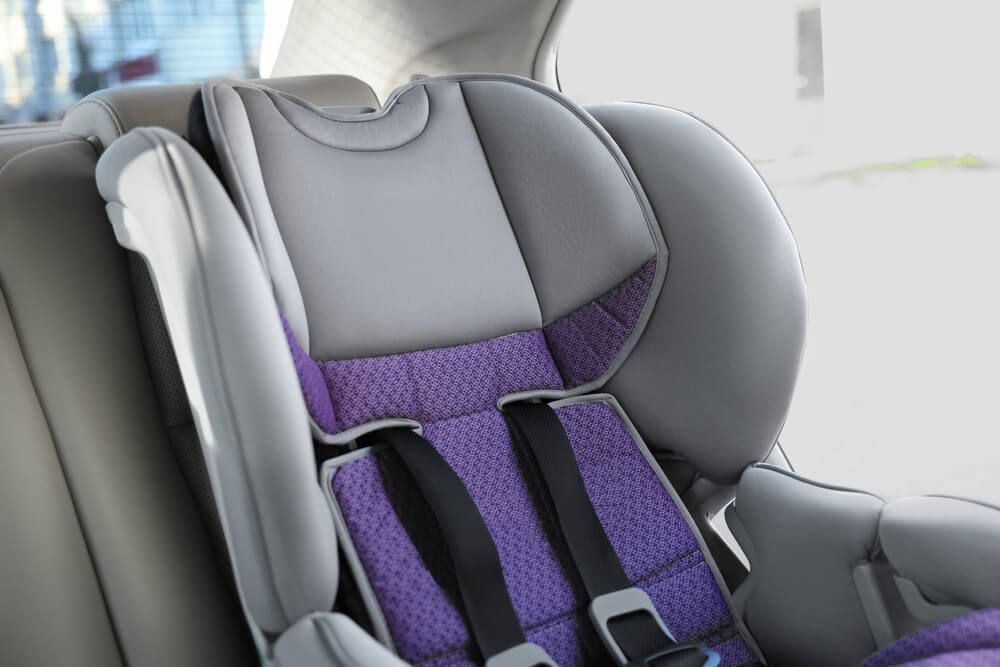
Infants under 1 year old or weighing less than 20 pounds must be in a rear-facing car seat. This type of car seat is specifically designed to protect the youngest passengers by supporting their head, neck and spine in the event of a crash. It is recommended to keep your child rear-facing for as long as possible, up to the height and weight limit of the car seat (which is usually up to 35 pounds). The longer a child remains in a rear-facing seat, the better their protection.


Forward-Facing Car Seats

Children aged 1 to 4 years old or weighing less than 40 pounds must be in a forward-facing car seat with a harness. The harness provides essential restraint to distribute crash forces over the strongest parts of the child's body. Continue using a forward-facing seat until your child outgrows the manufacturer's weight or height limit. Some seats go up to 60 pounds. Follow the manufacturer's guidelines to ensure your child's safety.


Booster Seats

Children aged 5 to 6 years old or weighing less than 60 pounds should transition to a booster seat once they outgrow the forward-facing seat. Booster seats must be used with both lap and shoulder belts and should be continued until the vehicle seat belt fits properly without a booster. This typically happens when the child is around 4 feet 9 inches tall. The booster seat ensures that the seat belt fits correctly, providing the necessary protection during a collision.


Children aged 7 to 12 years old should use a booster seat until the adult seat belt fits them correctly. This means the lap belt lies snugly across the thighs, not the stomach, and the shoulder belt crosses the chest, not the neck. Proper seat belt fit is crucial for minimizing the risk of injury in a crash.


Seat Belts

All passengers must be properly restrained in a seat belt. It's not only about compliance with the law but also about ensuring the safety of everyone in the vehicle. Seat belts are a fundamental part of car safety, significantly reducing the risk of injury or death in accidents.


Exceptions and Special Situations

There are some exceptions to New Mexico's car seat and booster seat laws. New Mexico does not have specific laws for taxis, but it is recommended to use a child seat whenever possible. It is always best to bring your own car seat when using a taxi to ensure your child's safety.


 Furthermore, school buses and public transportation are exempt from car seat laws. Despite these exemptions, it's always best practice to use a child safety seat whenever possible.


Penalties for Non-Compliance

Violating New Mexico's car seat laws can result in fines or other penalties. However, the consequences of not properly restraining your child go beyond financial penalties. Ensuring that children are properly restrained not only helps avoid fines but also significantly reduces the risk of injury in an accident. Proper use of car seats and seat belts can be the difference between minor injuries and severe, life-threatening conditions.


Installation and Safety Checks

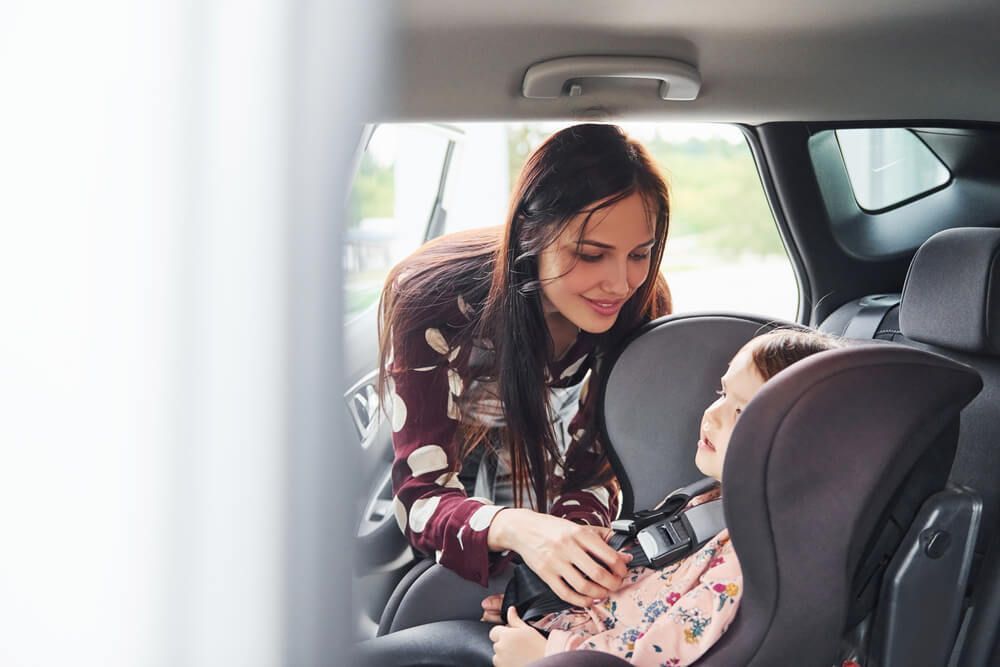
To ensure car seats are effective, they must be installed properly. Incorrect installation can significantly reduce the protection offered by a car seat. New Mexico offers various resources where certified technicians can assist with car seat installations and inspections.


Parents interested in this assistance can contact Albuquerque Fire Rescue, New Mexico State University Fire Department or Los Alamos Medical Center. These centers provide expert guidance to ensure your car seat is installed correctly.


The New Mexico Motor Vehicle Division and Safer New Mexico Now also offer child passenger safety resources. These entities provide valuable information and support to help you keep your child safe on the road. Utilizing these resources can give you peace of mind knowing that your car seat is installed correctly and your child is as safe as possible.


There's no such thing as being "too prepared" for an accident. Parents and guardians should always take preventive steps to ensure their vehicles are properly equipped for the safety and well-being of their children. Luckily, New Mexico has resources available to help parents and guardians keep their kids safe.


We Can Help You Navigate New Mexico Car Seat Laws

Understanding and complying with New Mexico car seat laws ensures that your child is safe and secure while traveling. Proper use of car seats, booster seats and seat belts can prevent injuries and save lives. If you or a loved one has been in an accident, contact the Phoenix personal injury attorneys at Sargon Law Group. Our team of Phoenix accident attorneys are dedicated to protecting your rights and helping you receive the care and compensation you deserve.