What Happens If an Uninsured Driver Hits You?
Recent Blog Posts
What Happens If an Uninsured Driver Hits You?
Being in a car accident is stressful enough, but what happens if an uninsured driver hits you? While most states have laws that require all drivers to carry minimum liability insurance, roughly 1 in 7 drivers is uninsured in the United States. If one of those drivers hits you, how will you cover your medical bills or car repairs?
This guide will walk you through the steps to take immediately after the crash and answer common questions about insurance and legal options when the at-fault driver isn’t insured.
5 Steps To Take If an Uninsured Driver Hits You
Follow these five steps to stay safe and strengthen your claim after an accident with an uninsured driver.
1. Call 911 and Report the Crash
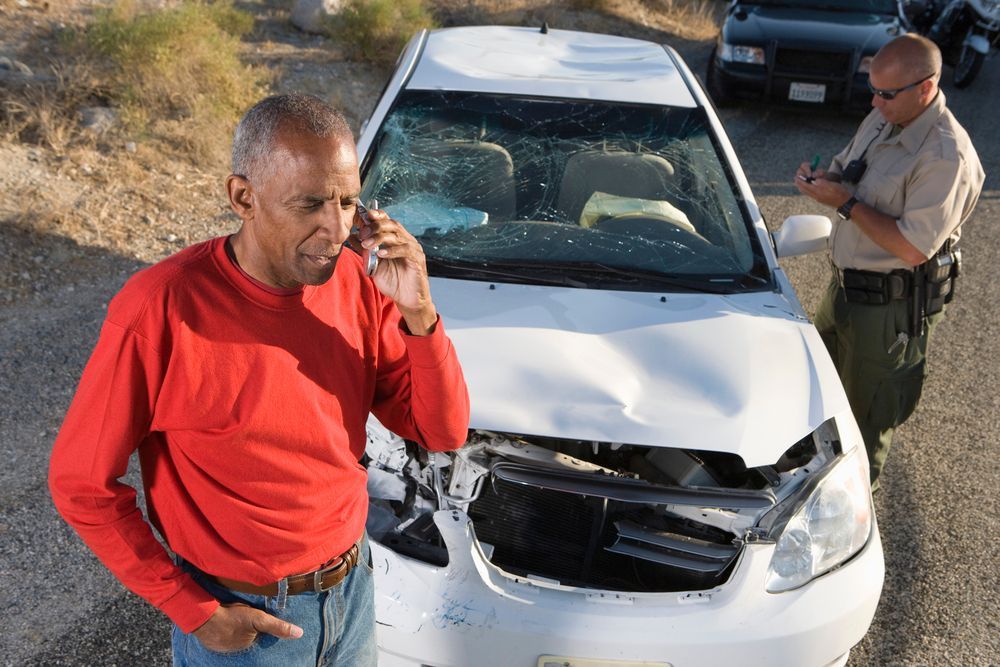
Your priority is always ensuring your safety. Check for injuries and call 911 right away to get police and medical help on the scene. Even if the accident seems minor, having an official police report is a must for any insurance claim or future legal action, especially when the other driver has no insurance.
2. Gather Evidence at the Scene
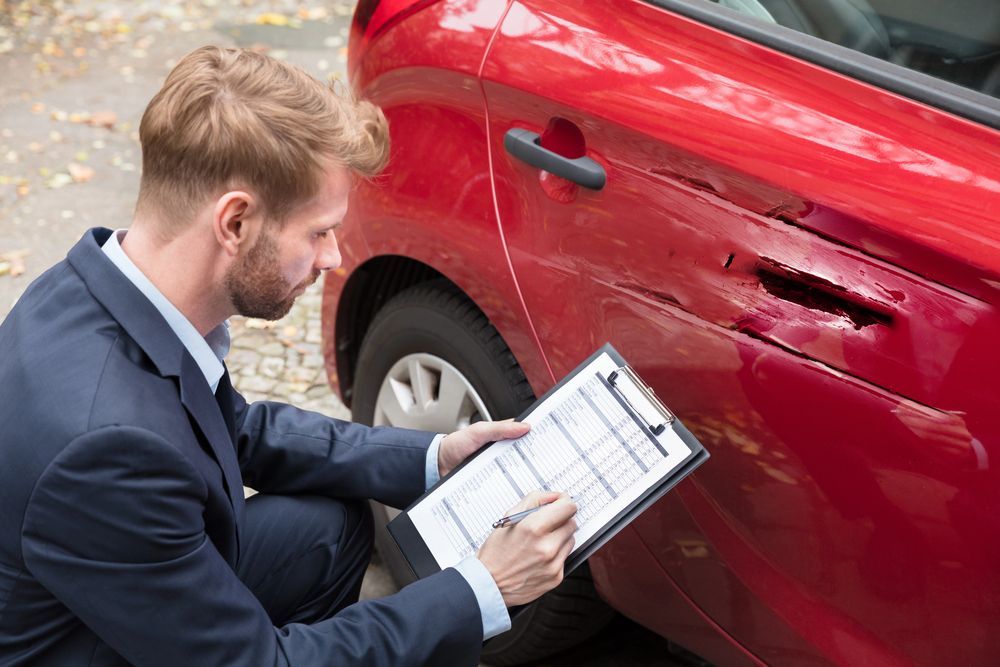
Try to collect as much information as you can before leaving the accident scene. Take photos of the vehicles, damage, skid marks, and the overall scene. Exchange information with the uninsured driver who hit you, and note the make and model of their car. Even if the other driver doesn’t have insurance, still record their details and get contact information from witnesses.
3. Notify Your Insurance Company Right Away
Call your insurance company as soon as possible to report what happened. Most insurance policies require prompt reporting. Tell your insurer the other driver was uninsured; this may trigger your Uninsured Motorist (UM) coverage if you have it.
4. Track All Medical Treatment and Expenses
Keep detailed records of everything related to your injuries and losses. Save medical bills, reports, imaging, prescriptions and physical therapy records. Keep receipts for out-of-pocket costs like medications and medical devices, and track mileage to medical appointments.
Always document missed work and any other financial losses. The better your documentation, the stronger your accident claim will be.
5. Consult a Personal Injury Lawyer
When the driver who hit you is uninsured or underinsured, recovering compensation can be complicated. A personal injury lawyer can help you understand your options, deal with the insurance company, file a UM claim and communicate with adjusters on your behalf. They can also look into the uninsured driver’s assets if a lawsuit becomes necessary.
Who Pays When the Driver Who Hit You Is Uninsured?
Legally, the at-fault driver is personally responsible for all your losses. Not having insurance doesn’t excuse them from liability. They still owe for medical bills, car repairs, lost wages and pain and suffering.
The problem is that there’s no insurance company to pay those bills on their behalf, and you can’t file a traditional liability claim. In most cases, your own insurance steps in if you have the right coverage:
- Uninsured Motorist (UM) Coverage: Pays for your medical costs, lost wages and other injury-related damages.
- Collision Coverage: Pays for your car repairs or replacement (minus your deductible).
- Uninsured Motorist Property Damage (UMPD): Helps pay for vehicle damage if your policy includes it.
- Medical Payments (MedPay): Helps with immediate medical expenses regardless of fault.
If you don’t have these optional coverages, you may have to rely on health insurance or pay costs out of pocket and then pursue the at-fault driver directly.
Can You File a Claim Against an Uninsured Driver?
Yes, you can file a claim or sue an uninsured driver. They are personally responsible for the damage they caused by hitting you. A lawsuit can result in a judgment for your medical bills, car repairs, lost income and pain and suffering.
However, many uninsured drivers may claim that they have no money or assets, which is often why they didn’t get insurance in the first place. Even if you win in court, collecting money from someone who has nothing can be extremely difficult.
Still, lawsuits can be worthwhile when the driver:
- Has a steady job (allowing wage garnishment)
- Owns property (allowing liens)
- Has bank accounts or assets that can be collected against
- Needs to clear a judgment to restore their driver’s license
Arizona may suspend an uninsured driver’s license and registration if the driver who hit you has an unpaid judgment from the crash. The suspension can stay in place until the judgment is paid or a payment agreement is approved. Talking with a lawyer can help you decide if a lawsuit is financially worthwhile and whether the driver has any reachable assets.
Do Insurance Companies Go After Uninsured Drivers?
When your insurance company pays your UM or collision claim, it can try to recover that money from the at-fault driver through a process called subrogation. This means your insurance company can:
- Demand repayment from the uninsured driver
- File a lawsuit if the driver refuses
- Get a judgment
- Use tools like wage garnishment, liens, or bank levies to collect
Insurance companies typically pursue subrogation only when the amount they paid out is significant or when the uninsured driver has income or assets that make recovery realistic. You generally don’t need to be involved in the subrogation process, as it takes place after your own claim has been resolved.
If an Uninsured Driver Hit You, Contact Sargon Law
You may need legal representation to protect your rights if an uninsured driver hits you. Sargon Law offers support that helps you understand your options and gives you direct access to the attorney handling your matter. You receive personal attention and steady guidance, which can bring a sense of relief during an overwhelming time. We take care to listen to your concerns and explain each step clearly.
If an uninsured or underinsured driver has caused you harm, reach out to Sargon Law today for a free consultation with one of our car accident attorneys. We know how to communicate with insurers, look closely at coverage and pursue the responsible party when possible. Our goal is to help ease the pressure on you so you can focus on your recovery.