While every trial is unique, most car accident lawsuits go through a series of common phases.
1. Pre-Trial Discovery
Pre-trial discovery is the information-gathering stage before the trial officially starts. Both sides (you and the other party) exchange evidence, collect documents, answer written questions, and take depositions (interviews under oath).
The
discovery process often lasts several months and can even stretch beyond a year for complex cases. The more information and disputes there are, the longer this phase can take.
2. Jury Selection
When your case
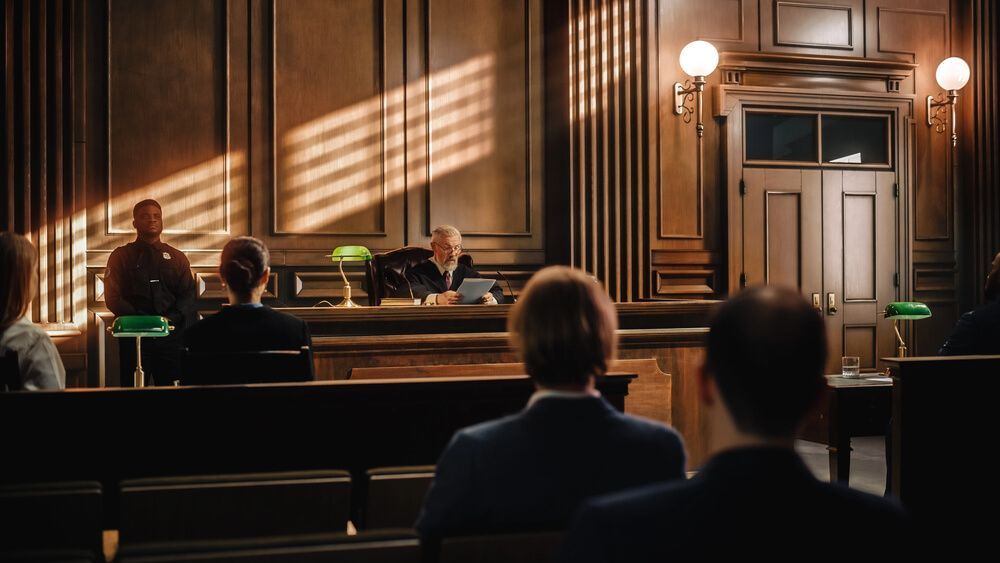
goes to court, the first step is selecting a jury. The judge and the attorneys will question a pool of potential jurors to make sure they can be fair and impartial.
In a simple case, jury selection might be over in a few hours. In a more complicated or high-profile case, picking a jury can take a full day or even several days as both sides carefully vet the jurors. The goal is to seat a jury that will listen with an open mind.
3. Opening Statements
After the jury is sworn in, each side gets to make an opening statement. Your attorney will tell the jury what you intend to prove, and the defense attorney will outline their side of the story.
Opening statements are usually brief and often limited to around an hour or less for each side. This means the opening statements phase typically fits into the first day of trial.
4. Presentation of Evidence
Presenting evidence is often the longest part of a trial. During this phase, both sides call witnesses and introduce records to explain what happened and how the injuries affected you. This is why it’s so important to
gather evidence after an accident.
Your side usually goes first, then the defense follows. A simple case may complete the evidence presentation in one or two days, but a case with many experts or complicated issues may require several days or even weeks to present all the evidence.
5. Closing Arguments
Closing arguments give each attorney a final chance to explain the evidence to the jury. Your lawyer reviews the key points that support your claim, and the defense highlights anything that helps their side. Closing arguments usually last a few hours and are often completed in one day.
6. Jury Instructions
Jury instructions are the judge’s explanation of the laws the jury must follow. The judge reviews legal definitions, what the jury must decide, and how damages should be considered. This phase often takes about an hour.
7. Jury Deliberation
Jury deliberation is a private discussion where the jurors work toward a verdict. The jury reviews the evidence and tries to agree on fault and damages. A straightforward case may lead to a decision in a few hours, while a more complicated case can require a day or two.
8. Verdict
The verdict is the jury’s final decision. Once the jury reaches an agreement, they return to the courtroom, and the judge announces the result. This step is brief, often taking only a few minutes, and explains whether the defendant is at fault and how much you should receive.
9. Post-Trial Motions or Appeals
Post-trial actions are the steps that may follow a verdict. Either side can ask the judge to change the result or request a new trial, which can take a few weeks to resolve. If someone files an appeal, the case moves to a higher court, adding six months to a year or more to the timeline.
Get Trusted Legal Representation for Your Car Accident Trial