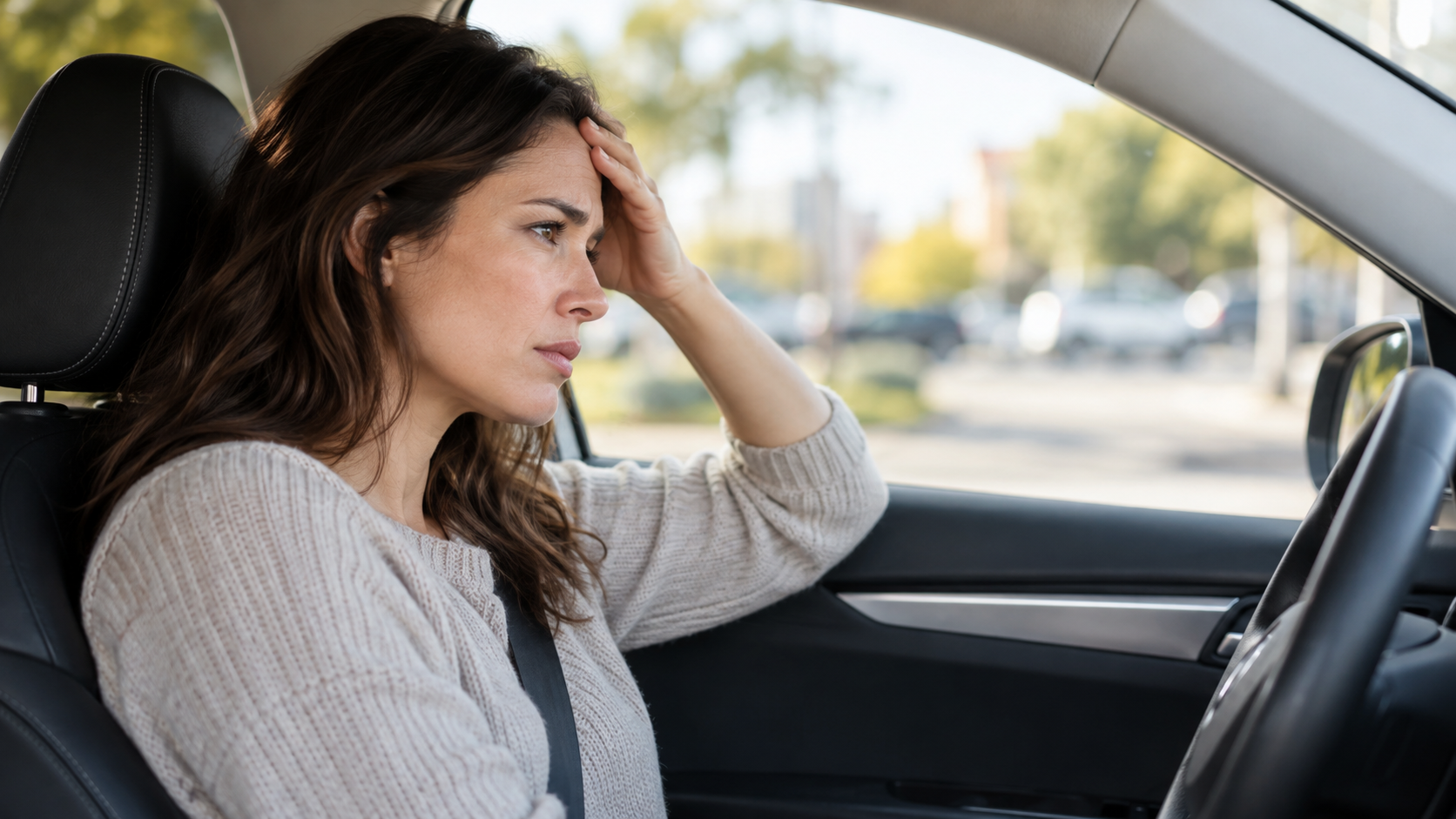
Vehicle accidents can be scary experiences, and it is crucial for individuals to be able to recover compensation for their medical bills and property damage expenses in the aftermath. However, what happens if the other drivers involved in a crash try to blame you for causing the incident?
Here, we want to discuss some steps that you can take to help prove that you were not at fault for a vehicle accident.
Gathering Evidence to Prove You Were Not At-Fault
If you are being blamed for causing an accident, or even partially causing an accident, and you are sure that you were not at fault in any way, you still need proof. Determining liability after a crash in Arizona can be challenging, and this involves gathering as much evidence as possible. Some of the evidence used to prove liability after a crash can be gathered at the scene of the incident, but only if you have not sustained severe injuries and if the accident scene is relatively safe. Some of the most important evidence that can be gathered immediately include the following:
- Photographs of vehicle damage, possible causes of the crash, debris and skid marks, traffic or weather patterns, injuries, and more.
- The name and contact information for any eyewitnesses to the incident. This could include any drivers and passengers who may have stopped at the scene to assist as well as any bystanders nearby.
If law enforcement officials come to the scene to complete an accident report, they will conduct their own investigation and write down what they think happened based on the visible evidence and driver statements. Insurance carriers rely heavily on the accident report, though this is not the “end all be all" of determining liability. The other evidence gathered, as well as additional evidence obtained in the days and weeks that follow the incident, can also influence the case.
Additional types of evidence that can be gathered after the crash occurs include video surveillance from cameras on nearby homes or businesses. If you did not cause a crash and the incident was caught on video surveillance that can be obtained and shown to the insurance carriers, this is often the concrete evidence needed to win your case.
Very soon after an accident occurs, you will have to give statements to your insurance carrier and the insurance carriers of the other drivers involved. We strongly encourage you not to go in-depth about the facts of the case, regardless of whether or not you think you caused the incident. Let the evidence and eyewitnesses guide the case with help from your
Phoenix car wreck lawyer.
Consider a Dash Cam
Many individuals are turning to
dash cams to help prove liability when accidents occur. Dash cams are legal in the state of Arizona. Individuals can purchase a variety of types of dash cams in electronics stores or through online retailers, and there are various price points, depending on the types of features the driver wants to have with their camera.
When a person has a dash cam installed and running in their vehicle, particularly if they have one in the front and rear of their car, this can provide significant evidence about what happened when a crash occurred. However, we do need a caution that dashcam footage can also be used against the person who has the camera in the vehicle. If others involved in an accident know that you have the dash cam, they could work through the court system to obtain the footage.
Contact us today for assistance from one of our expert injury lawyers in Phoenix.