Who Is Liable in a Car Pile-Up?
Recent Blog Posts
Who Is Liable in a Car Pile-Up?

How can you tell who is liable in a car pile-up when several vehicles collide within seconds? These crashes are often chaotic, leaving people injured and unsure where responsibility falls. With multiple drivers involved, it’s often unclear who is at fault, and insurance companies often dispute liability to limit what they pay. Understanding how liability is determined after a car pile-up can help you protect your rights.
What Is a Pile-Up Accident?
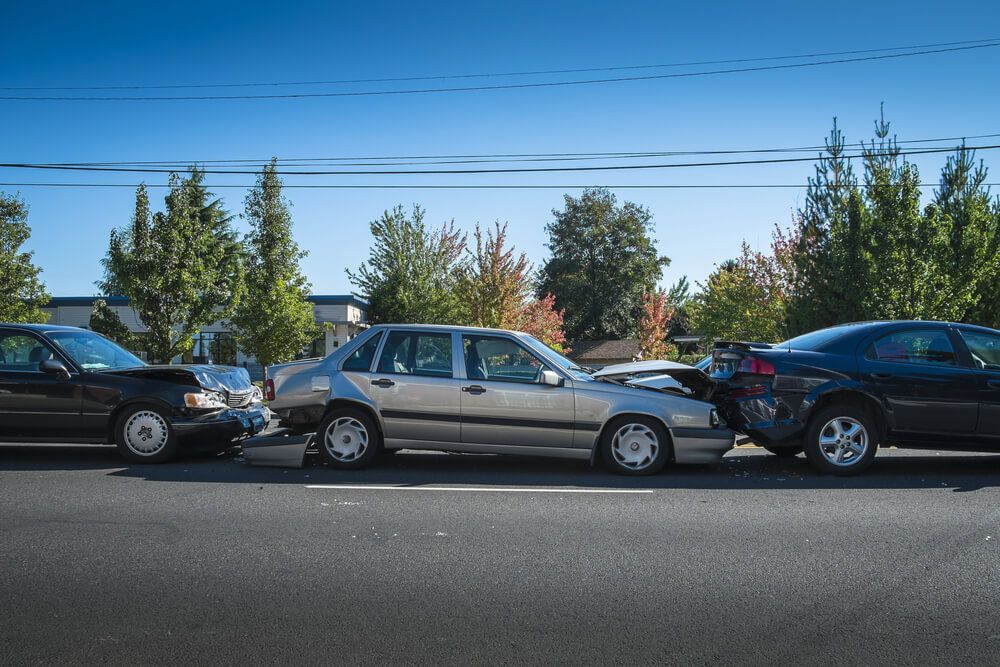
A pile-up accident is a crash involving three or more vehicles that collide in a chain reaction. These accidents often happen on highways or busy roads when traffic suddenly slows or stops and drivers behind cannot brake in time. Because multiple impacts occur, pile-ups often cause serious injuries and complicated insurance claims.
How Is Fault Determined in a Pile-Up Car Accident?
Below are the main factors used to determine fault after a pile-up accident.
Who Caused the Initial Collision
Police and insurance companies first need to determine which driver caused the initial crash. That first impact can trigger a chain reaction, especially at highway speeds. If a driver rear-ended you or made an unsafe move that started the pile-up, they may be held mainly responsible for the crashes that followed.
Whether Drivers Maintained a Safe Following Distance
In pile-up crashes, drivers who follow too closely often can’t stop in time and hit the car in front of them. However, a driver may hit the vehicle in front only because they were pushed forward after being rear-ended. In many cases, that driver would not be considered at fault for the front impact, since they were not the initial cause of the accident.
You can still dispute fault if evidence shows that the driver was following too closely or didn’t leave enough space to stop safely before they were hit. In those situations, insurers and investigators may assign partial fault.
Speed and Driver Reaction Time
Speed plays a major role in determining fault after an accident because it directly affects how quickly a driver can react. Drivers who were speeding or driving too fast for traffic conditions may be unable to stop in time once the chain reaction begins. Distracted or reckless driving can slow a driver’s reaction time, making a pile-up more likely and increasing the risk of serious injuries.
Vehicle Damage Patterns
Damage patterns help investigators understand how the pile-up unfolded and who caused each collision. Rear-end damage often indicates a failure to stop, while damage on multiple sides may show that a vehicle was struck more than once. These details help establish which drivers hit your vehicle and whether their actions caused or worsened your injuries.
Witness Statements and Video Evidence
Witness statements and video evidence are especially important in pile-up accident cases. Eyewitnesses can describe unsafe driving behaviors they saw before the chain reaction began. Traffic camera and dashcam footage can show who caused the pile-up and how it happened, which helps prove liability when insurance companies dispute fault.
Holding the Right Parties Liable After a Car Pile-Up Accident
When you are injured in a pile-up accident, determining who is liable is key to knowing who must pay for your medical care, lost income, and other damages. Because several drivers are often involved, insurance companies frequently try to shift blame to limit what they pay.
At Sargon Law Group, we fight back against these tactics. We step in to protect you by investigating how the crash happened and identifying every driver who may be responsible.
If you were injured in a multi-vehicle crash, don’t wait to take action. Contact Sargon Law Group today to schedule a free consultation with an experienced car accident attorney and take a step toward protecting your rights.